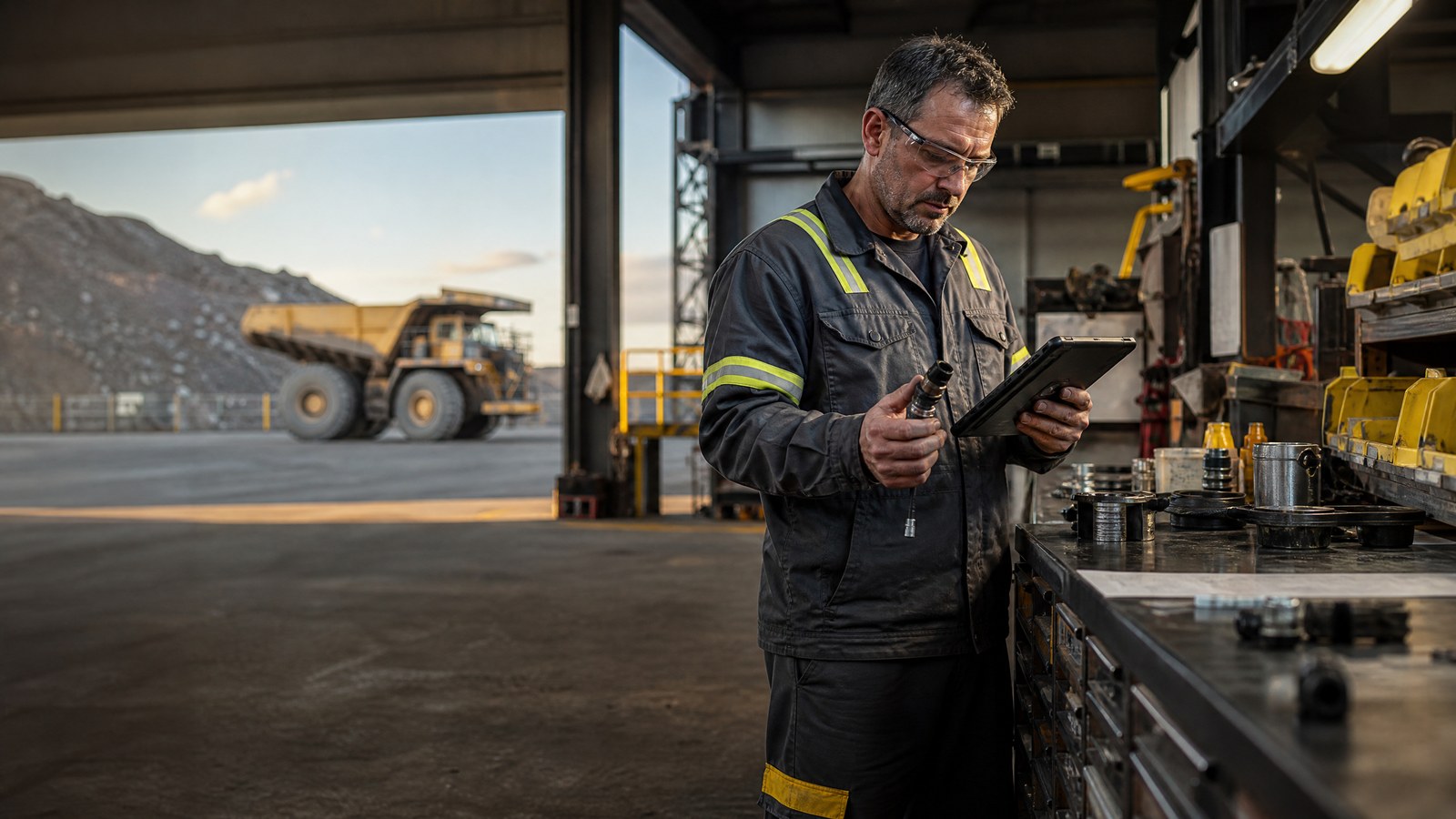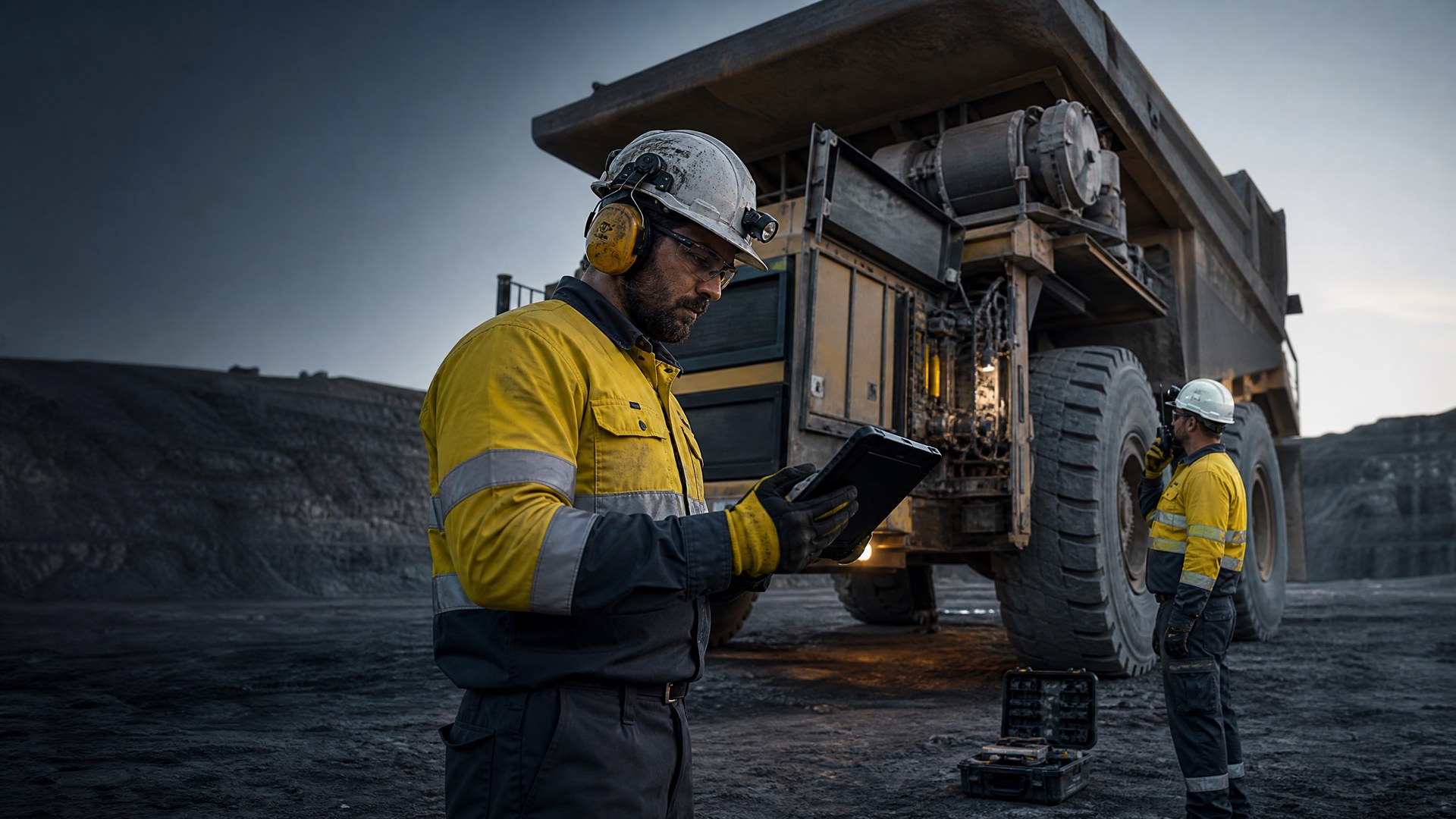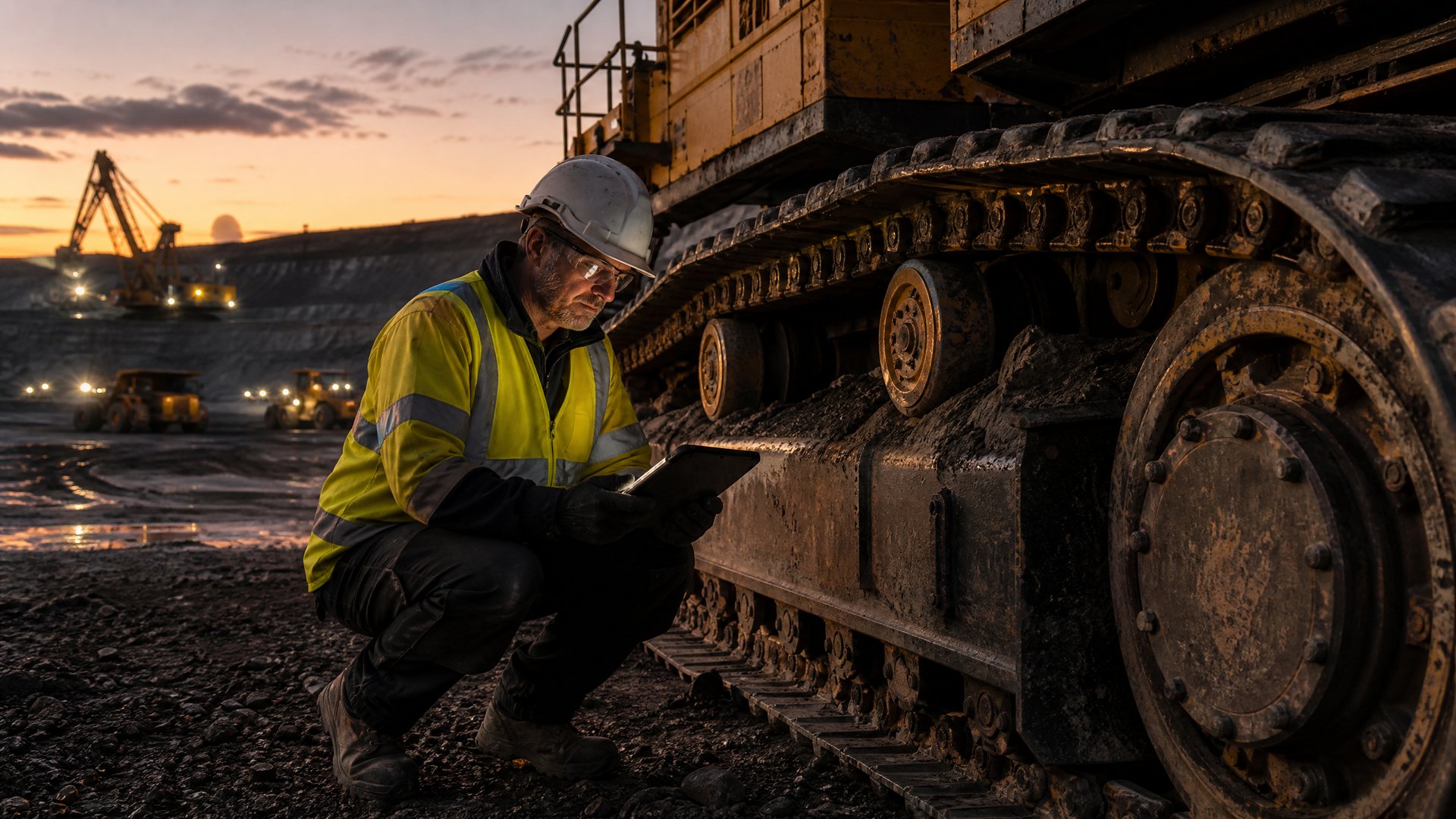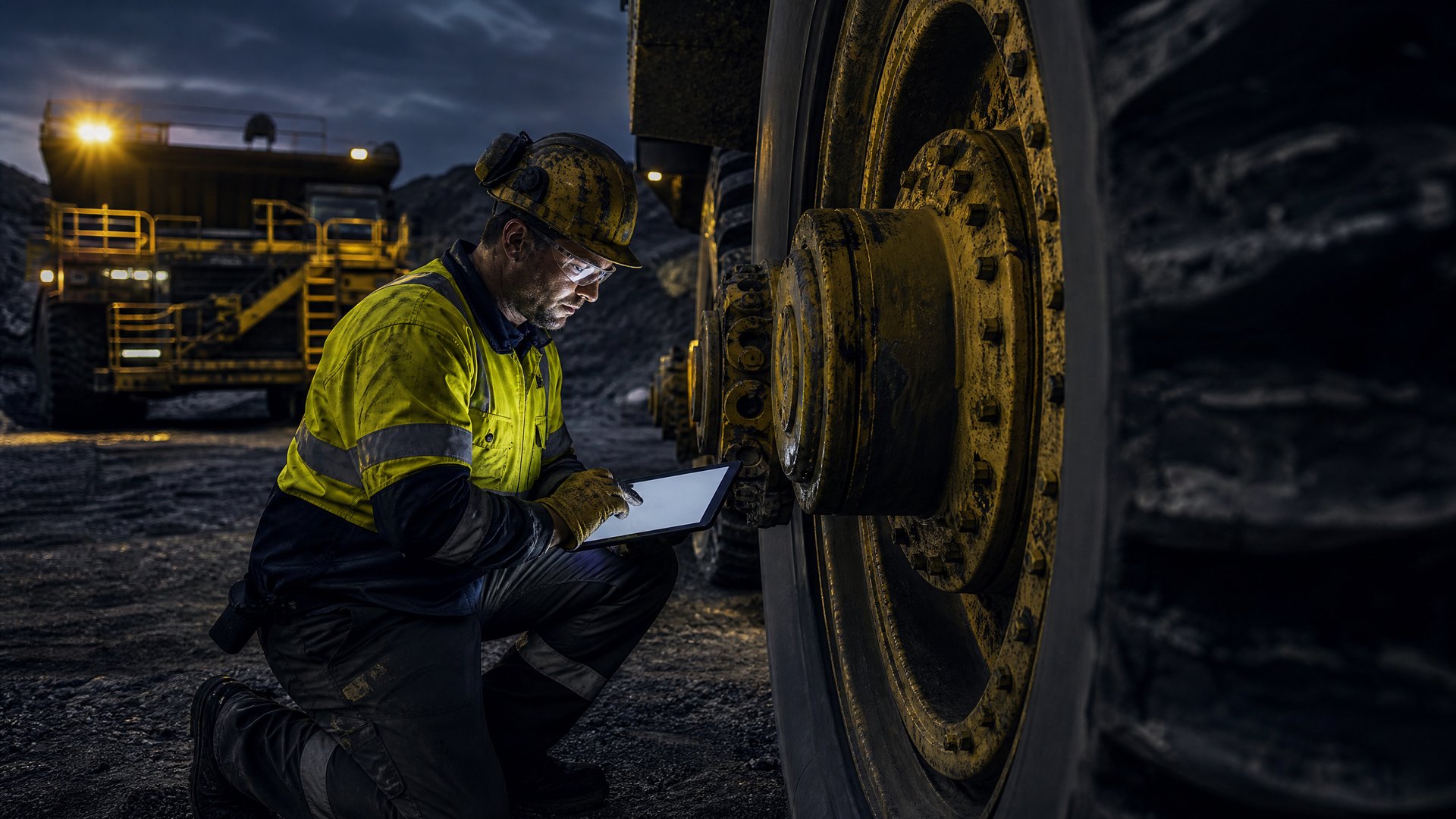

AI-driven knowledge retrieval is transforming how mining and construction workers access technical Information, cutting downtime and preserving expertise.
The High Cost of Waiting for Answers
In heavy industry, machine downtime is measured not just in hours, but in thousands of dollars of lost productivity. When a critical piece of equipment fails on a remote mine site or a major construction project, the clock starts ticking. Traditionally, operators and maintenance crews have relied on bulky, static manuals or word-of-mouth to troubleshoot complex issues. However, these methods are often slow, inefficient, and prone to error. The reality is that waiting for answers is a luxury that modern industrial operations simply cannot afford.
The challenge is compounded by the sheer complexity of modern machinery. Today's heavy equipment is a marvel of engineering, packed with sensors, electronic control units, and intricate hydraulic systems. Diagnosing a fault requires not just mechanical intuition, but access to specific, up-to-date technical information. When that information is buried in a 500-page PDF or locked in the head of a senior technician who is off-shift, the entire operation grinds to a halt.
Moving Beyond the Static Manual
For decades, the standard operating procedure has been to consult the OEM manual. While these documents are comprehensive, they are rarely designed for quick retrieval in high-stress situations. A technician might spend precious hours searching for the correct schematic or fault code interpretation. Furthermore, manuals often fail to capture the nuances of real-world operation—the "hard-won frontline knowledge" that experienced crews develop over years of working with specific machines in specific environments.
This is where AI-driven knowledge retrieval systems, like DOCS AI, are changing the game. By ingesting vast amounts of technical documentation and pairing it with natural language processing, these systems allow workers to ask direct questions and receive immediate, context-aware answers. Instead of navigating a complex index, a technician can simply ask, "What does fault code E-45 mean on the CAT 793F, and what is the standard fix?" and receive a precise, actionable response in seconds.
The Impact of Instant Access
The transition from manual searching to AI-driven retrieval has a profound impact on operational efficiency. By drastically reducing the Mean Time to Repair (MTTR), organisations can recover thousands of hours of lost productivity annually. This shift is not just about speed; it is also about accuracy and safety. When workers have instant access to the correct procedures, they are less likely to rely on guesswork or unsafe workarounds.
| Traditional Method | AI-Driven Retrieval | Operational Impact |
|---|---|---|
| Manual search through PDFs or paper documents | Natural language queries with instant answers | Significant reduction in diagnostic time |
| Reliance on senior staff availability | Institutional knowledge accessible 24/7 | Democratisation of expertise across the workforce |
| Risk of outdated or incorrect information | Centralised, up-to-date knowledge base | Improved safety and compliance |
Capturing Institutional Knowledge
Perhaps the most significant advantage of AI-driven platforms is their ability to capture and proceduralise institutional knowledge. Every time a complex issue is resolved, the solution can be fed back into the system, enriching the knowledge base for future use. This creates a compounding effect, where the collective intelligence of the workforce grows stronger over time. In an industry facing an ageing workforce and a shortage of skilled labour, this capability is invaluable.
"The true value of AI on the frontline is not just in answering questions, but in capturing the hard-won insights of experienced operators and making them available to the entire crew."
By transforming undocumented fixes into structured, queryable data, organisations can protect themselves against the loss of expertise when senior staff retire or move on. This ensures that the "tricks of the trade" are preserved and disseminated, elevating the baseline competency of the entire team.
The Future of Frontline Operations
As heavy industry continues to embrace digital transformation, AI-powered knowledge networks will become an indispensable tool. The focus is shifting from simply providing access to documents, to delivering actionable intelligence at the point of need. By empowering frontline workers with instant, accurate information, companies can minimise downtime, enhance safety, and drive measurable ROI.
The era of the static manual is coming to an end. The future belongs to connected, intelligent systems that bridge the gap between official documentation and real-world experience. For mining and construction companies looking to maintain a competitive edge, investing in AI-driven knowledge retrieval is no longer optional—it is a strategic imperative.