
Undocumented field modifications create safety risks, void warranties and skew maintenance data. Here’s how to turn frontline ingenuity into a business asset.
The Hidden Tax of Undocumented Field Modifications on Heavy Machinery
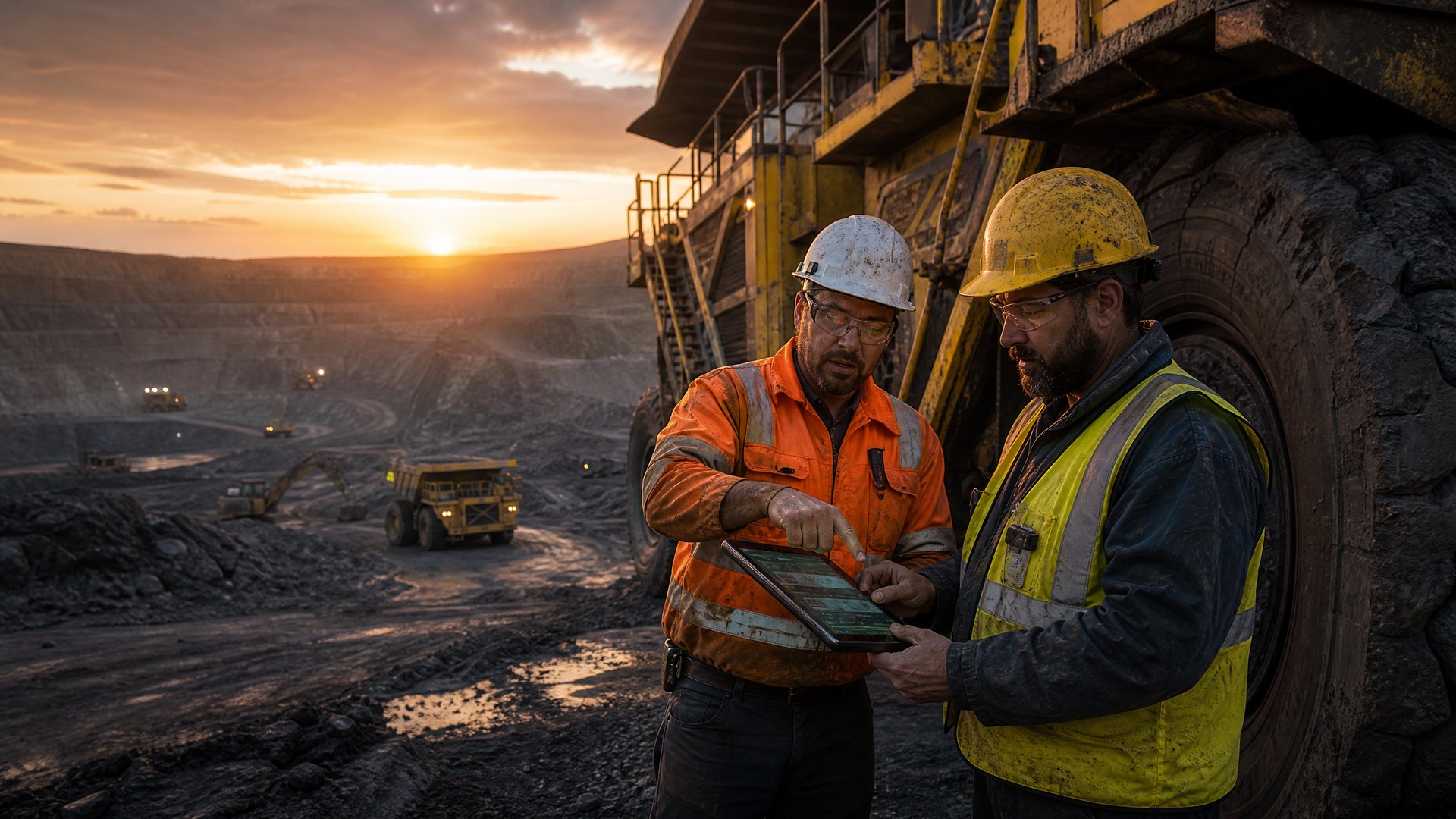
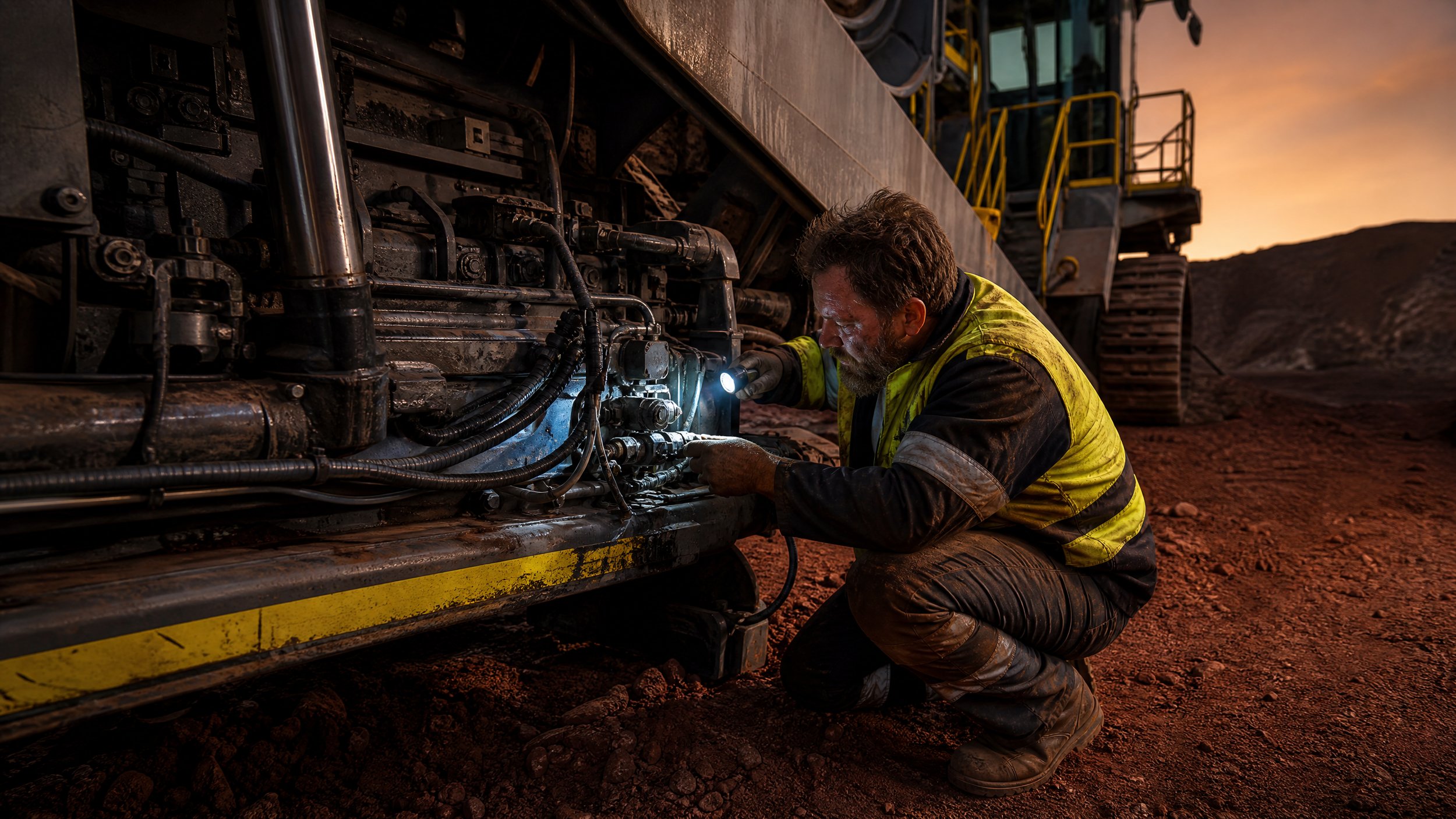
Every day across mining and construction sites globally, equipment operators and maintenance crews make subtle adjustments to their machinery. A slightly modified bracket to prevent vibration, a custom sequence for starting up in sub-zero temperatures, or a non-standard hydraulic routing that bypasses a known flaw in an OEM design. These field modifications are born of necessity, forged in the harsh realities of production pressure and environmental extremes. They are the hallmark of an experienced, resourceful workforce.
Yet, while these modifications often keep operations running, they carry a hidden tax. When this hard-won, frontline knowledge remains undocumented—living only in the heads of a few seasoned operators—it creates a cascading series of risks and inefficiencies that directly impact the bottom line. This is not merely an issue of poor record-keeping; it is a fundamental failure to capture and proceduralise high-value operational data.
The Cost of Silent Modifications
The primary issue with undocumented field modifications is that they break the assumed standardisation of a fleet. When an enterprise purchases ten identical excavators, the expectation is that they operate, fail, and require maintenance in exactly the same way. The OEM manual is treated as the single source of truth. However, the reality on the ground is that each machine develops its own idiosyncrasies, often influenced by the specific modifications made by its operators.
When a machine breaks down and the maintenance crew arrives, they are diagnosing an issue based on the standard OEM documentation. If the machine has been modified without record, the diagnostic process is immediately compromised. Hours are wasted tracing faults through systems that no longer match the schematic. This extended downtime is the most immediate and visible cost of undocumented modifications.
"When standard procedures fail to account for field realities, the resulting diagnostic delays can cost tens of thousands of dollars per hour in lost production."
Furthermore, there is a significant safety risk. A modification that makes sense to one operator might be completely unknown to the next shift. If a custom workaround bypasses a standard safety interlock or alters the machine's handling characteristics, the incoming operator is stepping into an unpredictable environment. The lack of shared knowledge transforms a clever fix into a potential hazard.
The Impact on Warranty and Lifecycle Management
Beyond immediate operational delays, undocumented modifications wreak havoc on long-term asset management. OEM warranties are strictly contingent on the machine being operated and maintained according to factory specifications. When field modifications are discovered during a major warranty claim, the claim is often voided, leaving the enterprise liable for hundreds of thousands of dollars in repair costs.
Consider the impact on lifecycle planning. Predictive maintenance models rely on accurate, consistent data regarding component wear and failure rates. If a fleet is operating with undocumented modifications that alter these rates, the predictive models become fundamentally flawed. Parts are ordered too late, or replaced too early, leading to unnecessary expenditure and unexpected breakdowns.
Impact AreaThe Hidden Cost of Undocumented ModificationsMaintenance EfficiencyIncreased diagnostic time due to discrepancies between OEM manuals and actual machine configuration.Operational SafetyUnpredictable machine behaviour for operators unaware of custom workarounds or bypassed interlocks.Warranty ClaimsHigh risk of voided warranties when OEMs discover non-standard modifications during major failure investigations.Predictive AnalyticsFlawed data inputs leading to inaccurate lifecycle planning and inefficient parts procurement.
Proceduralising the Frontline Fix
The solution is not to ban field modifications. In many cases, these frontline fixes are superior to the standard OEM procedures, specifically tailored to the unique challenges of a particular site. The goal must be to capture, validate, and proceduralise this knowledge.
This is where the concept of Knowledge as a Business Asset becomes critical. Enterprises must implement systems that make it easy for operators to document their modifications in real-time. This cannot be a cumbersome administrative task; it must be seamlessly integrated into their daily workflow.
By leveraging AI-powered knowledge networks, organisations can capture these frontline insights, validate them against engineering standards, and distribute them across the entire fleet. A custom hydraulic routing discovered by a mechanic in the Pilbara can be instantly evaluated and, if proven effective, integrated into the standard operating procedures for identical machines globally.
Transforming Liability into Intelligence
The transition from undocumented workarounds to a structured enterprise knowledge graph represents a significant competitive advantage. It shifts the organisation from a reactive posture—constantly fighting fires caused by unknown machine configurations—to a proactive stance where frontline ingenuity is systematically harnessed to improve fleet reliability.
The hard-won knowledge of your operators and maintenance crews is your most valuable asset. But as long as it remains undocumented, it is also your greatest hidden liability. By investing in the tools and processes required to capture and proceduralise this intelligence, heavy industry can finally eliminate the hidden tax of silent modifications and unlock the true potential of their workforce.