
Heavy industry still defaults to reactive maintenance, but predictive intelligence is here. See how knowledge graphs and AI help frontline teams anticipate failures early.
The Shift From Reactive Repairs to Predictive Intelligence on the Frontline
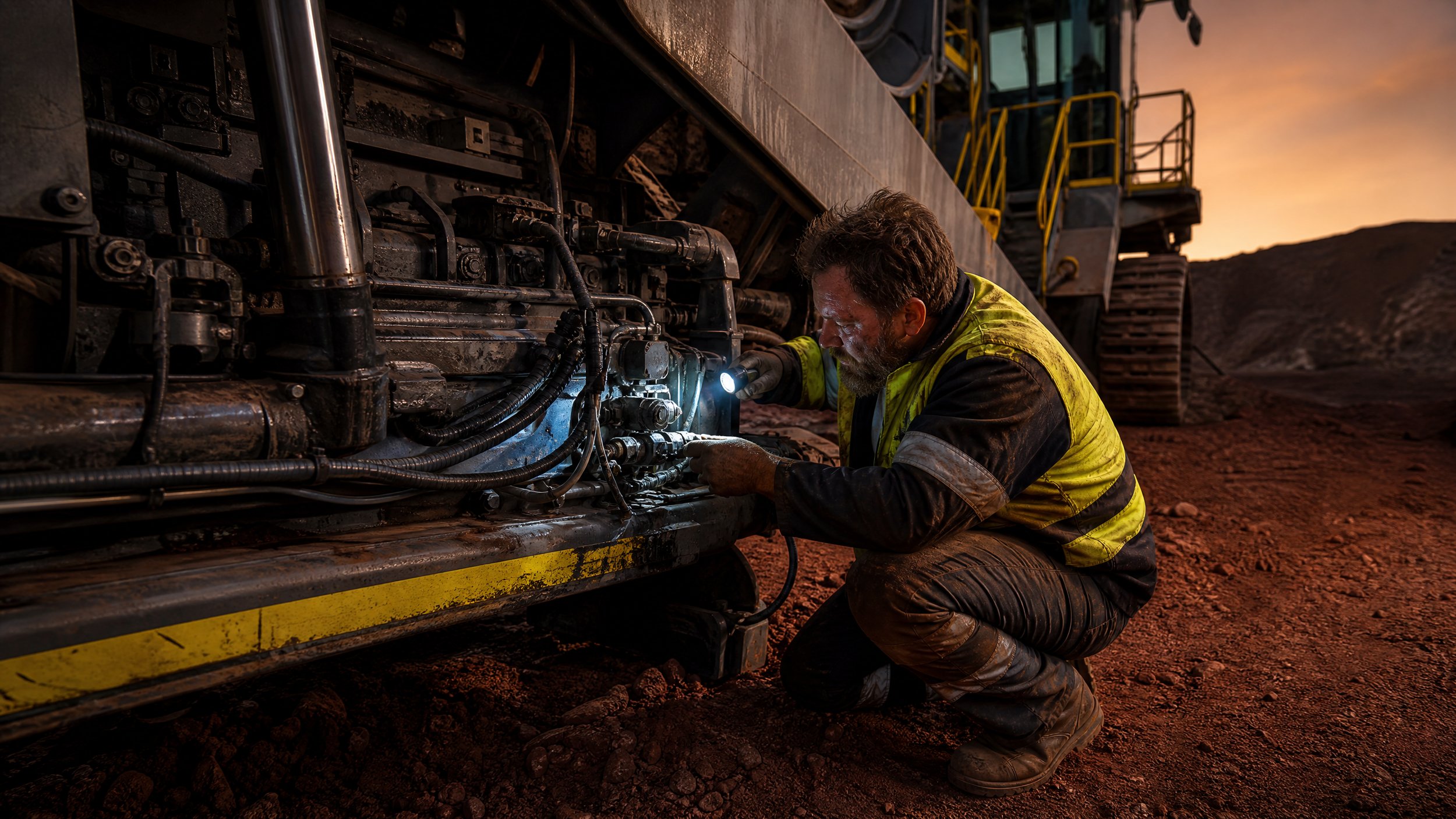
In heavy industry, the standard approach to equipment maintenance has historically been reactive. A machine breaks down, an operator reports the fault, and a maintenance team is dispatched to diagnose and repair the issue. This cycle, while familiar, is inherently inefficient and costly. When a critical asset—be it an excavator on a mine site or a bulldozer in a construction zone—goes offline unexpectedly, the financial impact extends far beyond the repair costs. The real loss is measured in downtime, delayed schedules, and lost productivity.
However, the paradigm is shifting. The focus is moving from merely fixing what is broken to anticipating failures before they occur. This evolution is driven by the recognition that the vast amounts of data generated by modern machinery, combined with the hard-won insights of frontline operators, represent a massive, untapped resource. By harnessing this data and transforming it into predictive intelligence, enterprises can significantly reduce downtime and optimise their operations.
The Limitations of the Status Quo
Traditional maintenance strategies often rely heavily on OEM manuals and scheduled servicing intervals. While these are important baselines, they fail to account for the harsh, unpredictable realities of the job site. Standard operating procedures (SOPs) are designed for ideal conditions, but frontline operations rarely occur in a vacuum.
"Every day, heavy industry pays an invisible tax when undocumented frontline knowledge is lost. The gap between the official manual and the reality on the ground is where downtime thrives."
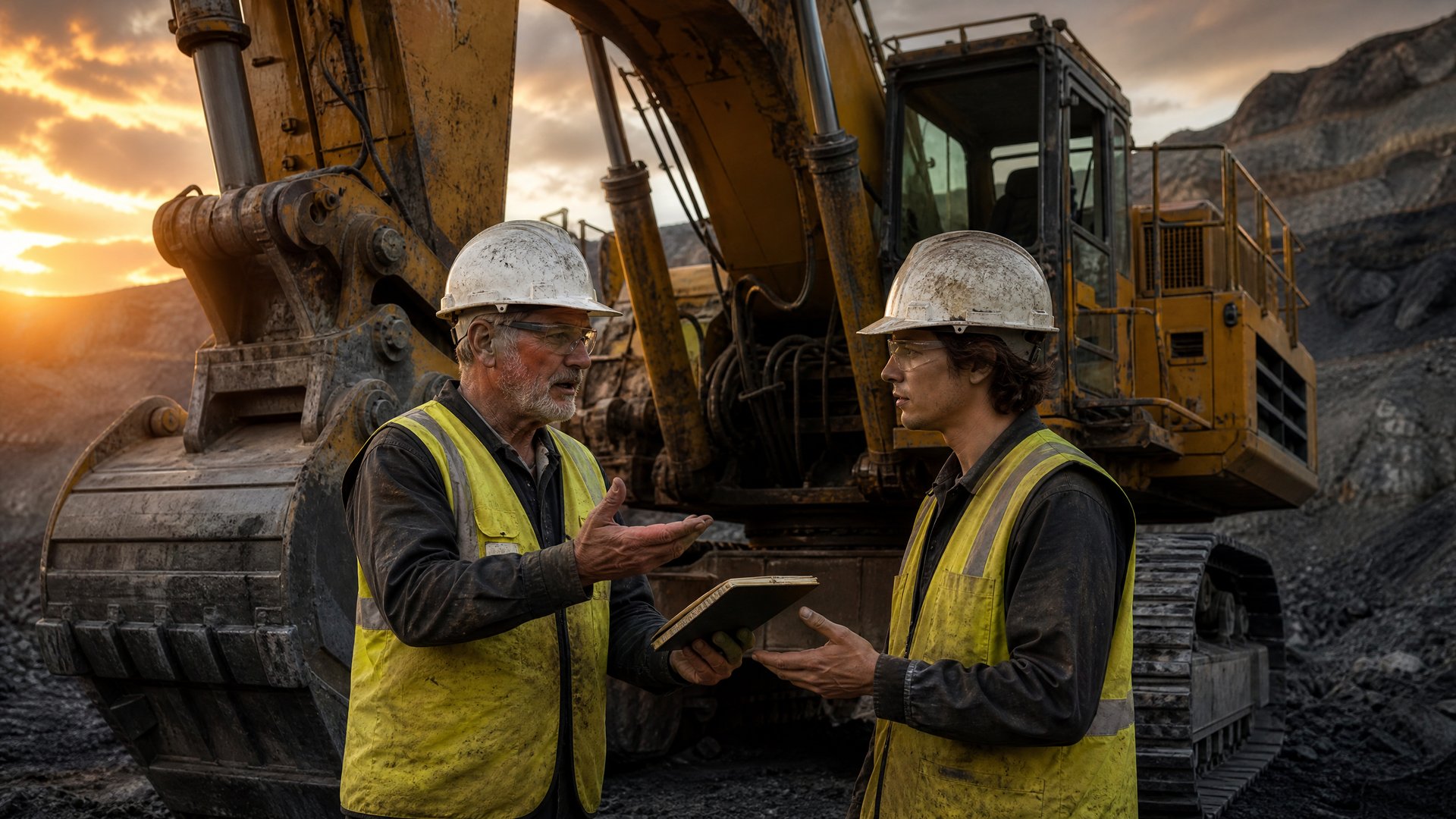
Furthermore, critical maintenance data is frequently siloed. Information about previous repairs, specific machine quirks, and environmental factors is often scattered across different systems or locked within the minds of experienced personnel. When these experts retire or move on, their knowledge leaves with them, forcing new operators and maintainers to relearn the same lessons the hard way.
The Role of the Enterprise Knowledge Graph
To move towards predictive intelligence, organisations must break down these information silos and create a unified, accessible repository of knowledge. This is where the concept of an Enterprise Knowledge Graph becomes crucial. A knowledge graph connects disparate data points—maintenance logs, operator reports, sensor data, and OEM specifications—into a coherent, queryable network.
By mapping the relationships between these different elements, a knowledge graph enables a deeper understanding of asset health and performance. It allows teams to identify patterns and correlations that would otherwise remain hidden. For example, a knowledge graph might reveal that a specific type of component failure frequently occurs after a certain number of operating hours in high-dust environments. This insight allows maintenance teams to proactively replace the component before it fails, preventing a costly breakdown.
Empowering the Frontline with AI
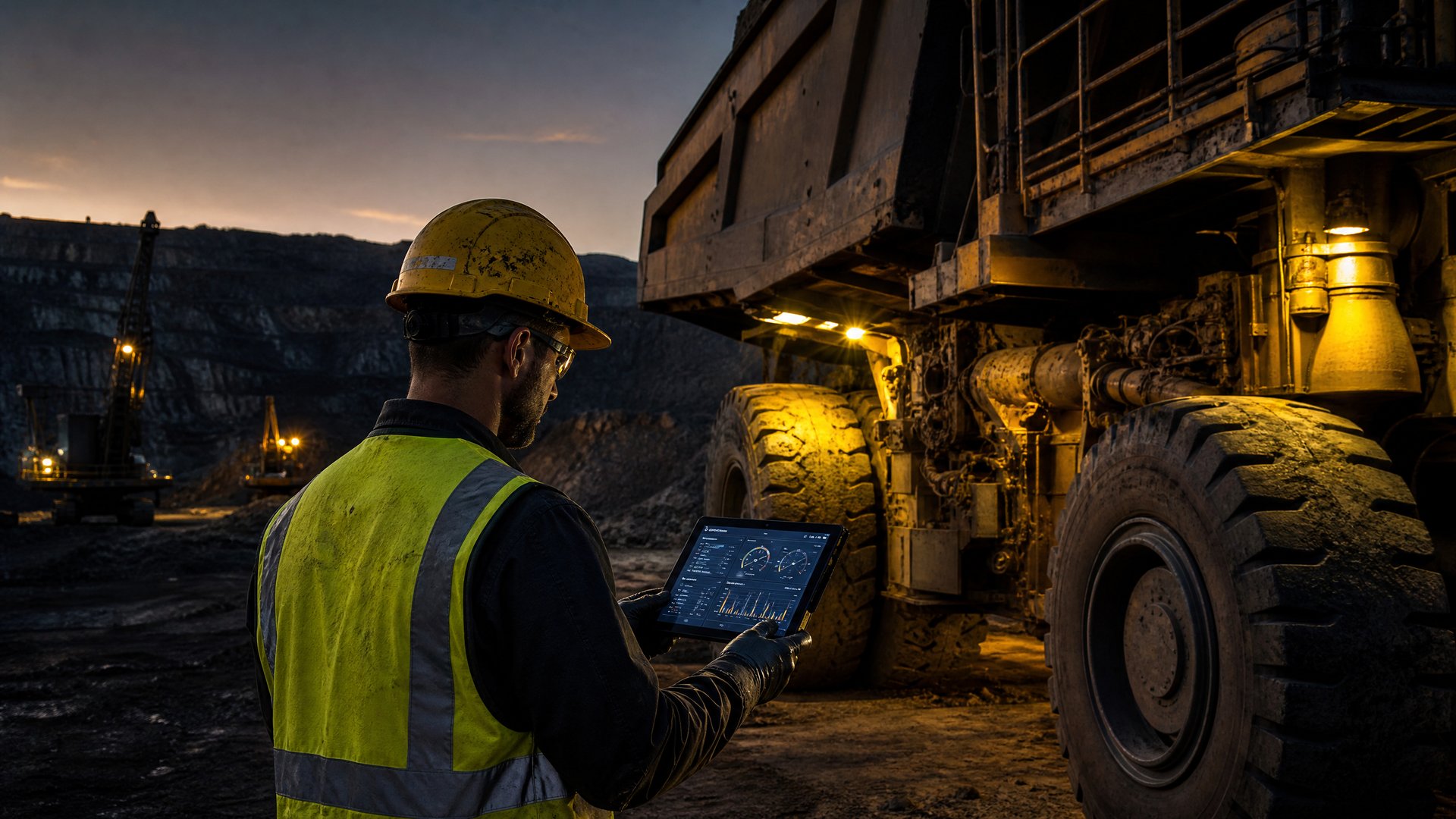
The true power of an Enterprise Knowledge Graph is unlocked when it is combined with advanced AI, such as DOCS AI. AI acts as the interface between the complex data structure and the frontline worker, translating raw information into actionable intelligence.
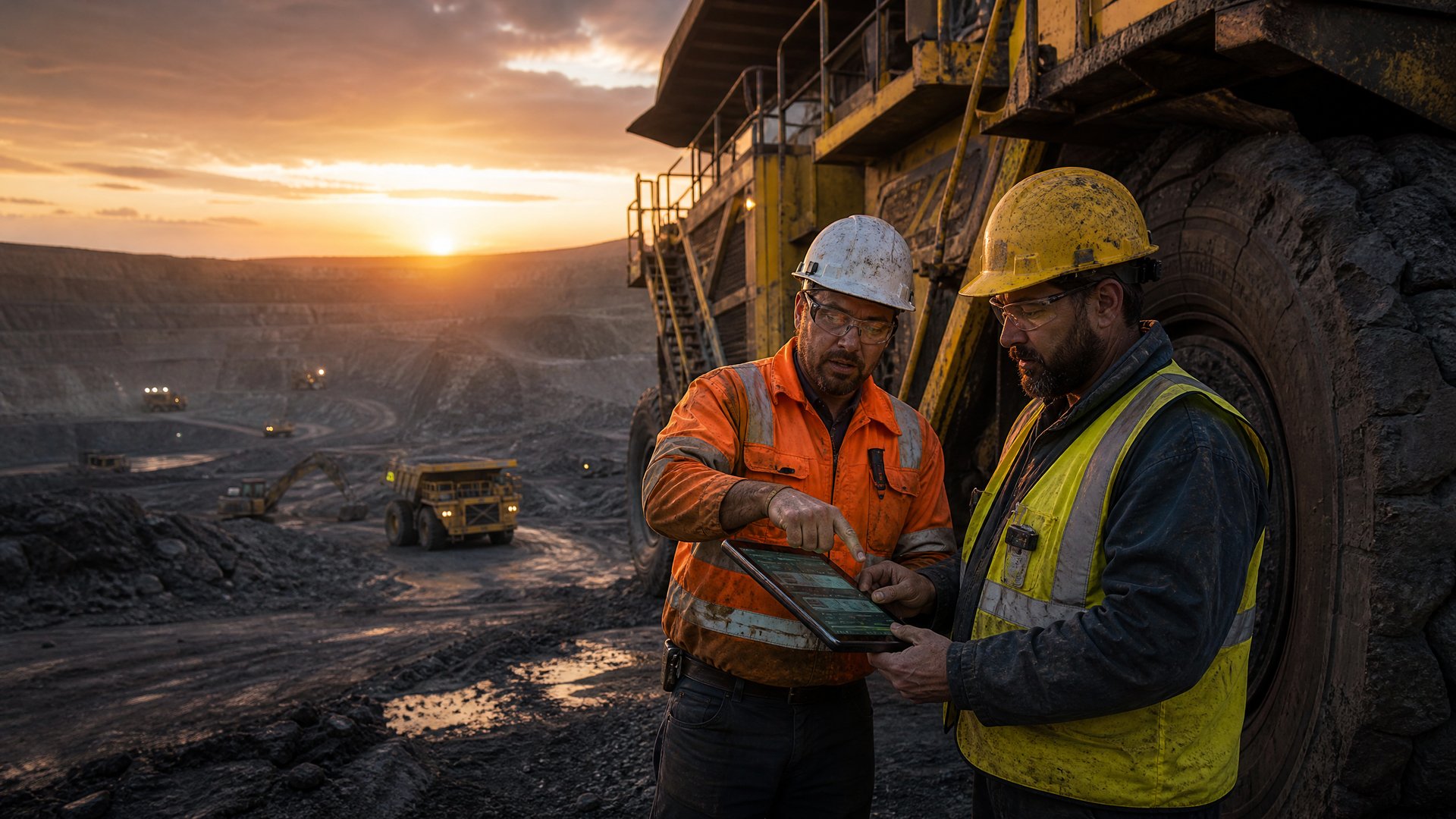
When an operator encounters an issue, they don't need to sift through hundreds of pages of technical documentation. Instead, they can query the AI, which instantly retrieves the most relevant information, synthesised from both official manuals and the collective experience of the workforce. This rapid access to targeted knowledge significantly accelerates the troubleshooting process.
ApproachCharacteristicsImpact on DowntimeReactive MaintenanceFix-it-when-it-breaks mentality, reliance on static manuals, siloed information.High. Unexpected failures lead to significant operational delays.Preventative MaintenanceSchedule-based servicing, adherence to OEM guidelines.Moderate. Reduces unexpected failures but may result in unnecessary maintenance.Predictive IntelligenceData-driven insights, connected knowledge graphs, AI-powered retrieval.Low. Anticipates failures, optimises maintenance schedules, and empowers frontline workers.
Building a Culture of Continuous Improvement
Implementing predictive intelligence is not just a technological upgrade; it requires a cultural shift. It demands a commitment to capturing and sharing knowledge across the organisation. Every repair, every workaround, and every near-miss must be documented and integrated into the knowledge graph.
This process of continuous learning and improvement is what transforms raw data into a strategic business asset. By equipping frontline teams with the tools they need to access and contribute to this collective intelligence, enterprises can build more resilient, efficient, and profitable operations.
The transition from reactive repairs to predictive intelligence is no longer optional for heavy industry. It is a necessary evolution to remain competitive in an increasingly complex and demanding environment. By embracing the power of connected data and AI, organisations can ensure that their most valuable assets—both human and mechanical—are operating at their peak potential.