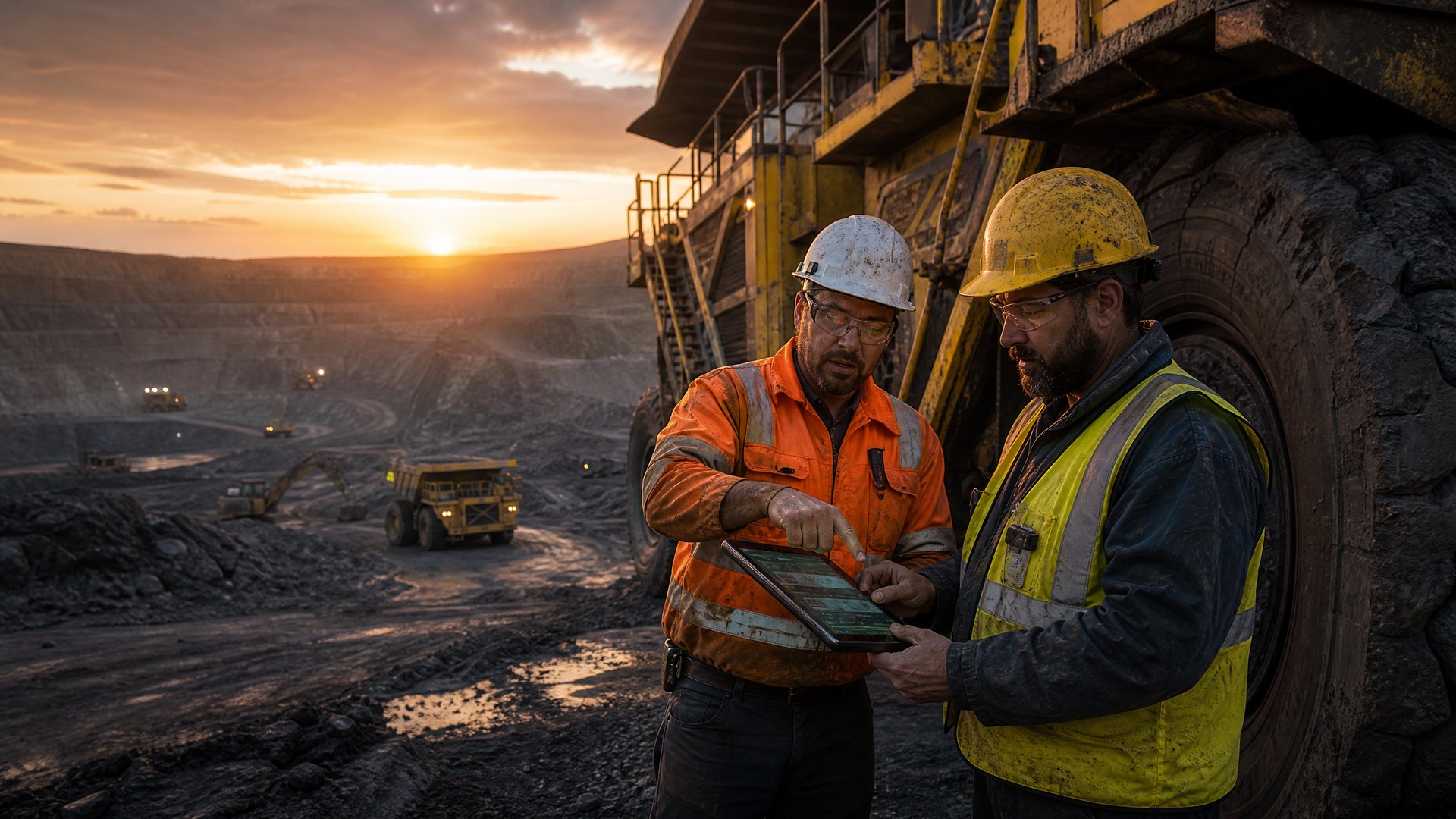
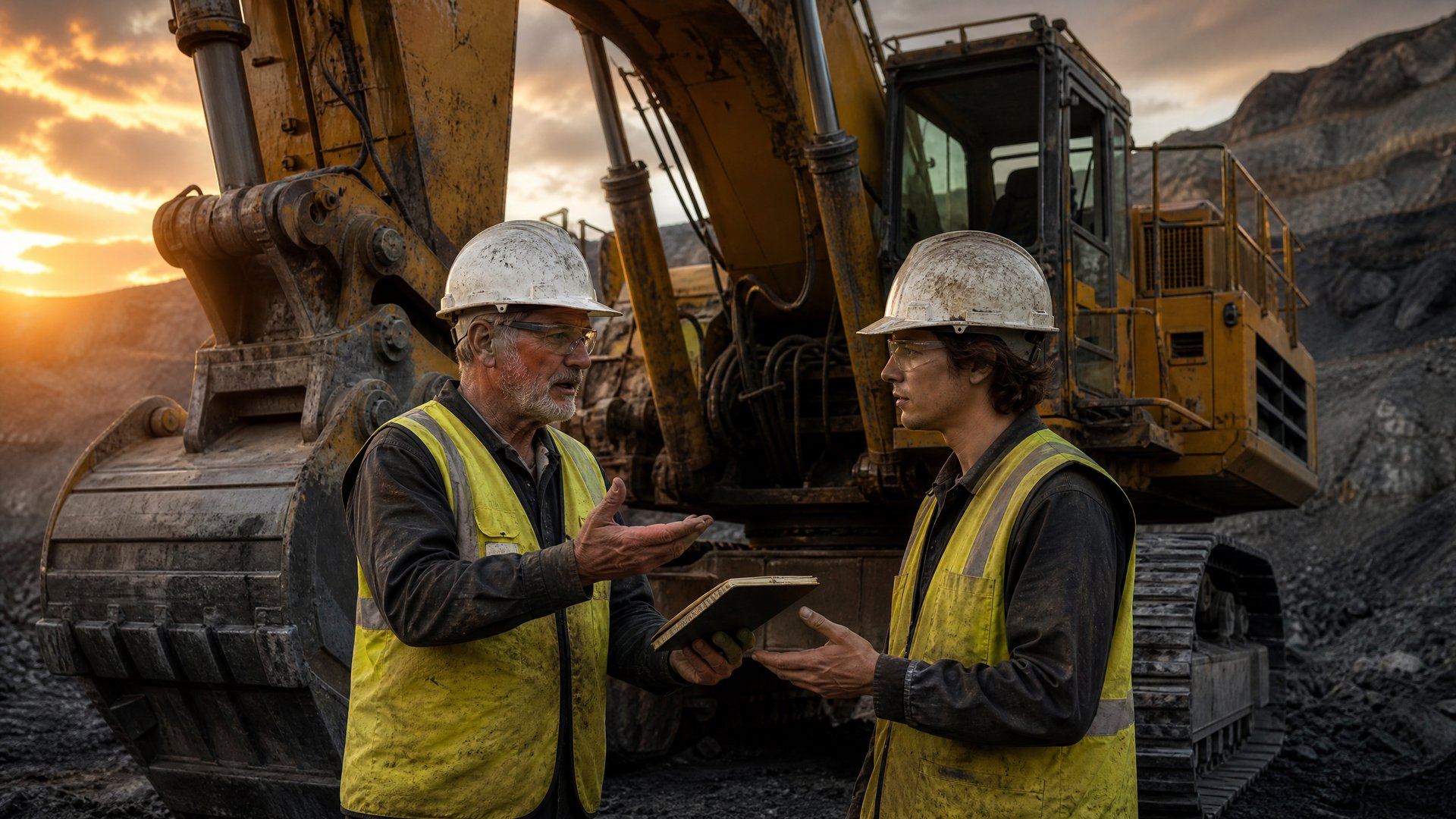
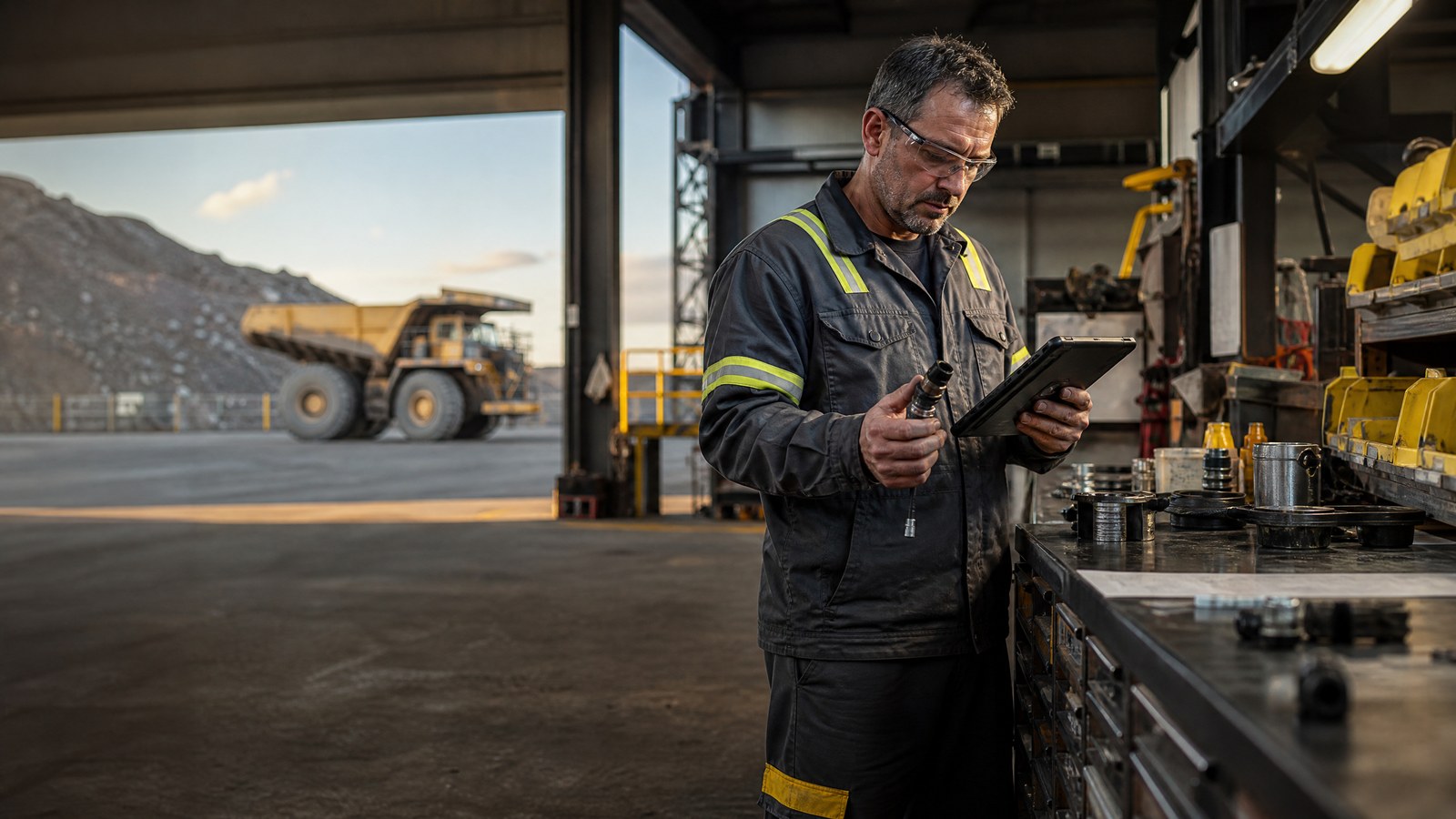
_converted(3).jpeg)

Static PDF manuals are failing frontline operators in mining and construction. AI
The AI-Powered Frontline: Moving Beyond the PDF Manual
For decades, the heavy equipment industry has relied on a broken system for knowledge transfer: the static PDF manual. Whether you are operating a 400-ton haul truck in a Pilbara iron ore mine or managing a fleet of excavators on a major urban construction site, the reality is the same. When a machine throws an obscure error code or behaves unpredictably, the answers are buried in hundreds of pages of technical jargon that no operator has the time to read.
This reliance on static documents creates a massive bottleneck. It forces operators to rely on trial and error, radio calls to busy supervisors, or waiting for a mechanic to arrive. The result? Unnecessary downtime, compromised safety, and millions of dollars in lost productivity. But the frontline is changing. Artificial Intelligence, specifically tools like DOCS AI, is transforming how operators interact with machine knowledge, turning static manuals into dynamic, conversational assets.
The Problem with Static Knowledge in Dynamic Environments
Mining and construction are inherently dynamic environments. Conditions change by the minute, and equipment is pushed to its limits. In these high-stakes scenarios, information must be immediate and contextual. A PDF manual is neither.
"The frontline doesn't need a 500-page document; they need the exact three sentences that solve the problem in front of them right now."
Consider a common scenario in civil construction: an operator is using a grader to finish a road surface, and the blade control system starts lagging. The manual might have a troubleshooting section, but it requires the operator to stop work, navigate a clunky interface on a tablet (if they have one), and decipher complex schematics. Most operators won't bother. They will either try to work through the lag—risking the quality of the finish—or stop entirely and call for help.
The same applies in mining. If a continuous miner in an underground coal operation experiences a sudden drop in hydraulic pressure, the operator needs immediate guidance. A static manual cannot ask clarifying questions or provide step-by-step diagnostic procedures based on the specific symptoms.
How AI Transforms Frontline Operations
AI-powered knowledge networks change the paradigm from search to conversation. Instead of hunting for information, operators can simply ask a question in plain English (or their native language) and receive a precise, context-aware answer.
Here is how this shift impacts daily operations:
| Traditional Approach (Static Manuals) | AI-Powered Approach (DOCS AI) |
|---|---|
| Keyword search yields dozens of irrelevant pages. | Natural language query delivers the exact solution. |
| Information is generic and lacks context. | Answers are tailored to the specific machine and situation. |
| Requires stopping work to read and interpret. | Conversational interface allows for quick, on-the-fly troubleshooting. |
| Knowledge remains siloed in documents. | The system learns from interactions, improving future responses. |
Real-World Impact: Mining and Construction Scenarios
The value of an AI-powered frontline is best understood through practical application.
Scenario 1: The Construction Site Excavator
An operator on a commercial building site notices that their excavator's swing motor is running unusually hot. Instead of digging through a PDF, they use an AI interface: "My swing motor is running hot, and there's a slight whining noise when I rotate left. What should I check first?"
The AI instantly cross-references the machine's manual, maintenance bulletins, and historical data to provide a prioritized checklist: 1) Check hydraulic fluid levels, 2) Inspect the swing motor relief valve for debris, 3) Verify the swing brake is fully disengaging. This immediate, actionable advice prevents a catastrophic failure and keeps the project on schedule.
Scenario 2: The Mining Haul Truck
A haul truck operator in an open-pit mine receives an unfamiliar fault code on their display. They ask the AI: "What does fault code E-402 mean on a Cat 793F, and is it safe to drive to the maintenance bay?"
The AI immediately identifies the code as a minor sensor issue related to the exhaust system, confirms it is safe to drive, and logs the issue for the maintenance team. The operator avoids an unnecessary shutdown in the pit, saving thousands of dollars in lost production time.
The Future is Conversational
The transition from static manuals to AI-powered knowledge networks is not just a technological upgrade; it is a fundamental shift in how heavy industry operates. By empowering the frontline with immediate, conversational access to critical information, companies can drastically reduce downtime, improve safety, and unlock new levels of productivity.
The knowledge is already there. It is time to make it accessible to the people who need it most, exactly when they need it.