
Learn how to build a construction knowledge network on job sites with offline access, shift handoffs, incident escalation, and clear governance rules.
Turn Every Job Site Into a Real-Time Brain
Running a job site in peak summer heat is no joke. Tight schedules, hot equipment, tired crews, and high-pressure deadlines all stack up fast. One delay can slow an entire project, and one missed warning sign can turn into something serious.
That is why a construction knowledge network has to live where the work happens, not just in a trailer, office, or training room. Operators, mechanics, and supervisors need answers in the moment, standing next to the machine, even when the signal drops. In this article, we will walk through how a job-site-ready construction knowledge network can work in real time, with a focus on offline access, shift handoffs, incident escalation, and the governance that keeps everything safe and accurate.
Designing a Construction Knowledge Network for the Field
Fieldwork is hard on people and on tools. Heat, dust, mud, noise, rain, and glare off steel or rock all get in the way. Connectivity comes and goes, especially in remote pits, deep excavations, or large concrete pours. Crews rotate. Contractors come and go. Seasonal workers join at the busiest time of year. Paper binders and group chats are not built for that.
Traditional tools break down because they assume:
• Stable internet
• People sitting at desks
• One team using one system all year
Real job sites do not work that way. A better approach is to build the construction knowledge network around the equipment and workflows that actually drive the day.
Instead of generic channels like “Maintenance” or “Site Updates,” the network is organized by:
• Specific machines and asset IDs
• Models and makes that repeat across projects
• Standard workflows like pre-start checks, fueling, or load-out
When knowledge is tied to the actual machine in front of you, crews can quickly see history, fixes that worked, and known issues for that asset. Operators add the “this is what I see in the seat” view. Mechanics add repair steps, failure patterns, and parts tips. Supervisors and safety managers add risk controls and permissions.
Each role sees something different:
• Operators: daily quirks, noises, control issues, productivity tricks
• Mechanics: root causes, common failures, safe repair methods
• Supervisors: priorities, schedule pressure, crew mix, and site rules
• Safety managers: procedures, controls, incident trends
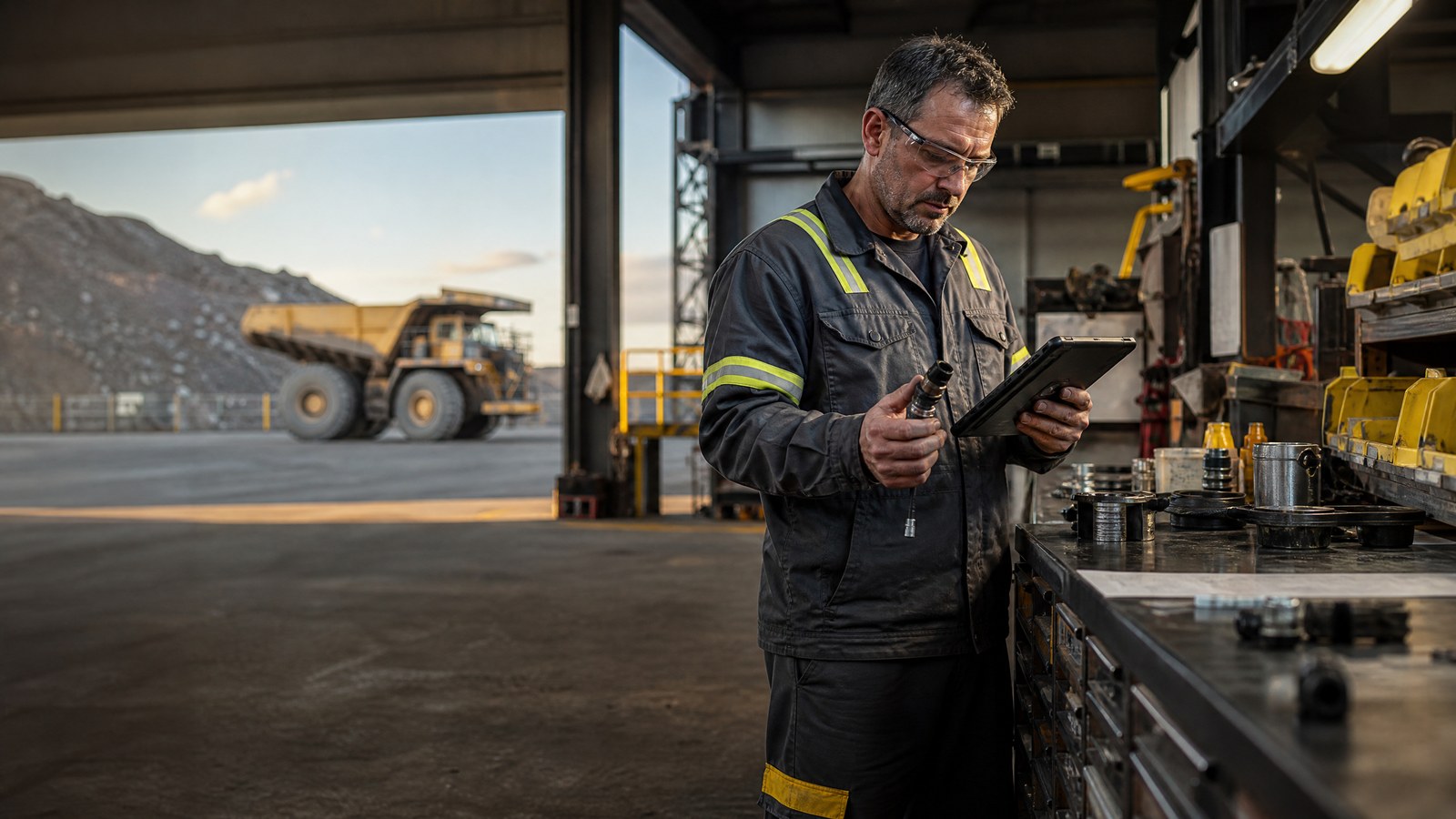
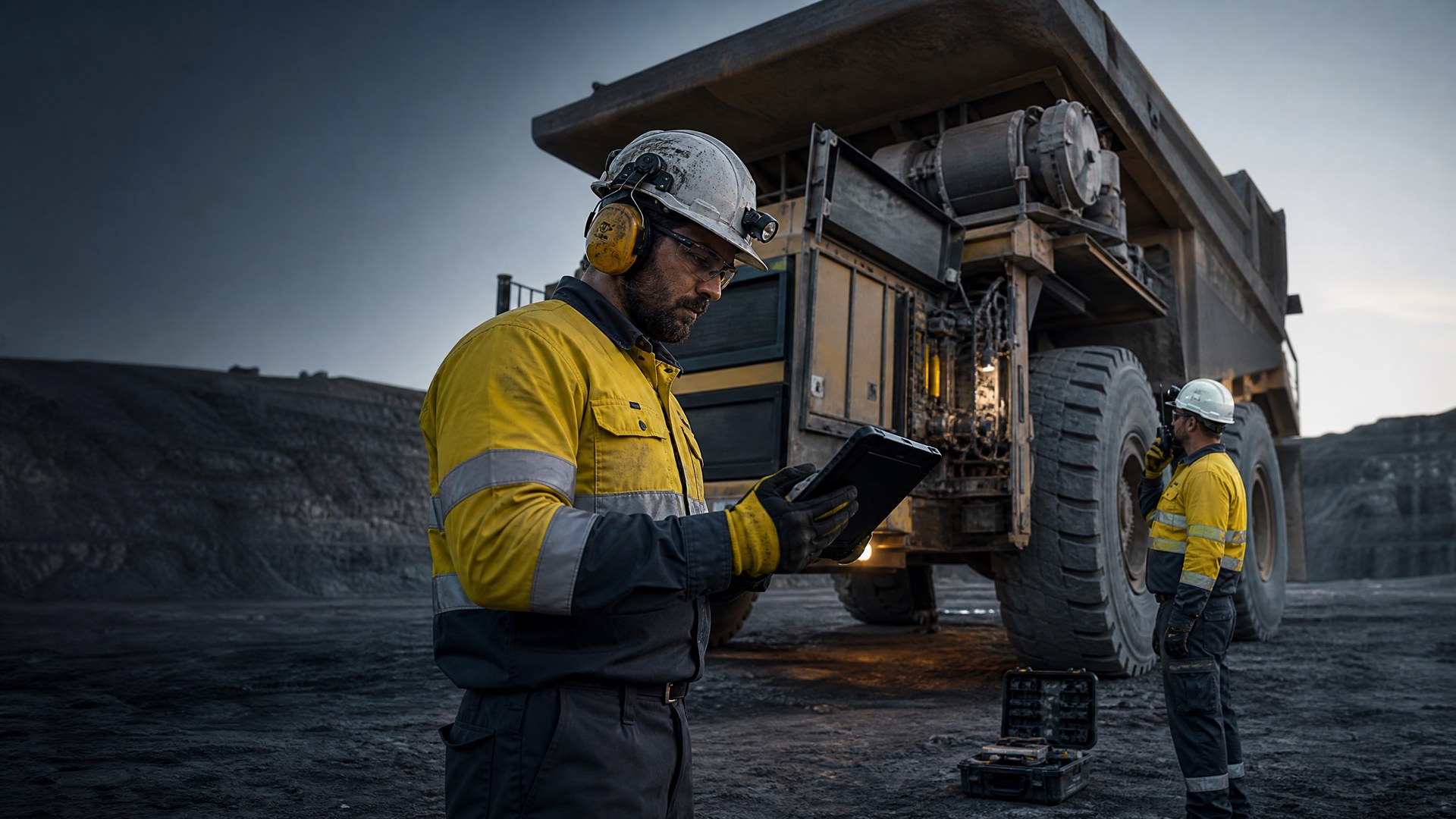
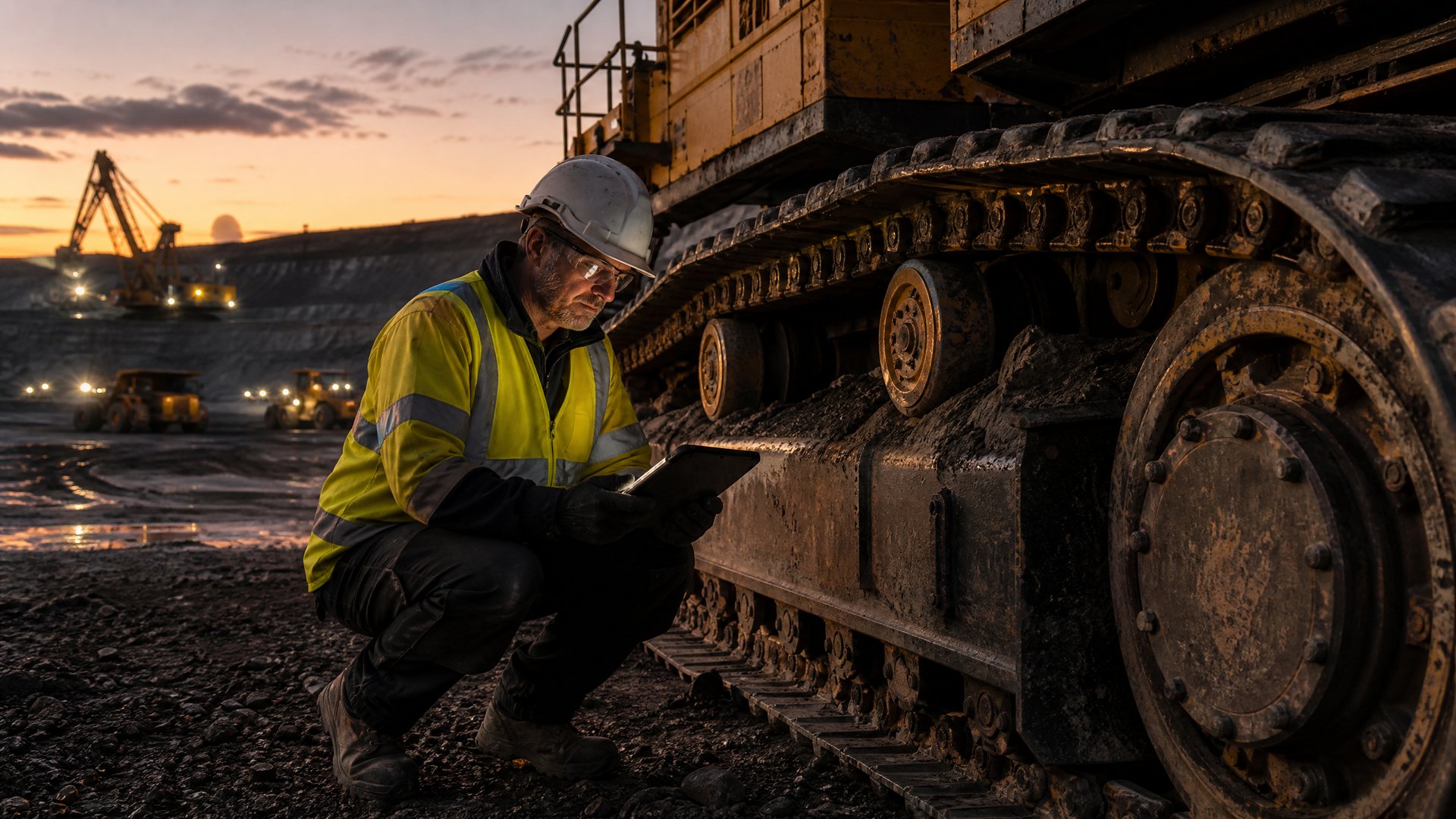
Tie all that together in a mobile-first app, and people can post photos, short videos, and quick notes while they are right at the machine. Fast search and simple posting make it realistic to use even on long summer shifts when no one wants to walk back to the trailer just to check a binder.
Keeping Your Knowledge Network Running Offline
Connectivity is nice. Offline is reality. Remote mines, thick concrete, steel frames, tunnels, and heavy terrain all cut off signal. A real construction knowledge network has to be offline-first, not just “offline-friendly.”
That means the app should:
• Cache key content on the device
• Sync in the background whenever signal shows up
• Let people search, read, and draft posts even without service
Not everything needs to be offline, so it helps to focus on what matters most:
• Safety procedures and risk controls
• Lockout/tagout steps
• Troubleshooting guides for critical machines
• Incident playbooks and escalation paths
• Project-specific checklists and permits
When crews open the app at the start of a shutdown, outage, or big pour, they should already have what they need on their phones or tablets. Before a heavy summer window, teams can pre-load zones, fleets, and common workflows with the right content so no one is stuck guessing when the signal drops.
Of course, offline use raises a big question: what happens when people update things at the same time? Smart syncing avoids chaos later. The network should track:
• Who edited what and when
• Which version is newest
• Which content counts as “official” vs “field note”
Role-based approvals and clear labels keep outdated or unsafe steps from spreading by mistake. Mechanics and safety leads can review changes once devices reconnect, so the shared view stays safe and current even as crews move in and out of coverage.
Nailing Shift Handoffs and Incident Escalations in Real Time
Shift handoffs are where a lot of risk hides. A note forgotten on a whiteboard, a smudged line on a clipboard, or a faded tag on a key ring can cause missed warnings and repeat failures.
A construction knowledge network changes that by giving every machine and workflow a live, searchable activity stream. Instead of scattered notes, crews see:
• Last actions taken on the asset
• Open issues and work orders
• Photos of damage or wear
• Temporary workarounds in place
Structured digital handoff templates make things even clearer. For each shift, the outgoing crew can record:
• Machine status and alarms
• Work completed and what is still pending
• Parts on order, expected arrival, and temporary fixes
• Risk flags, access limits, or special instructions
Incident escalation also becomes faster and easier to trace. If someone spots a leak, strange noise, or near miss, they can:
• Snap a photo or short video
• Tag the right machine or area
• Add a brief description and risk level
• Trigger alerts to supervisors, safety, or OEM experts
Because near misses and minor issues live in the same network as the official procedures, crews can search past patterns. Over a busy summer season, that history helps teams adjust checklists, update training, and spot early warning signs before they turn into downtime or injury.
Governance That Keeps Speed From Becoming a Liability
Real-time speed is great, but on a job site, speed without control is risky. That is where governance comes in. It is not about slowing people down. It is about clear rules on who can publish what, and what counts as trusted guidance.
A few simple guardrails help:
• Field teams can share observations, tips, and questions
• Only assigned owners can publish or change official procedures
• Official content is clearly marked, so people know what to follow
Content owners might be maintenance leads, safety managers, or OEM partners for certain asset types. They review and approve key steps like lockout, lifting limits, or critical repairs. They also refresh content as equipment ages, work changes, or regulations shift.
Strong versioning and audit trails let you see:
• Which version was live at the time of an incident
• Who changed a step, and why
• When training or briefings need to be updated
Governance matters even more during summer when crews grow fast. Temporary hires, new contractors, and night shift workers may not know the history of the site. Clear rules, starter content, and simple approval flows protect them and the project when activity is at its peak.
Put a Real-Time Knowledge Network in Workers’ Hands
A job-site-ready construction knowledge network, built around equipment, mobile by design, and backed by clear governance, can reduce downtime, keep people safer, and speed up decisions on mining, construction, and industrial sites of all sizes. It turns scattered experience into a shared brain that lives right where work happens.
The easiest way to begin is to start small and focused. Pick a high-impact fleet like haul trucks, cranes, or pumps, or a high-risk workflow such as confined space entry or concrete pouring. Map the key equipment, define who owns which content, and decide what must be available offline before the busy period hits. Then invite the frontline to share real photos, short notes, and practical tips. Their lived experience is the fuel that makes a construction knowledge network truly work. Torqn exists to connect that experience across operators, mechanics, and managers so every shift, handoff, and incident helps the whole site learn faster.
Join a Smarter Construction Community Today
Tap into the expertise, tools, and conversations that help you deliver better projects with less rework and risk. At Torqn, we built our construction knowledge network so your team can share insights, standardize best practices, and make faster, data-backed decisions. Get started today to connect your field, office, and partners around the same trusted source of construction knowledge.