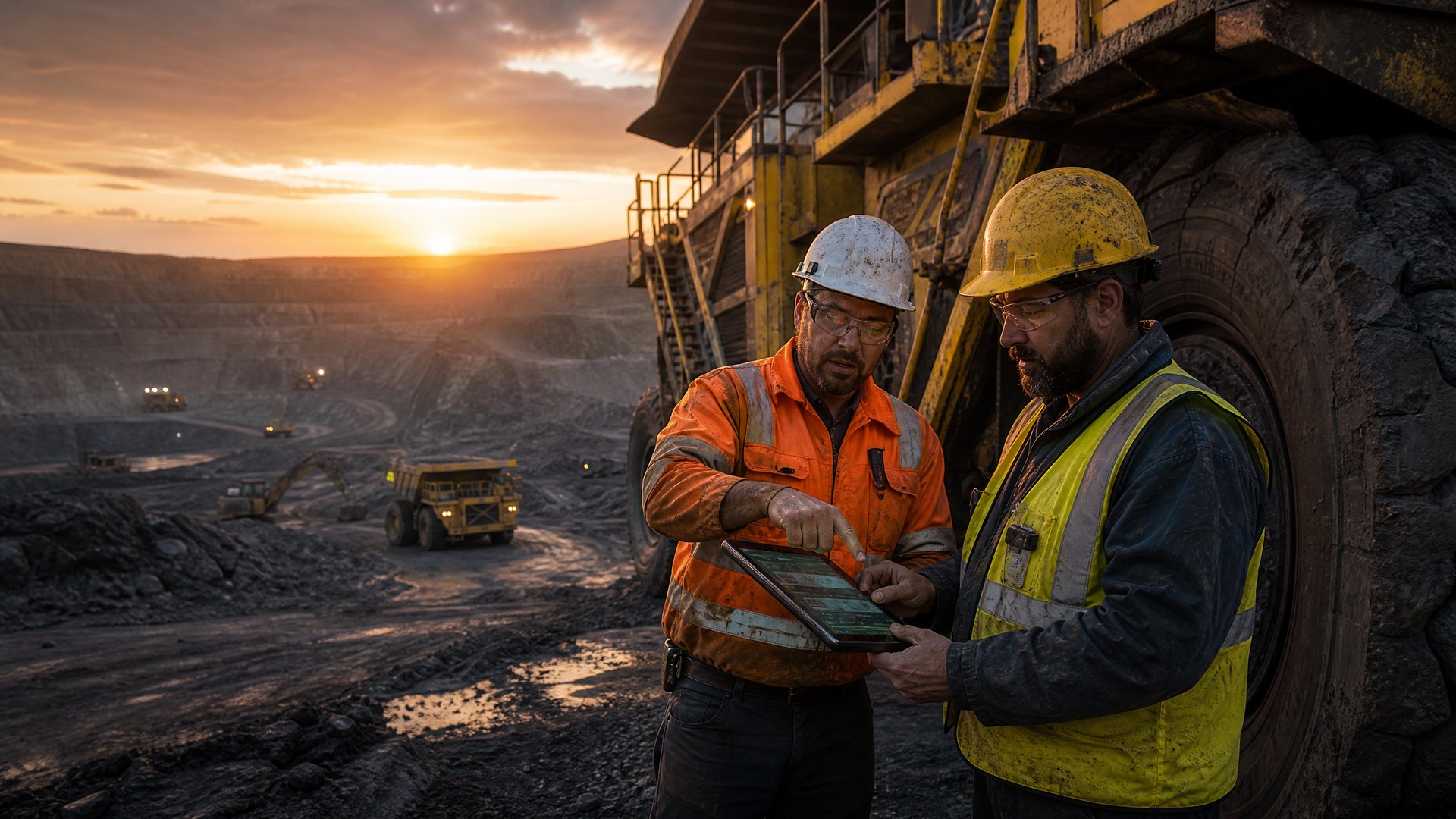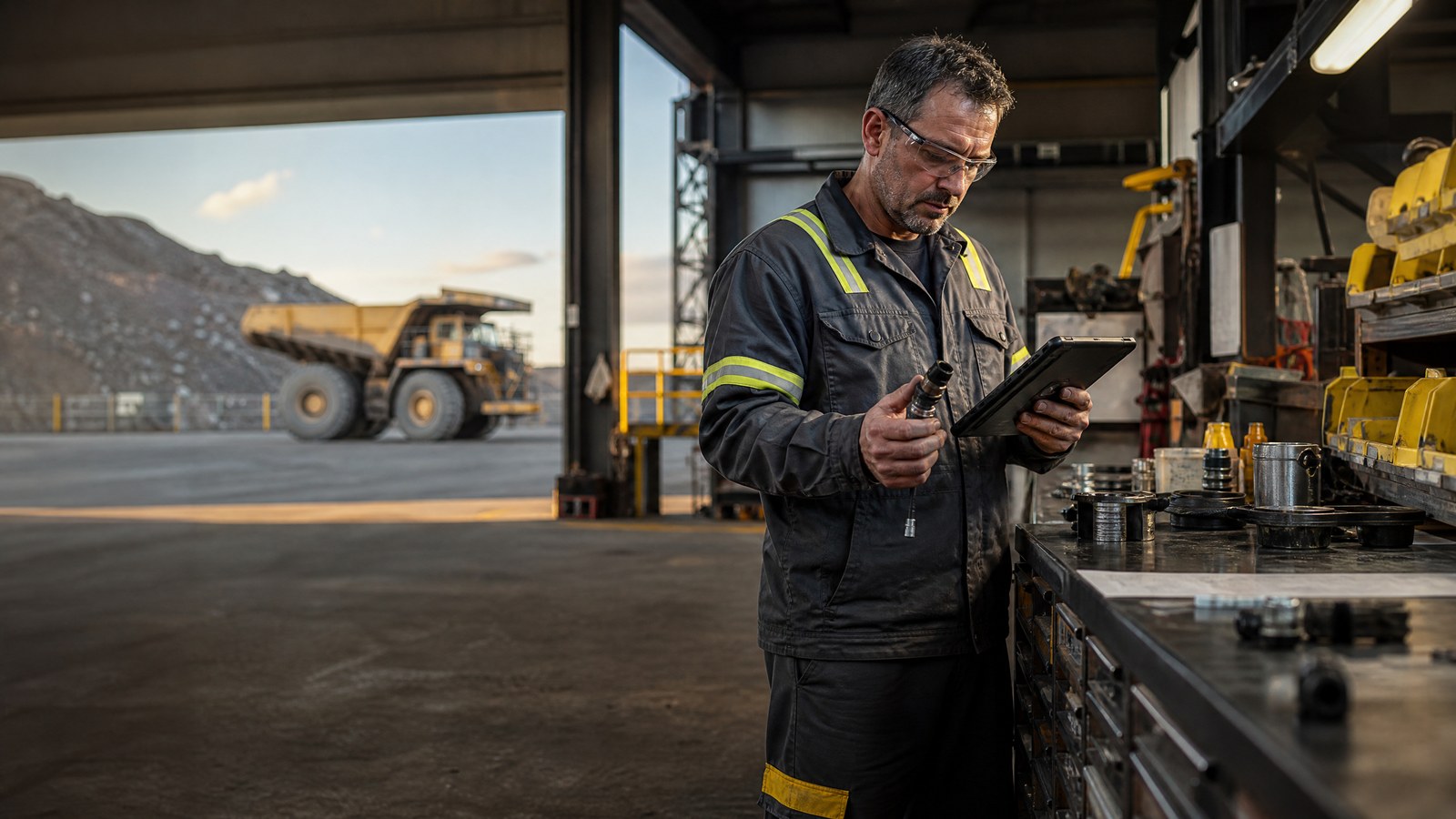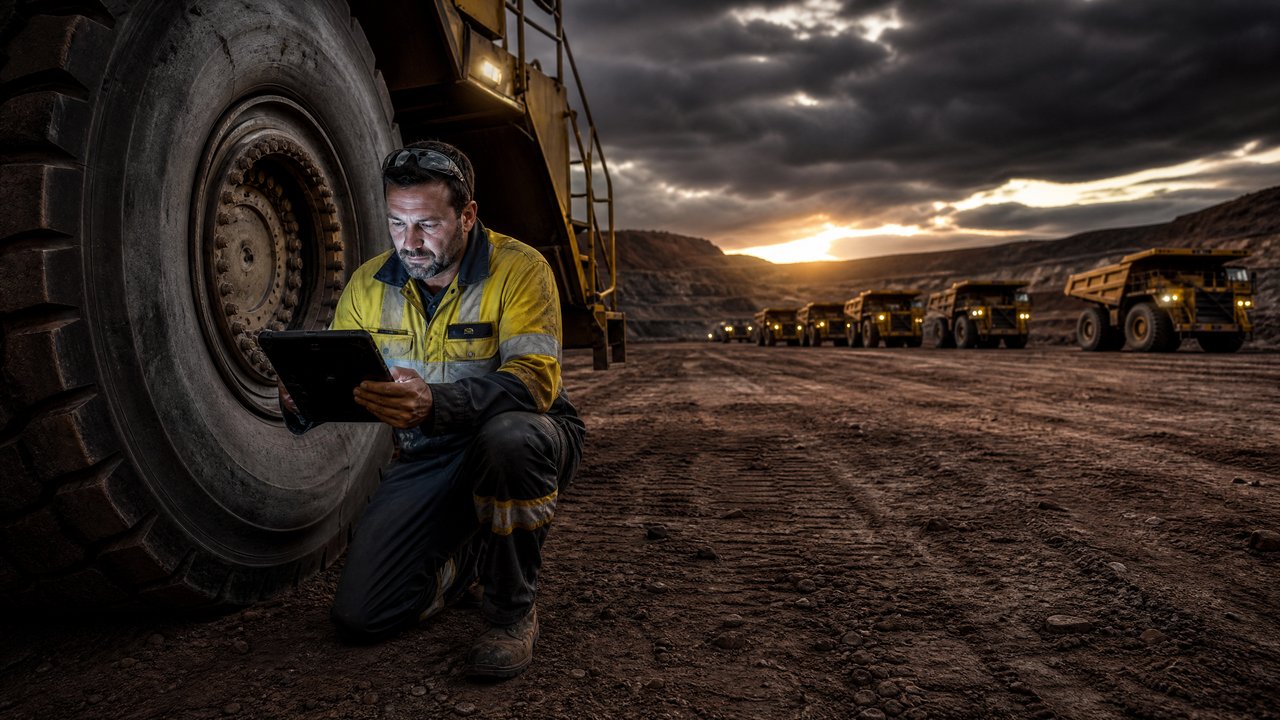

Every day, heavy industry pays an invisible tax when undocumented frontline knowledge is lost. Here's how to stop paying it — and turn that expertise into a queryable asset.
The Invisible Tax on Heavy Industry: When Proceduralised Knowledge Fails the Frontline
In heavy industry, the gap between what is written in a manual and what actually happens on the ground is where margin is lost. Every day, operators and maintainers face scenarios that standard operating procedures (SOPs) simply do not cover. When a machine throws an undocumented error code or behaves unpredictably under specific environmental conditions, the official documentation often provides little more than a dead end. This gap is not just an operational inconvenience; it is an invisible tax that drains profitability, compromises safety, and stalls productivity.
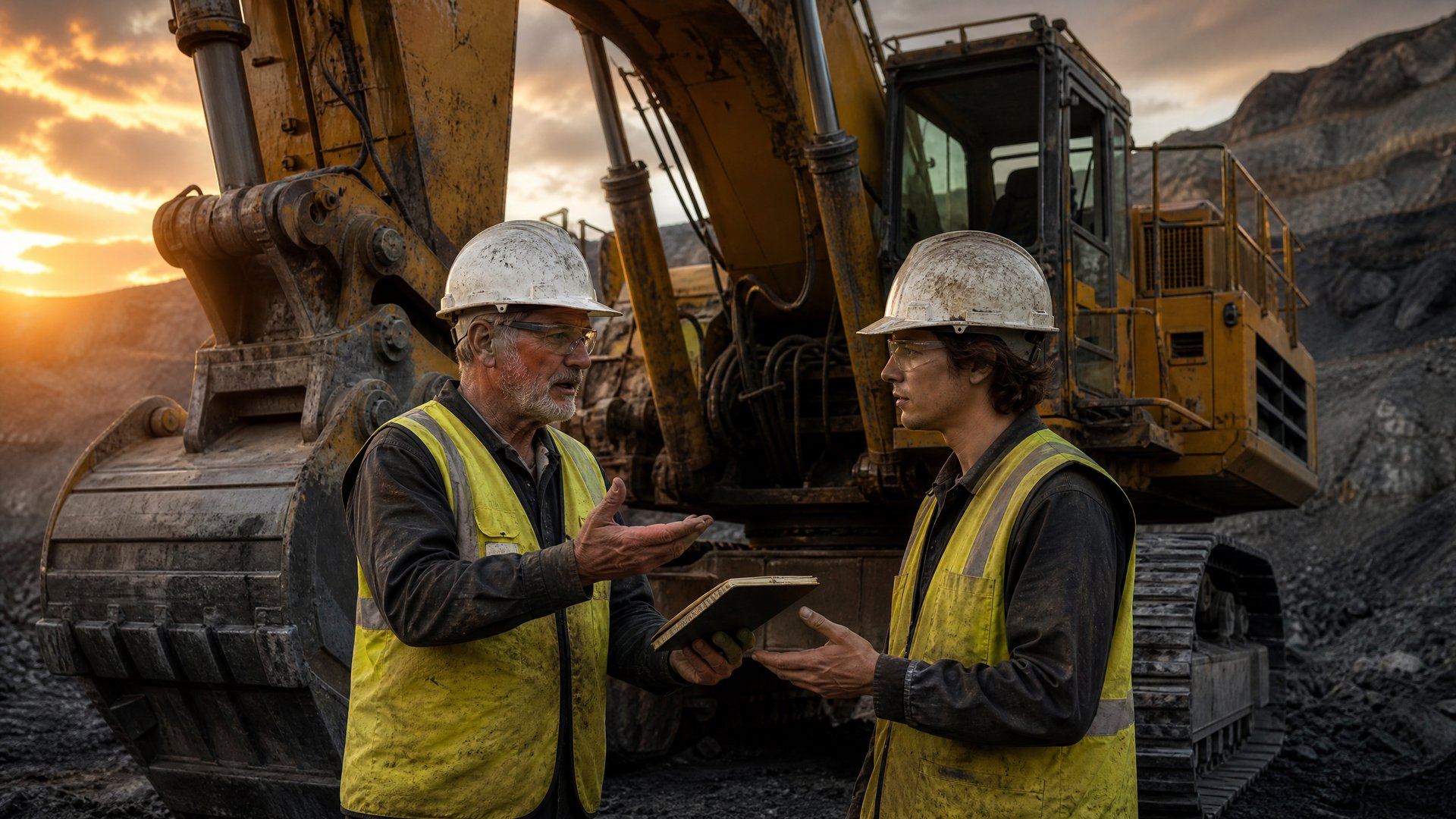
For decades, the default solution to this problem has been to rely on the experience of veteran workers. These individuals have built mental libraries of workarounds, quick fixes, and nuanced understanding of how equipment truly operates in the field. However, as this generation of experts begins to retire, they take this invaluable, hard-won knowledge with them. The resulting vacuum leaves newer operators struggling to solve problems that were once handled instinctively, leading to increased downtime and costly interventions from original equipment manufacturers (OEMs).
The True Cost of Undocumented Interventions
When a frontline worker encounters an issue not covered by the manual, they are forced to improvise. Sometimes this means calling a colleague, sometimes it means trial and error, and sometimes it means escalating the issue to a supervisor or external consultant. Each of these steps takes time. When a critical piece of machinery, such as a haul truck or an excavator, is sitting idle, the financial impact compounds rapidly. The costs are not limited to the immediate loss of production; they extend to schedule delays, overtime payments, and the potential for safety incidents when unverified workarounds are attempted.
Consider the data trail of these interventions. A mechanic might spend four hours diagnosing a hydraulic fault that a peer on another site solved in twenty minutes the week prior. Because there is no central mechanism to capture and share this knowledge, the organisation pays for that same learning curve over and over again. The manual remains static, the knowledge remains siloed, and the business continues to leak capital.
Knowledge as a Business Asset
To stop this leakage, heavy industry must fundamentally change how it views knowledge. Frontline expertise can no longer be treated as a byproduct of experience; it must be recognised and managed as a core business asset. This requires moving beyond static PDFs and dusty binders toward dynamic, queryable intelligence that lives where the work actually happens.
By capturing the daily problem-solving that occurs on the job site, companies can build a living repository of operational intelligence. When an operator finds a faster way to safely clear a jammed crusher, or a maintainer discovers that a specific sensor fails prematurely in extreme cold, that information needs to be instantly accessible to the rest of the fleet. This is where the concept of a construction knowledge network becomes critical. It transforms individual experience into collective capability.
The Role of AI in Unlocking Frontline Intelligence
Capturing this information is only the first step; making it useful is the real challenge. Frontline workers do not have the time to scroll through endless forums or search poorly indexed databases while standing in the mud. They need precise, contextual answers immediately. This is where artificial intelligence, specifically tailored for heavy industry, changes the paradigm.
Advanced AI tools, like DOCS AI, can ingest vast amounts of structured data (like OEM manuals) and unstructured data (like field notes, photos, and peer advice) to provide instant, accurate guidance. When a worker asks a question, the AI does not just return a list of documents; it synthesises the official procedure with the practical, hard-won insights of the workforce. It bridges the gap between theory and reality.
Furthermore, this AI-driven approach allows organisations to identify patterns that would otherwise remain hidden. If multiple operators across different sites are querying the same error code, the system flags this as a systemic issue. Management can then proactively address the root cause, whether that means adjusting maintenance schedules, updating training protocols, or pushing back on the manufacturer for a permanent fix.
Measuring the ROI of Connected Intelligence
Transitioning to a model of connected intelligence requires investment, and executives rightly demand to see the return. The ROI of capturing and proceduralising frontline knowledge is highly measurable if you know where to look. Key performance indicators should focus on the reduction of friction in the daily workflow.
Metrics to track include the decrease in mean time to repair (MTTR) for common faults, the reduction in OEM call-out fees, and the drop in unscheduled downtime. Additionally, the speed at which new operators reach full proficiency is a critical indicator of success. When a new hire has immediate access to the collective wisdom of the entire workforce, their onboarding time is slashed, and their error rate drops significantly.
Building a Resilient Operation
The future of heavy industry belongs to those who can operationalise their data. Relying on static manuals and the fading memories of retiring experts is a strategy for obsolescence. By deploying a robust knowledge network and leveraging AI to make that knowledge actionable, companies can protect their margins, enhance safety, and build a truly resilient operation.
It is time to stop paying the invisible tax. The knowledge needed to optimise your fleet already exists within your workforce; the challenge is simply to capture it, connect it, and put it to work.
Discover how Torqn can help you turn scattered frontline experience into a powerful, queryable business asset. Equip your team with the tools they need to solve problems faster and keep your operations moving.