
Discover how a machinery knowledge network helps mining and construction teams share real-world fixes, reduce downtime, and boost equipment performance.
Turning Everyday Equipment Challenges Into Shared Wins
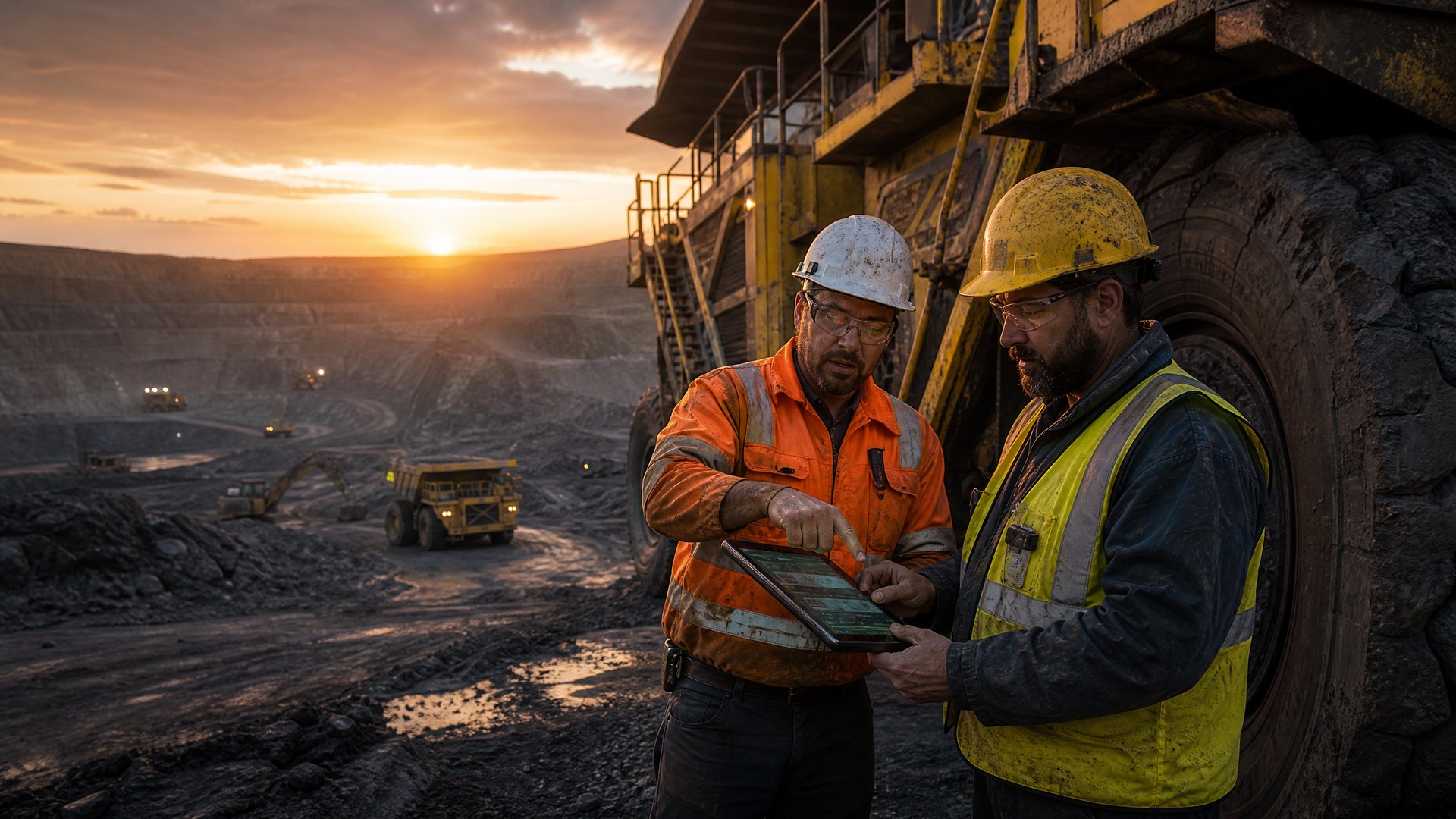
When a key machine is down, everything else waits. A single fault code that keeps popping up on a haul truck or excavator can stall a whole shift and throw a schedule off for days. The manual is vague, local contacts are busy, and the clock is ticking while the crew stands around. It is a stressful, expensive way to work.
What makes it worse is knowing that someone, somewhere, has probably seen that same code on that same model before. The fix exists, but it is stuck in someone’s head or in a note on a whiteboard in another shop. That is hidden value. A global machinery knowledge network turns those day-to-day frustrations into shared wins, so when one person cracks a problem, everyone running that machine can benefit.
At Torqn, we built a place where people in mining, construction, and other heavy industries can turn real-world experience into a living library of answers tied to the equipment they actually use. Not theory, not guesswork, just practical knowledge you can put to work on the next shift.
Why Industrial Know-How Stays Trapped in Silos
Most industrial know-how is not lost, it is just scattered. The smartest insights live in places like:
• Personal notebooks or scraps of paper
• Private chats and group messages
• Emails that no one can find later
• Quick conversations in the workshop or at the fuel bay
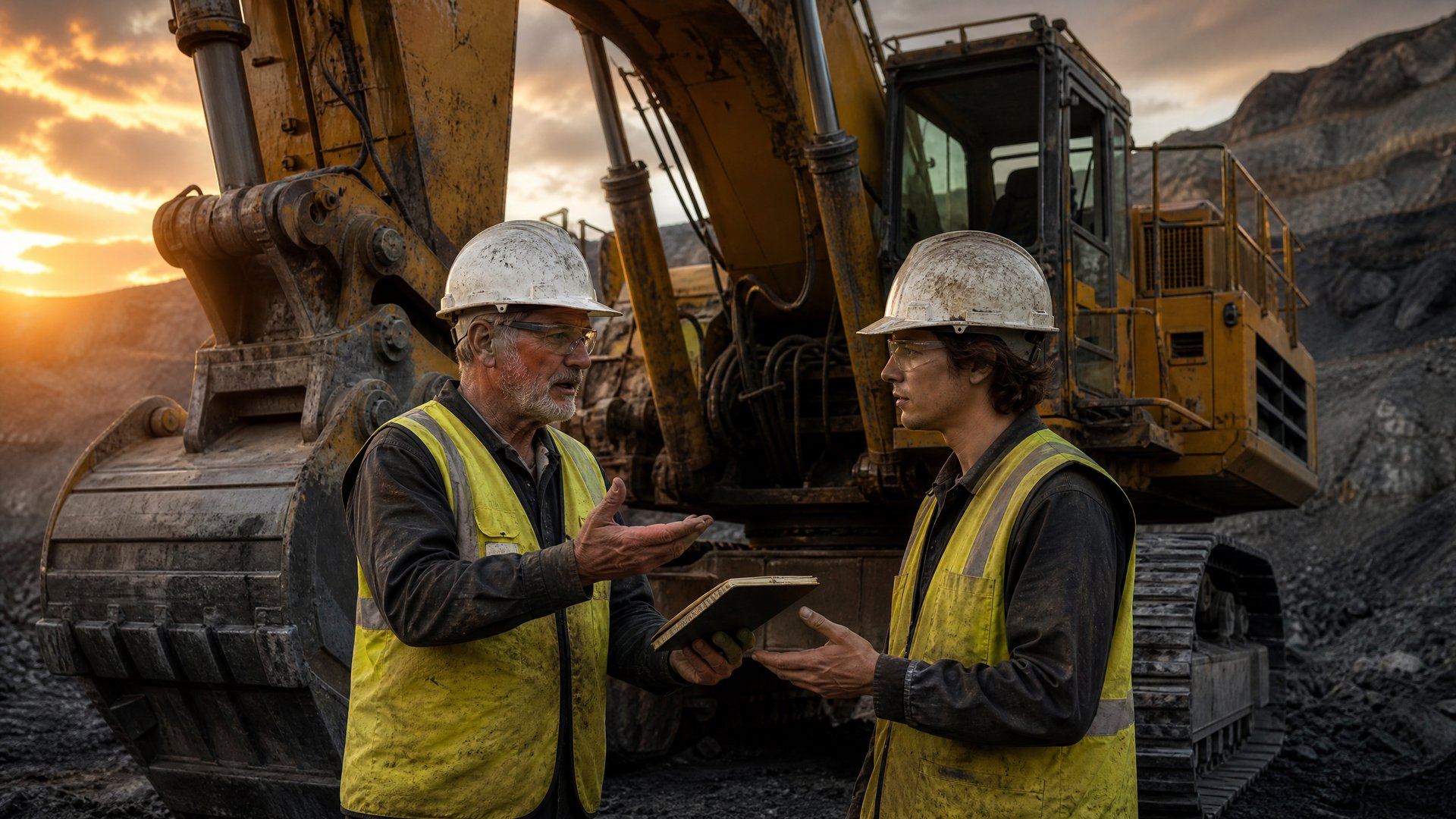
Shift work, long seasons, and rotating crews add to the problem. Contractors come and go. Experienced hands retire or move to another site. A mechanic who knows a trick to clear a certain hydraulic fault might pass it on to two or three people, but not to the next team that arrives right before the busy spring and summer projects kick off.
On top of that, traditional support has limits. OEM manuals are written for a wide range of conditions, so guidance can feel general. Generic online forums might not match your exact model, attachment, or climate. A grader running in cold, wet conditions is not the same as the same grader working in hot, dry dust.
So we end up with the same problems repeating on the same brands and models all over the world. Thousands of operators, technicians, and managers see the same issues, yet almost none of that learning crosses site, company, or country lines. That is a big missed opportunity.
What a Machinery Knowledge Network Really Unlocks
A machinery knowledge network is a way to organize all that know-how so it is easy to find and use. Instead of random notes, it builds a shared map of experience around the exact equipment people trust every day.
In a strong network, insights are tied to things like:
• Make and model
• Attachments and options
• Specific fault codes or symptoms
• Operating conditions such as cold starts or high dust
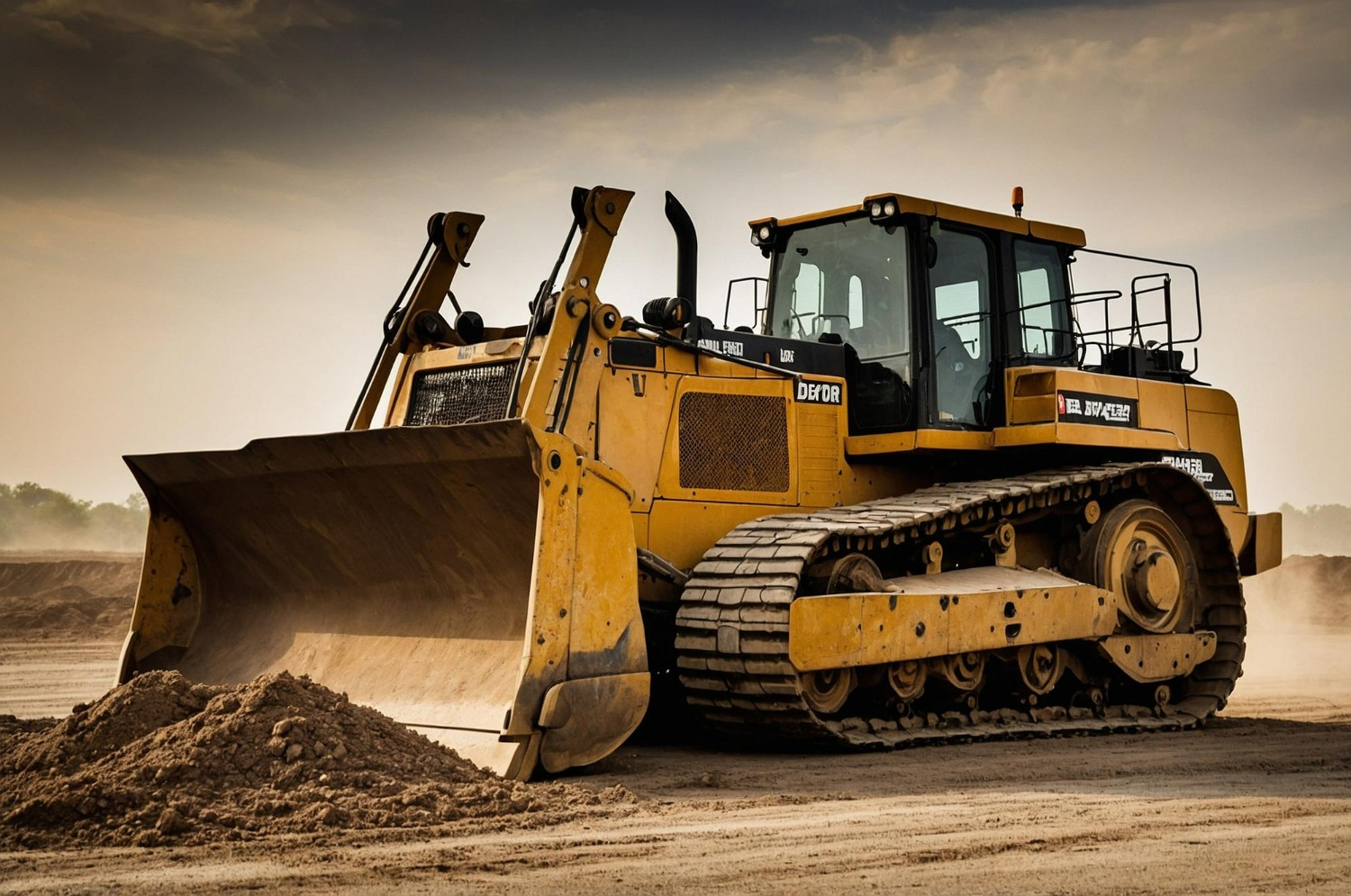
This lets people search for answers that match their real situation. A user can quickly look up recurring sensor faults on a certain dozer model or common fuel system problems on a specific haul truck, and then see how others fixed it in the field.
The big advantage is speed. Instead of waiting for a single site expert to finish a shift or holding for a slow response, crews can tap into the shared experience of people who already solved the same problem. Often they worked under similar loads, soil types, weather, and safety rules, so the advice is much closer to what you need.
That speed matters most when fleets ramp up for heavy use in the middle of the year. As production targets rise and machines run longer hours, a global machinery knowledge network helps teams prevent failures and respond faster when something slips through.
Turning Shared Experience Into Measurable Asset Value
When real-time peer knowledge becomes part of daily work, it does more than just fix single faults. It affects the whole life and cost of the fleet.
A good machinery knowledge network helps with:
• Fewer repeat failures, because the true root causes get shared
• Faster troubleshooting, since you start with proven steps
• Less downtime on key units, which protects cost per ton or yard
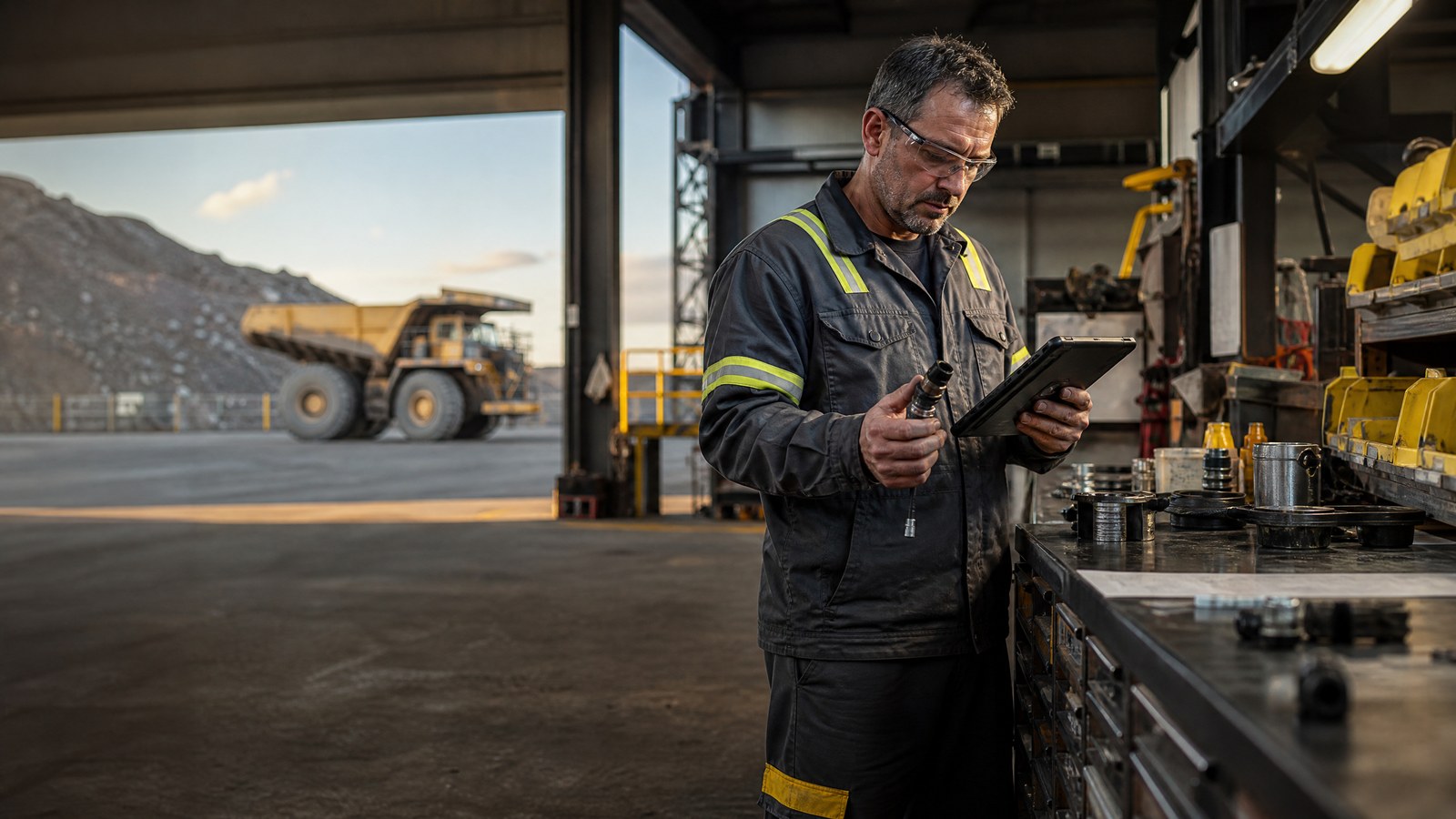
Over time, those gains add up. People share how often certain components actually last in harsh conditions, what early warning signs to watch for, and which setup tweaks reduce stress on parts. That kind of insight supports longer asset life and smarter preventive maintenance, not just quick repairs.
Planning and budgeting improve too. When planners can see the most common failures on specific models from many sites, they can:
• Stock the right parts ahead of busy seasons
• Plan upgrades for known weak spots
• Choose future equipment with more confidence
There is also a clear safety and compliance lift. Crews swap field-tested procedures for tight spaces, ways to avoid pinch points during inspection, and lessons learned from near misses. Better knowledge means safer people, cleaner audits, and fewer surprises when rules or reporting expectations change.
How Torqn Connects People Through the Machines They Trust
At Torqn, we built our global community around the machines themselves. Instead of starting with job titles or companies, we start with the equipment people use, own, or work on. That simple shift changes the whole feel of the network.
Here is how someone might use it in practice:
• Join and add the machines they work with
• Follow the makes and models that matter to their day
• Post real problems, fault codes, or strange behaviors
• Get answers from peers who know those machines inside and out
The conversations stay grounded in real hardware: a loader that keeps overheating, a drill with erratic pressure, an excavator that cuts power mid-swing. Across mining, construction, and other heavy work, people use Torqn to talk through hydraulic issues, dial in fuel efficiency, fine-tune attachments, and track down noisy, intermittent electronic faults that are hard to repeat on demand.
Because everything is organized around specific equipment, the network avoids the noise of generic social platforms. The focus stays on what can be done in the next hour on a real machine, not on broad opinions or off-topic chatter. It feels like standing in a global workshop where everyone speaks the same mechanical language, just with different accents.
Building a Smarter Future for Your Fleet Starting Today
Every time someone solves a tricky fault, figures out a better inspection routine, or finds a setup that makes a machine run smoother, that lesson could either stay local or become shared value. A machinery knowledge network turns each fix into a building block for the next crew, the next season, and the next project.
When we think about the future of fleets, it is not just about larger engines or smarter controls. It is about smarter people, connected through the equipment they trust. Torqn exists to help operators, mechanics, and managers turn their real-world experience into something bigger, so the next time a fault code flashes and the job is on the line, the answer is already waiting.
Unlock Deeper Insights With a Smarter Machinery Network
If you are ready to turn scattered equipment data into practical, daily decisions, we are here to help. At Torqn, we built our machinery knowledge network so your team can capture, share, and act on lessons from every machine across your operation. Join us to streamline troubleshooting, reduce downtime, and give your experts one trusted place to collaborate. Let’s start shaping a more reliable and informed machinery strategy together.