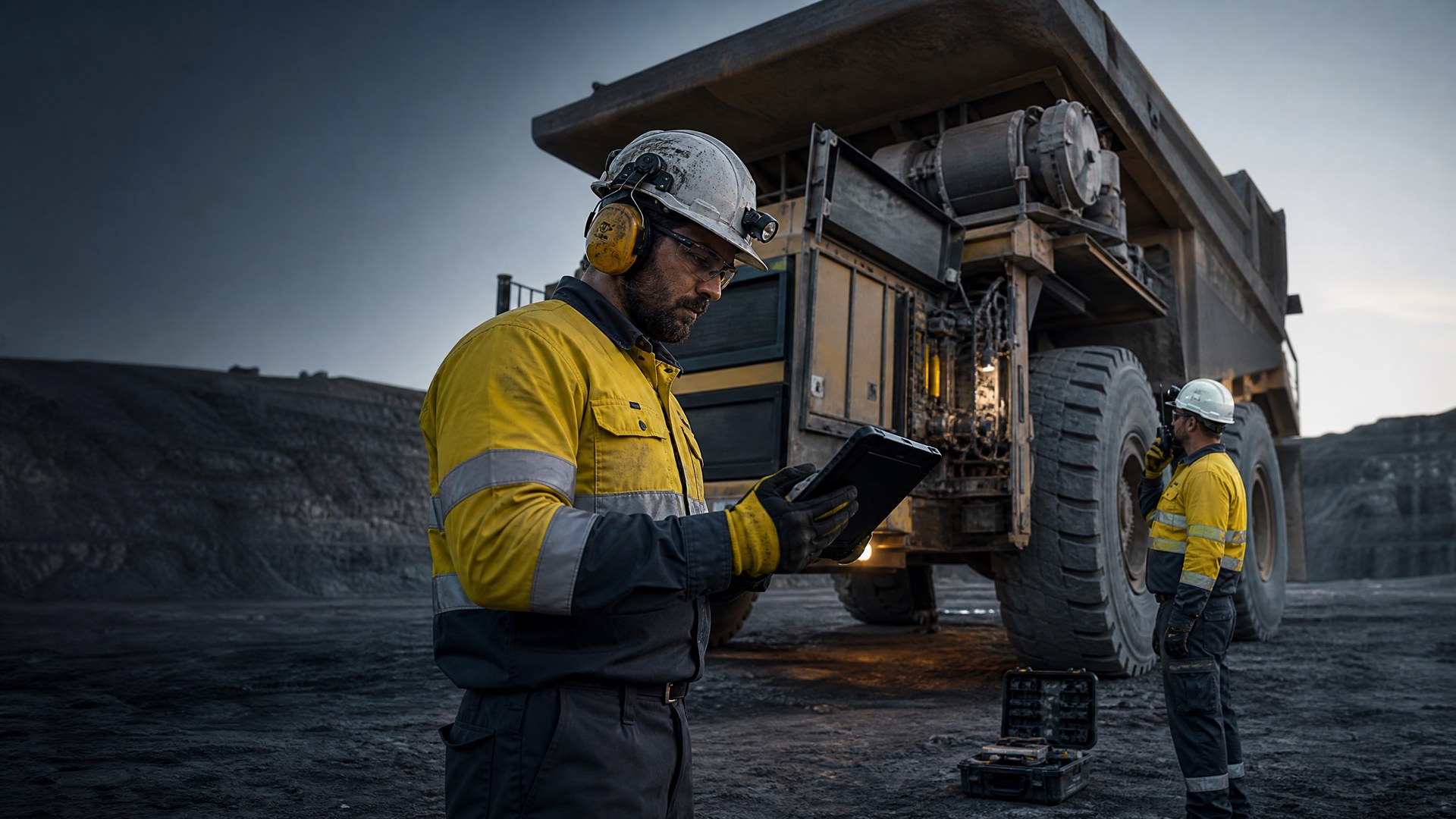

Start strong with a 30 60 90 day onboarding plan and join a construction knowledge network to troubleshoot equipment, learn best practices, and connect fast.
Launch Your First 90 Days with Confidence
Starting on a new piece of construction equipment in the middle of busy summer work is no small thing. Heat, dust, long days, and tight timelines all hit at once. You are expected to be safe, fast, and reliable, even when the machine in front of you has more electronics than the truck you drove to the site.
The hard part is that old-style onboarding does not keep up. You might get a quick walkaround, a thick manual that no one has time to read, and a few tips from a senior operator when they are not rushing to finish a lift. On top of that, modern machines have more modes, sensors, and alarms than ever.
That is where a construction knowledge network comes in. Instead of trying to remember every detail from one training day, you treat your first 90 days like a plan, and you stay plugged into a live stream of real operators, mechanics, and OEM experts who run the same machines you do. In this playbook, we walk through a simple 30-60-90 day path that helps you become a confident, connected operator who knows exactly where to go for answers the moment you need them.
Days 1, 30: Build Safe Habits and a Support Circle
Your first month should be all about safety, basics, and forming good habits that will stick when the work ramps up. Speed comes later. For now, slow is smooth, and smooth is fast.
Key habits to lock in early include:
• Daily pre-start inspections for your exact machine
• Knowing load charts and working limits, not just guessing by feel
• Understanding site traffic flow so you are never surprised by a truck or a spotter
• Following lockout/tagout rules before anyone touches the machine for service
Every model has its own quirks. A construction knowledge network helps shrink that learning curve. In Torqn, you can:
• Join groups for your brand, model, or type of work, like compact excavators or wheel loaders
• Follow experienced operators who post about the same machines you run
• Save common threads like startup checklists or frequent alarms so you can review them on breaks
You can also ask better questions. Instead of trying to explain a strange noise to your foreman with hand motions, you can snap a photo or record a quick video on your phone, then post it in Torqn. A mechanic or OEM expert can often point you in the right direction before it turns into downtime.
As you do this, start building your own name in the network:
• Post a short intro with what you run and what kind of work your crew does
• Say thanks when someone helps you avoid a problem, and tell them what worked
• Keep notes of tips that save you from rework or a safety close call
Those first 30 days are not about looking perfect. They are about showing that you are careful, coachable, and connected to people who know these machines inside and out.
Days 31, 60: Level Up Productivity and Problem Solving
Once you are solid on safety and basics, your second month is about working smarter. You want to move the same amount of dirt, pipe, or material with less effort, less fuel, and less stress on the machine.
Start by paying attention to:
• Fuel burn during a shift
• Cycle times for common tasks like loading trucks or trenching
• How often you are changing attachments and how smooth that process is
• How your operating style affects idle time and machine heat in hot weather
Inside a construction knowledge network, this is where the deeper learning really starts. You can look up past discussions from operators using your same model in the same kinds of conditions you see on site. Common topics include overheating in high temperatures, dust causing sensor issues, or hydraulic performance during long, steady runs.
Instead of just reading, begin to give back. When you solve a small problem, document it:
• A recurring fault code you learned how to clear the right way
• A seat or control setting that reduced your fatigue late in the day
• A trick for faster attachment changeovers without missed steps
Post a short step-by-step note or quick clip. Keep it simple and honest. You are not trying to act like a master tech. You are just sharing what worked so the next new operator does not have to guess.
This is also a great time to tie your learning to your crew. When you pick up a tip from Torqn, share it with your foreman or maintenance lead. Work with them so your operating style supports:
• Fewer callbacks to fix ruts, grades, or slopes
• Less idle time waiting on trucks or survey
• Better timing for maintenance that fits your schedule and theirs
Now you are not just running a machine. You are helping the whole operation move smoother during the busiest part of summer.
Days 61, 90: Become a Go-to Operator in the Network
By your third month, you start to feel the machine become an extension of your body. You know where the controls are without looking. You can hear when something is off. That is the perfect time to shift from learner only to learner and helper.
Pick two or three things you now feel solid on, like:
• Compact excavator trenching and backfilling
• Loader cycle setup for fast but safe truck loading
• Daily greasing and simple checks that keep the machine tight
Look for questions in the construction knowledge network that match those topics and share what you know. You are not replacing a supervisor. You are adding one more honest voice for other new operators who are a few weeks behind you.
You can also start asking more advanced questions. In Torqn, you can reach OEM experts and senior mechanics to talk through things like telematics data, regen cycles on newer engines, undercarriage wear patterns, or how to plan seasonal maintenance as weather swings from hot and dusty to wet and muddy.
As you grow, think beyond just your seat. Join communities for your type of work, like earthmoving, roadbuilding, or industrial sites. Talk about how your operator choices affect:
• Truck drivers waiting to be loaded
• Survey crews trying to hold grade
• Concrete or paving crews who depend on your prep work
Finally, use the end of your first 90 days to capture what you have learned. Store notes and tag posts inside Torqn on:
• Machine settings that worked best in summer heat
• Attachments that fit certain tasks better than others
• Issues you saw again and again and how they were fixed
Your future self, coming back after a long winter or when you move to a new job, will be glad you left a trail.
Turning Your 90-Day Head Start Into a Career Advantage
After those first 90 days, the goal is to keep your network habits alive. Set a simple weekly rhythm with Torqn or any construction knowledge network you use:
• Check for updates on the models you run
• Skim top discussions in your equipment category
• Add at least one new tip, note, or question based on what you saw that week
This steady pattern quietly builds your skills and your name. When you show your supervisors how you confirm procedures, reduce guesswork, and help keep machines productive, you show that you are serious about the work and open to learning.
Over time, you can use what you see in the network to plan your own growth path. Maybe you want to run bigger iron, learn basic diagnostics, or step into a lead operator or training role. At Torqn, we built our construction knowledge network so new operators can plug into real-world experience from day one and turn those first 90 days on the machine into a strong start for the rest of their career.
Build Smarter Projects With Connected Construction Expertise
Join our construction knowledge network to tap into curated insights, proven practices, and real-world expertise on every phase of your build. At Torqn, we bring project teams, field leaders, and decision-makers together so you can solve problems faster and avoid repeat mistakes. Start turning scattered information into shared, actionable knowledge that helps every project run safer, smoother, and more profitably.