
Your frontline operators share critical know-how on public platforms daily. Here's why frontline data sovereignty is heavy industry's biggest strategic risk.
Why Frontline Data Sovereignty is the Next Major Mining Battleground
For decades, mining and construction operations have treated data as an IT problem. It sat in server rooms, managed by dedicated teams, safely disconnected from the dust and diesel of the actual job site. But as the industry races toward automation and digitisation, the nature of data has fundamentally changed. The most valuable intelligence no longer lives in headquarters; it is generated, exchanged, and required on the frontline. This shift has ignited a new, critical challenge for heavy industry: frontline data sovereignty.
Data sovereignty—the concept that digital data is subject to the laws and governance structures within the nation or organisation it is collected—has traditionally been applied to customer records or financial transactions. In the context of heavy industry, however, it means something far more operational. It is about who owns, controls, and can securely access the hard-won knowledge generated by operators, maintainers, and site supervisors every single day.
The Hidden Vulnerability of Public Platforms
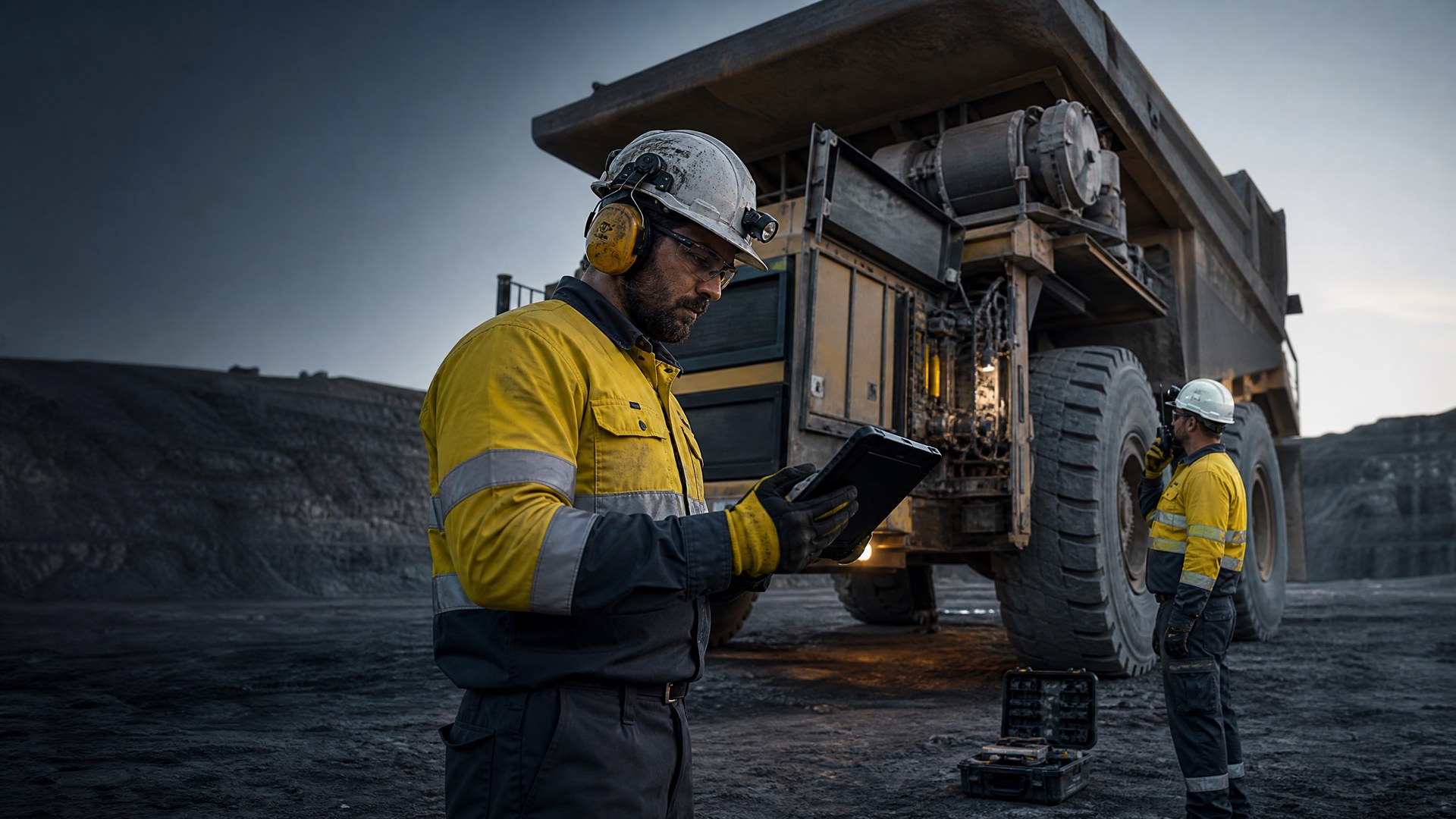
Walk onto almost any major job site today, and you will see operators sharing critical troubleshooting advice, safety workarounds, and maintenance hacks. The problem is where this sharing occurs. In the absence of purpose-built, secure tools, crews naturally gravitate toward public social networks, consumer messaging apps, or generic forums. While these platforms facilitate quick communication, they represent a massive, unmanaged risk to the enterprise.
When an operator posts a detailed breakdown of a recurring fault on a specific piece of machinery to a public forum, that intelligence is no longer controlled by the organisation. It becomes the property of the platform. The enterprise loses its proprietary knowledge, and more alarmingly, it exposes operational vulnerabilities, maintenance schedules, and potentially sensitive site information to the open internet. This is not merely a theoretical risk; it is an active, ongoing leakage of intellectual property and operational security.
The Enterprise Knowledge Graph as a Defensive Asset
The solution to this leakage is not to ban communication—a strategy that has proven universally ineffective and detrimental to safety and productivity. Instead, organisations must provide a superior, secure alternative. This is where the concept of an Enterprise Knowledge Graph becomes a critical defensive asset.
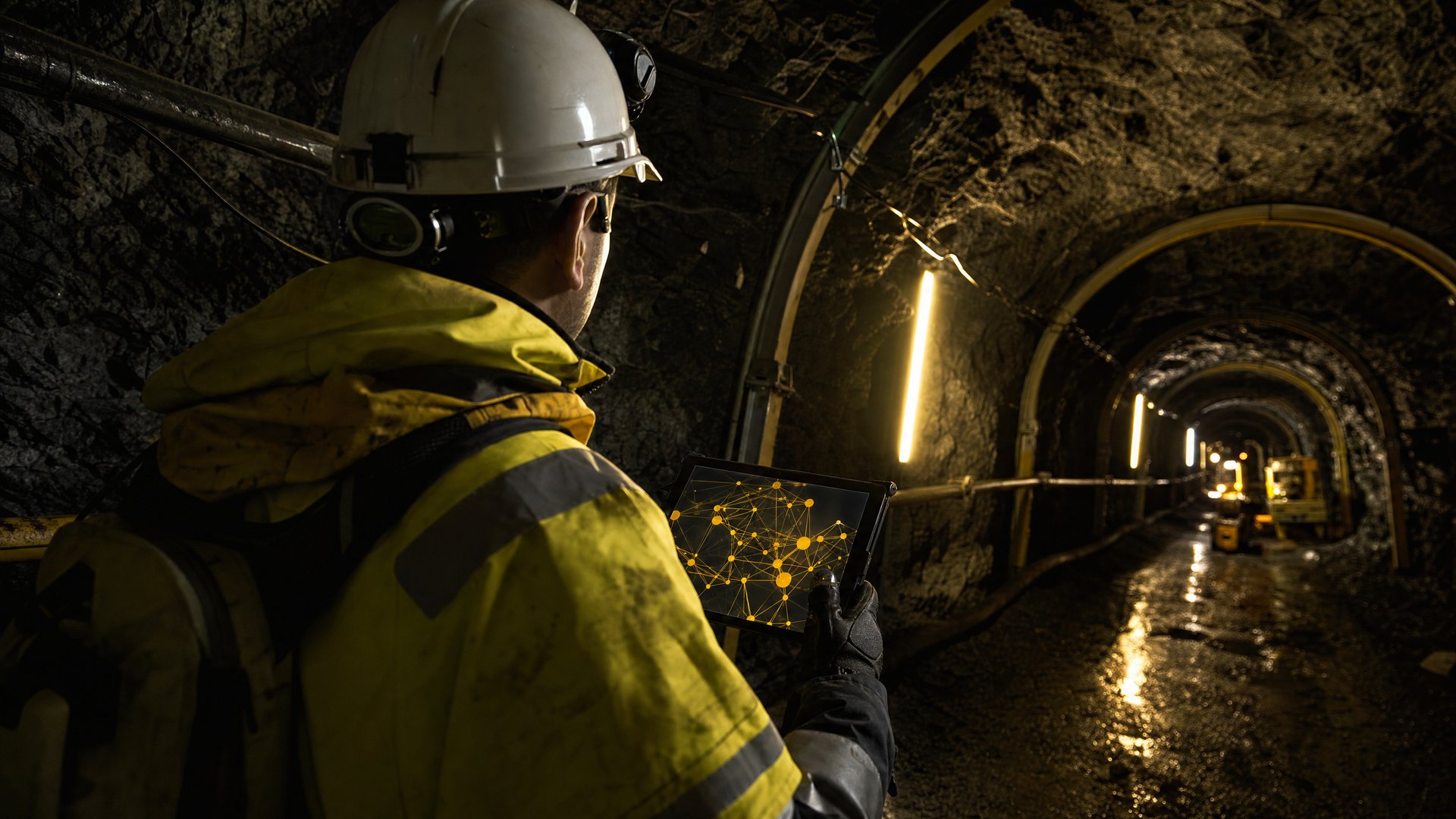
An Enterprise Knowledge Graph acts as a central, structured repository for all organisational intelligence. By deploying a secure, firewalled knowledge network, companies can capture the vital exchanges between frontline workers and map them against official documentation, machinery data, and historical maintenance logs. The knowledge stays within the organisation's perimeter, fully controlled and compliant with internal data governance policies.
| The Old Paradigm: Public Forums | The New Paradigm: Secure Knowledge Networks |
|---|---|
| Data owned by third-party platforms | Data sovereign to the enterprise |
| Intelligence is siloed and unsearchable | Intelligence is mapped to an Enterprise Knowledge Graph |
| High risk of IP and security leakage | Strict access controls and compliance monitoring |
| No integration with official manuals | Seamless integration via AI (e.g., DOCS AI) |
Sovereignty Meets AI: The DOCS AI Advantage
Securing the data is only the first step. The true value of frontline data sovereignty is realised when that secured data is made actionable. In a closed, sovereign environment, organisations can safely deploy advanced artificial intelligence without fear of their proprietary data being used to train public models.
Consider a tool like DOCS AI operating within a secure enterprise deployment. Because the data perimeter is tightly controlled, the AI can ingest not only public manufacturer manuals but also the highly sensitive, context-rich notes generated by the company's own maintenance teams over the past decade. When an operator asks a question, the AI retrieves answers synthesised from both official procedures and proprietary, site-specific history. This creates a compounding advantage: the more the team uses the system, the smarter the sovereign knowledge base becomes, creating a competitive moat that cannot be replicated by competitors relying on generic, public tools.
The Strategic Imperative for 2026 and Beyond
As we move deeper into 2026, the distinction between companies that control their frontline knowledge and those that rent it from public platforms will become stark. Heavy industry is becoming too complex, and the margins for error too thin, to rely on scattered, unsecured communication channels.
The most valuable intelligence no longer lives in headquarters; it is generated, exchanged, and required on the frontline.
Taking control of frontline data sovereignty is not just an IT initiative; it is a core operational strategy. By providing crews with purpose-built, secure networks that leverage tools like DOCS AI, organisations can protect their most valuable asset—their hard-won institutional knowledge—while simultaneously empowering their workforce to operate safer, faster, and smarter. The battleground has shifted from the server room to the job site, and the victors will be those who secure their knowledge where the actual work gets done.