_converted.jpeg)

Uncaptured institutional knowledge is heavy industry's biggest hidden cost. Here's how a knowledge network turns frontline expertise into a compounding business asset.
The Hidden ROI of Capturing Institutional Knowledge in Heavy Industry
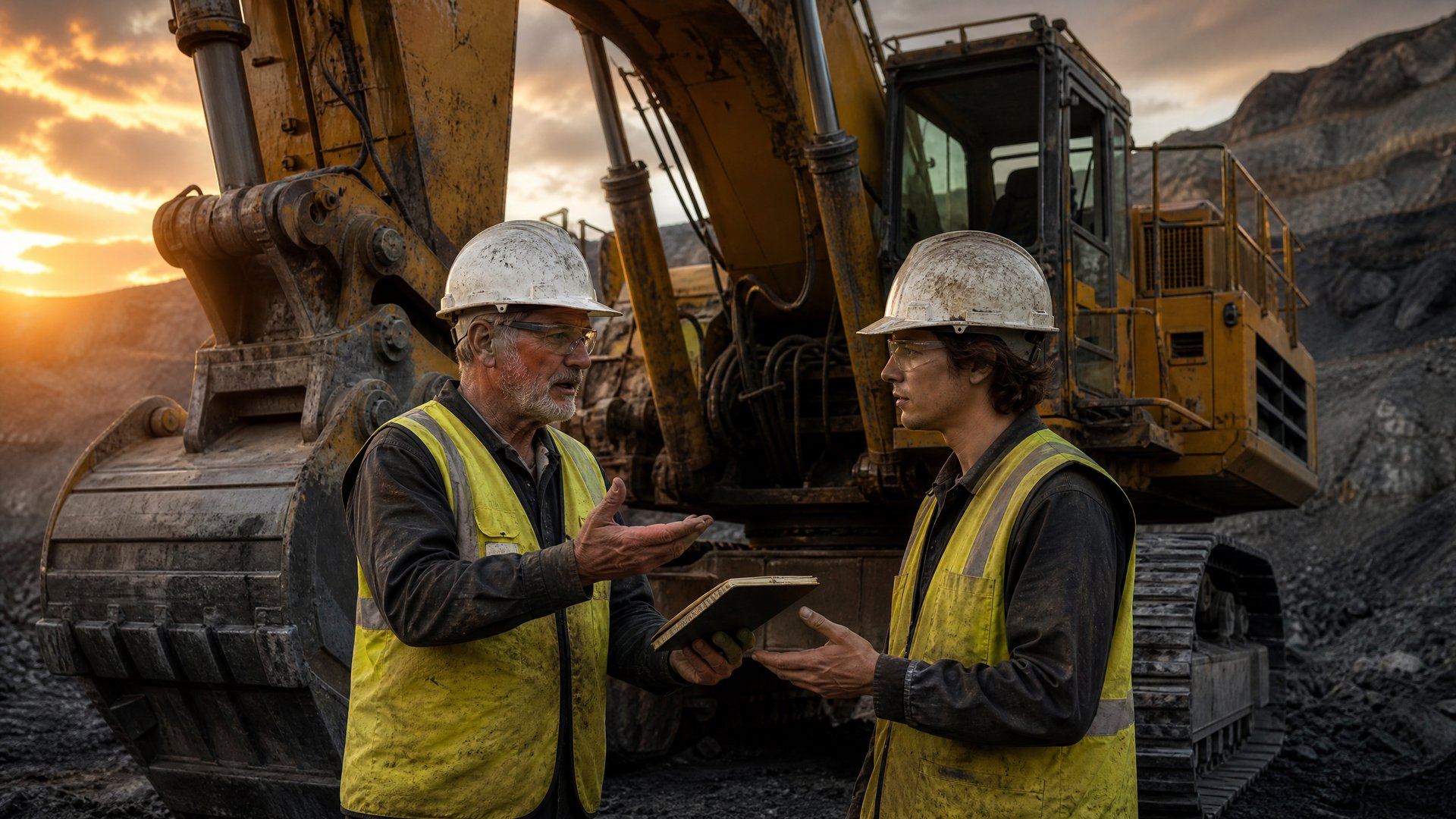
In mining and construction, your most valuable asset isn't the heavy machinery you operate or the raw materials you extract. It's the hard-won, frontline knowledge locked inside the heads of your most experienced operators and mechanics. Yet, most enterprises treat this knowledge as a disposable resource, allowing it to walk out the door when employees retire or move to competitors.
The reality is stark: uncaptured institutional knowledge is a massive, hidden cost center. When a seasoned mechanic leaves a mine site, they take decades of troubleshooting experience with them. When a master operator retires from a construction project, their nuanced understanding of how to coax maximum efficiency from a specific excavator goes with them. This isn't just a loss of expertise; it's a direct hit to your bottom line.
The Cost of Starting from Scratch
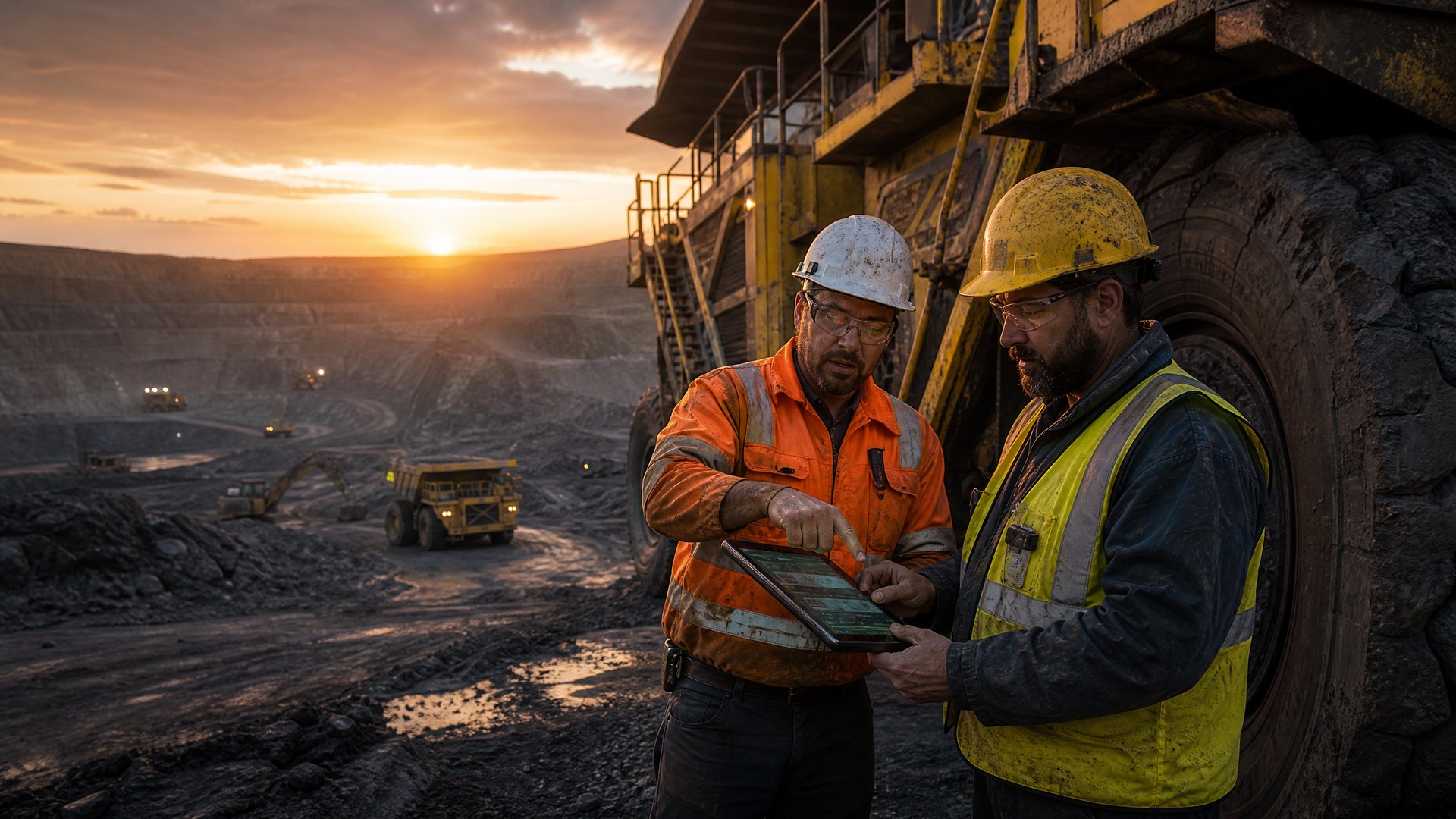
Consider a typical scenario on a remote mine site. A critical piece of equipment, say a haul truck, goes down with a complex hydraulic issue. The manual offers standard troubleshooting steps, but the problem persists. A veteran mechanic, who has seen this exact issue before, knows the undocumented workaround. But what if that mechanic is on leave, or worse, has left the company?
The resulting downtime is expensive. The team spends hours, perhaps days, diagnosing the problem from scratch. This scenario plays out daily across the industry, compounding into millions of dollars in lost productivity. The cost of uncaptured knowledge isn't just the time spent retraining new hires; it's the operational inefficiency, the repeated mistakes, and the extended downtime.
The most expensive knowledge is the knowledge you have to learn twice.
Transforming Knowledge into a Business Asset
To stop this drain on resources, heavy industry must shift its perspective. Knowledge can no longer be viewed as an individual attribute; it must be treated as a core business asset. This requires a systematic approach to capturing, storing, and distributing frontline expertise.
This is where a dedicated knowledge network becomes essential. By providing a platform for operators and mechanics to document their fixes, share their insights, and collaborate on complex problems, you create a living repository of institutional knowledge. This isn't about replacing manuals; it's about augmenting them with real-world, context-specific intelligence.
The ROI of a Knowledge Network
Investing in a knowledge network yields a tangible return on investment across several key areas:
| Area of Impact | Traditional Approach | Knowledge Network Approach |
|---|---|---|
| Onboarding | Slow, reliant on shadowing, inconsistent training quality. | Accelerated, access to a searchable database of past solutions and best practices. |
| Downtime | Extended troubleshooting, reliance on OEM support or trial and error. | Rapid resolution through peer-to-peer collaboration and historical data. |
| Safety | Lessons learned are often siloed or forgotten over time. | Safety incidents and near-misses are documented and shared instantly across the organization. |
| Retention | Knowledge leaves with the employee. | Knowledge is retained within the company, building a compounding asset. |
Real-World Application: Construction and Mining
In construction, a knowledge network can mean the difference between a project finishing on time or facing costly delays. For example, if a team encounters unexpected soil conditions while excavating, they can instantly query the network to see how similar challenges were handled on past projects. This immediate access to collective experience prevents costly rework and keeps the project moving.
In mining, where equipment operates in extreme conditions, the nuances of machine maintenance are critical. A knowledge network allows mechanics across different sites to share modifications and preventative maintenance strategies that extend the lifespan of critical assets. This proactive approach to maintenance significantly reduces unplanned downtime and lowers overall operating costs.
The Future is Connected Intelligence
The heavy industry landscape is becoming increasingly complex. To remain competitive, companies must leverage every available advantage. Capturing and utilizing institutional knowledge is no longer a nice-to-have; it's a strategic imperative.
By implementing a robust knowledge network, you transform your workforce from a collection of individuals into a connected, intelligent organism. You stop renting knowledge and start owning it. The ROI is clear: reduced downtime, faster onboarding, improved safety, and a compounding competitive advantage that grows stronger with every problem solved.