_converted(2).jpeg)

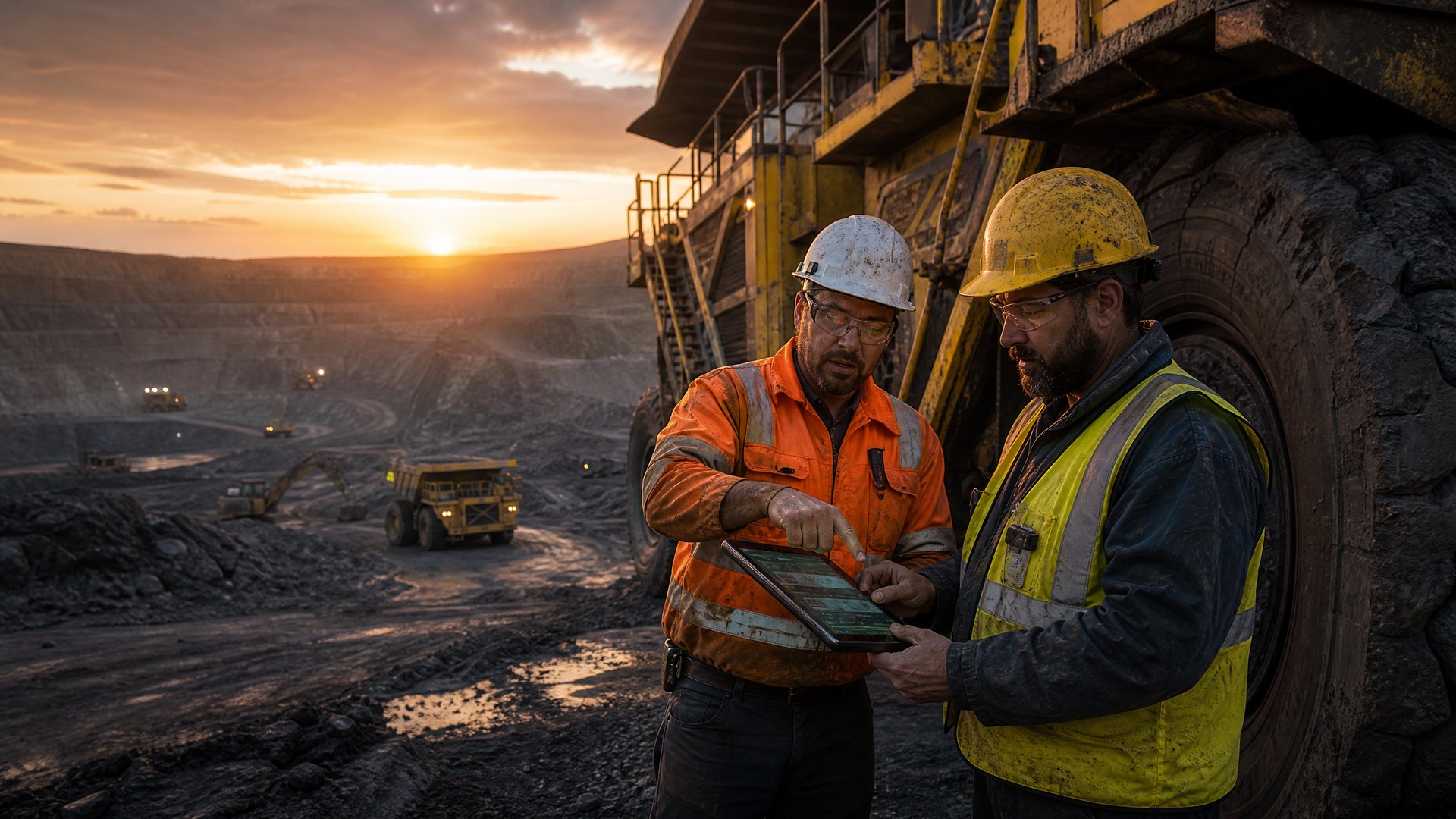
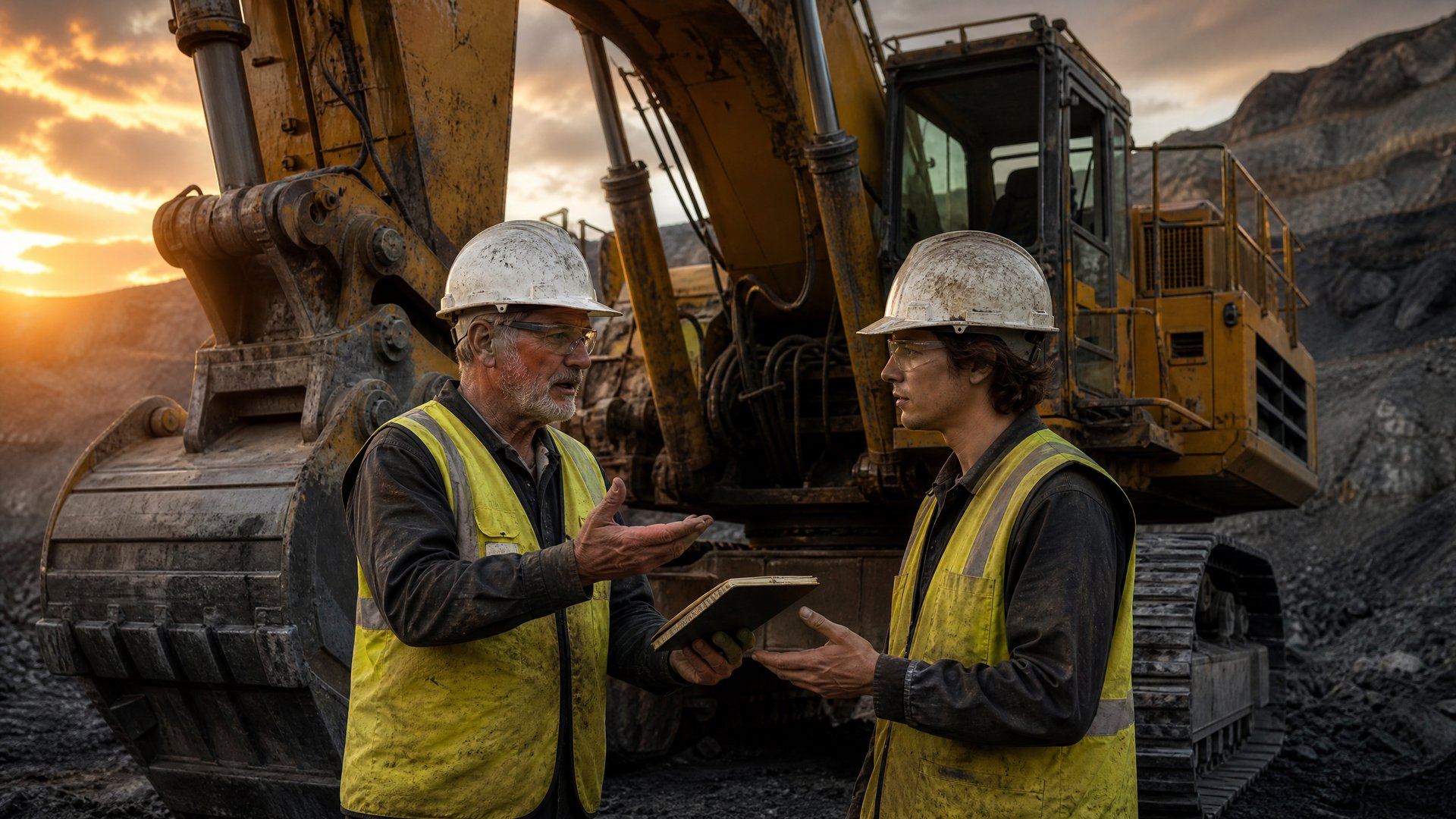
Critical operational data in mining and construction remains trapped in silos.
The Enterprise Knowledge Graph: Connecting the Dots Between Site and Strategy
In heavy industry, the difference between a minor delay and a multi-million dollar blowout often comes down to one thing: access to the right information at the right time. Yet, across mining and construction sites globally, critical operational data remains trapped in silos. Maintenance logs sit in one system, operator feedback in another, and OEM manuals in a dusty binder or a disconnected PDF drive. This fragmentation is costing enterprises heavily in lost productivity, repeated mistakes, and safety incidents.
The solution isn't just another database. It's an Enterprise Knowledge Graph—a structured, interconnected web of data that links people, equipment, processes, and outcomes into a single, queryable intelligence layer.
Why Relational Databases Fall Short on the Frontline
Traditional relational databases are excellent for structured, predictable data like payroll or inventory counts. But the reality of a construction site or a mining operation is anything but predictable. When a Hitachi excavator throws an obscure error code on a night shift, the solution isn't neatly categorized in a single table. It requires connecting the error code to the specific machine model, the environmental conditions, the maintenance history, and the undocumented workaround discovered by a senior mechanic three years ago.
"An Enterprise Knowledge Graph doesn't just store data; it understands the relationships between data points, turning isolated facts into actionable intelligence."
When data is siloed, operators and mechanics spend hours searching for answers, often relying on trial and error. A knowledge graph changes this dynamic by mapping the relationships between entities. It knows that Operator A works on Machine B, which has a history of Issue C, and that Mechanic D successfully resolved a similar issue at a different site last month.
Real-World Scenarios: Mining and Construction
To understand the practical impact of an Enterprise Knowledge Graph, consider these two scenarios:
Scenario 1: The Mining Equipment Breakdown
At a remote iron ore mine, a haul truck experiences a sudden loss of power. In a traditional setup, the operator radios maintenance, who then consults the OEM manual, checks the maintenance logs, and perhaps calls a specialist. This process can take hours, during which the truck is out of commission, costing thousands of dollars per hour.
With an Enterprise Knowledge Graph, the system instantly connects the truck's telemetry data with historical maintenance records, OEM guidelines, and previous operator reports across the entire enterprise. It identifies that this specific power loss pattern, combined with the current high ambient temperature, is likely caused by a failing sensor—a known issue documented by a team at a different site. The mechanic is dispatched with the correct part immediately, reducing downtime from hours to minutes.
Scenario 2: The Construction Site Delay
On a large-scale commercial construction project, a team encounters unexpected soil conditions that threaten to delay the foundation pour. The project manager needs to know if similar conditions have been encountered on past projects and what mitigation strategies were effective.
Instead of digging through archived project files or relying on the memory of senior staff, the project manager queries the knowledge graph. The system links the current soil report to a project completed two years ago in a similar geological area, retrieving the specific engineering adjustments made and the contact information for the geotechnical engineer who approved them. The team adapts their approach the same day, keeping the project on schedule.
The ROI of Connected Intelligence
Implementing an Enterprise Knowledge Graph isn't just an IT upgrade; it's a strategic business decision with measurable ROI. By connecting the dots between site and strategy, enterprises can achieve:
| Benefit | Impact on Operations |
|---|---|
| Reduced Downtime | Faster problem resolution through instant access to connected historical data and cross-site insights. |
| Improved Safety | Proactive identification of risk patterns by linking incident reports, equipment data, and environmental factors. |
| Knowledge Retention | Capturing the undocumented expertise of senior staff and making it accessible to the entire workforce. |
| Optimized Maintenance | Moving from reactive to predictive maintenance by analyzing the complex relationships between usage patterns and component failures. |
Building the Foundation for AI
Perhaps the most significant advantage of an Enterprise Knowledge Graph is that it serves as the foundational layer for advanced AI applications. AI models, such as Large Language Models (LLMs), are only as good as the data they are trained on. When an LLM is layered on top of a knowledge graph, it can provide highly accurate, context-aware answers to complex queries, effectively becoming an expert assistant for every worker on site.
The future of heavy industry belongs to those who treat knowledge as their most valuable asset. By breaking down data silos and building an Enterprise Knowledge Graph, mining and construction companies can transform their operations, ensuring that the right information is always in the hands of the people who need it most.