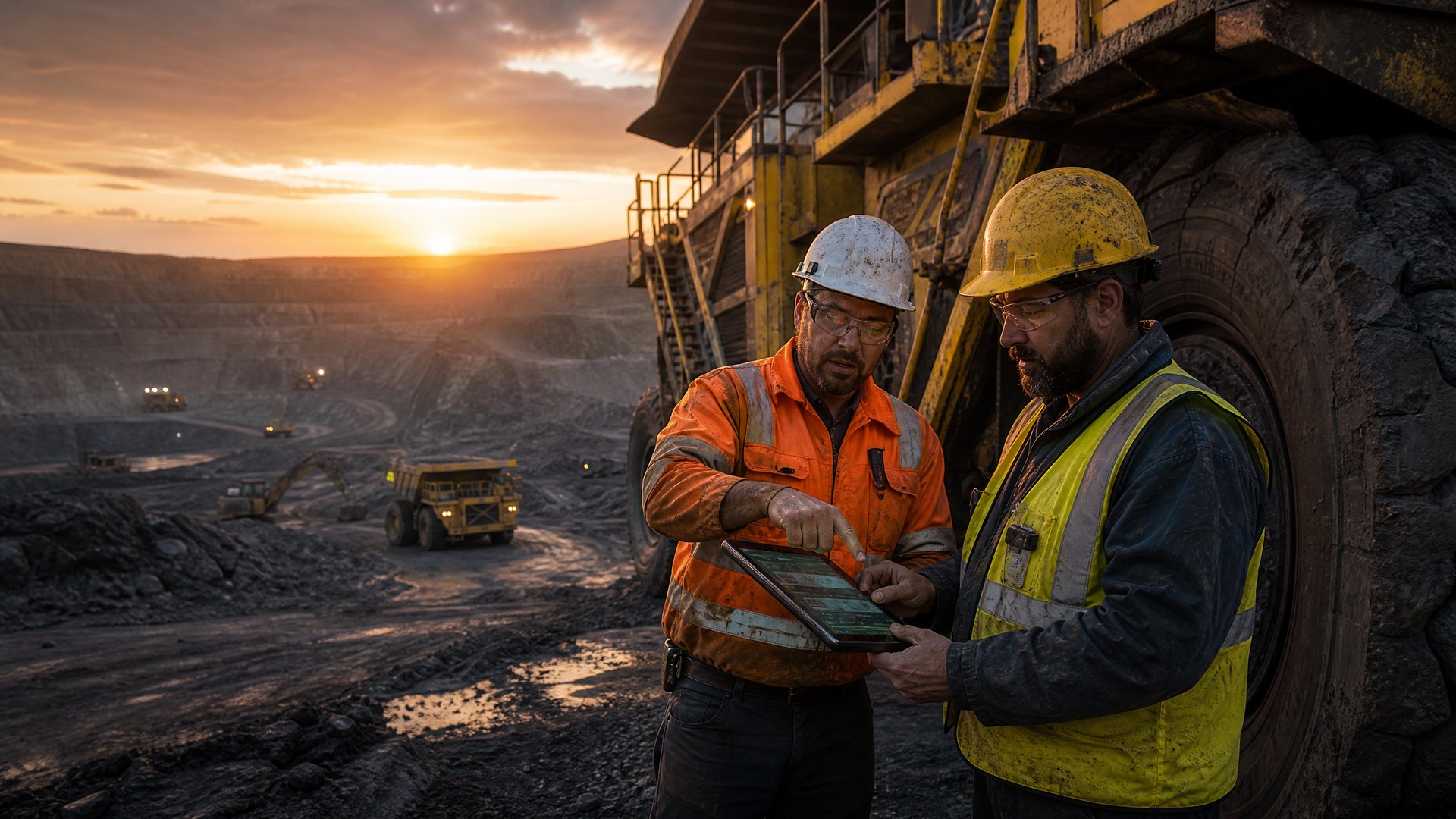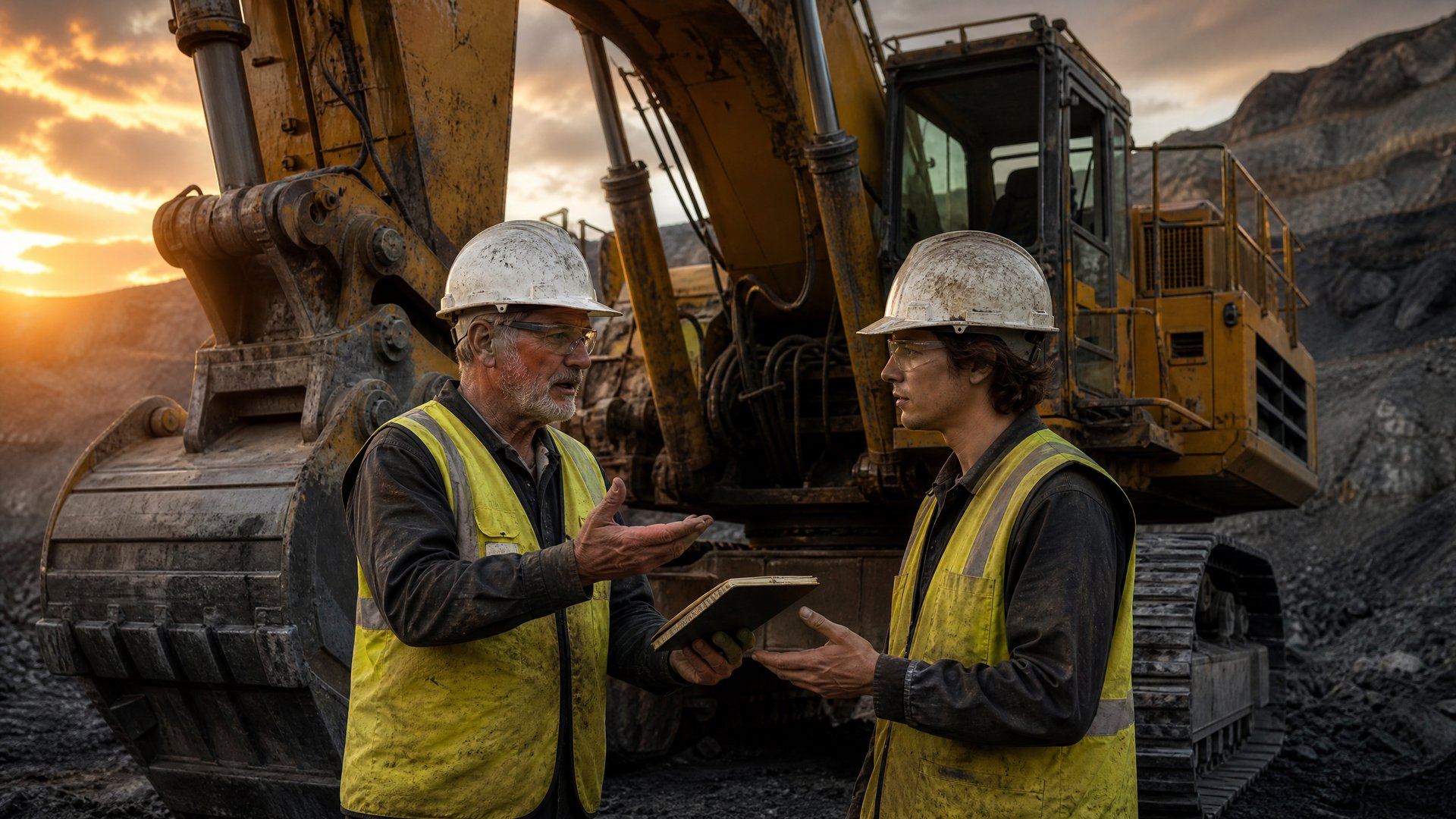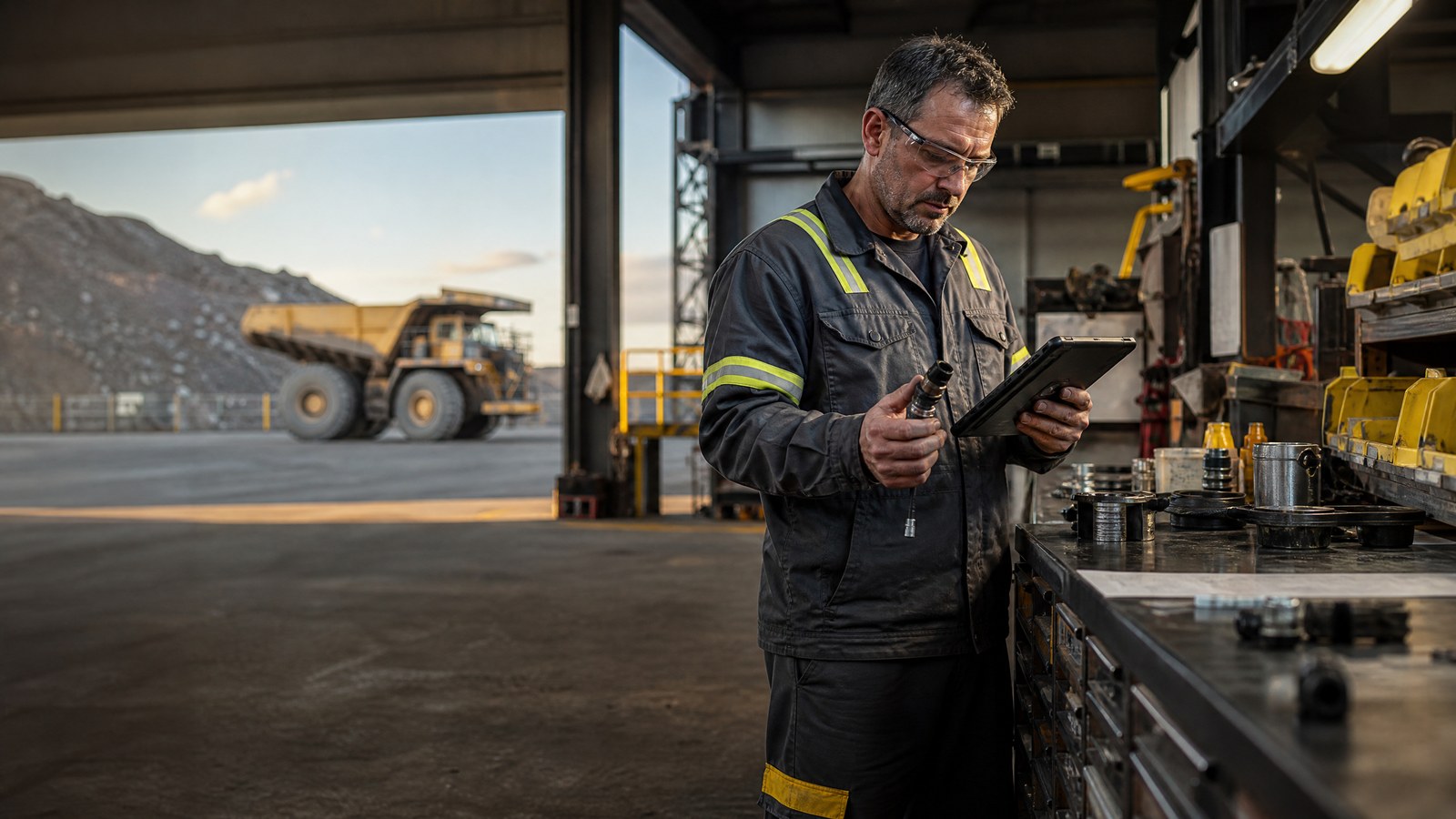

Master your first month with a mining equipment network using role-based routines, KPI-friendly habits, and proven daily workflows for new operators.
Turn Your First 30 Days Into a Career Advantage
Your first 30 days on a mining or construction site can follow you for years. The habits you build now shape how safe you work, how fast you learn, and how supervisors talk about you when your name comes up. Early on, you are setting your own baseline for how you handle machines, people, and pressure.
A mining equipment network gives you extra support from day one. Think of it as your second crew, a global group of operators, owners, and technicians who have already been through the problems you are about to see. Instead of guessing, you can tap into real stories, fixes, and tips made for the exact kind of iron you run.
In this playbook, we walk through what to do in your first month with a mining equipment network: the role you play, simple routines for each week, and KPI-friendly habits that help you stand out. Spring makes this even more important, especially as sites ramp up after winter, haul roads soften, and production pressure kicks up with longer daylight. You do not need to know everything yet, but you do need a smart way to learn fast and stay safe.
Know Your Role in the Knowledge Network
On any site, every person has a job. A mining equipment network works the same way. There are three main types of people inside the network, and you are likely one of them.
• New operators, still getting seat time and building confidence
• Seasoned operators, who know the quirks of each machine and bench
• Technicians and maintainers, who keep equipment running and safe
As a new operator, good participation is not about pretending to be an expert. It is about being clear and curious. That looks like:
• Asking specific questions about your machine, not just “What is wrong?”
• Sharing quick notes on how your unit is acting in today’s conditions
• Logging small wins, like lower idle time or smoother cycles after a tip
• Flagging early issues before they become big breakdowns
Supervisors can also plug into the same mining equipment network. Many use tools like Torqn to:
• Mark must-read threads for new hires on certain models
• Assign topics, like “Read 3 posts on wet weather braking”
• Point out proven best practices for loading, dumping, or road travel
When everyone plays their part, the network feels less like an app and more like an extra shift of experienced people backing you up.
Week One: Build Safe, Smart Information Habits
Your first week should not just be about learning controls. It should be about setting up simple information habits that stick. Here is a basic rhythm that works well.
Morning pre-start:
• Do your normal walk-around and checks.
• Open the app and search your machine model.
• Scan for common failure modes, warning signs, or recent threads on spring conditions like soft ground or muddy ramps.
Mid-shift notes:
• When you notice something odd, jot a quick note or snap a photo in the app.
• Tag it with your machine type and site conditions, like “wet clay, cold morning, heavy load.”
• If it feels like a safety issue, pause and raise it with your supervisor first, then log what you learned.
End-of-shift reflections:
• Spend five minutes saving posts that helped you that day.
• Write a short reflection: what felt smooth, what felt risky, what you want to ask about tomorrow.
Safety comes first in all of this. Use the mining equipment network to search for:
• Near-miss stories on similar machines
• Checklists that match your model and attachment setup
• Tips for handling spring thaw, frozen ruts, or changing visibility
Early in week one, set up your operator profile in Torqn. Include:
• Machine types you run or will run soon
• Typical site conditions like hard rock, sand, or muddy haul roads
• Your experience level, even if you feel “brand new”
This helps the network send you more focused insights so you are not buried in noise.
Weeks Two and Three: Turn Insights Into Measurable KPIs
Once you are through the first few shifts, you can start turning ideas from the network into real numbers. Even as a rookie, you have a big impact on key KPIs.
Common KPIs you can influence quickly include:
• Fuel efficiency and idle time
• Tire or track wear and abuse
• Cycle consistency and smoothness
• Minor unplanned downtime from operator error
Match these KPIs to simple Torqn routines:
• Save best-practice posts on throttle control, bucket fill, or haul road speeds.
• Join troubleshooting threads when your machine shows similar symptoms.
• After trying a tip, log what you changed and how the machine behaved.
Spring ramp-up is a perfect time to use the mining equipment network as a feedback loop. While roads dry, water trucks get busy, and loads pick up, compare:
• Your idle time before and after changing your warm-up routine
• Your cycle times on muddy days versus dry days
• Your tire or track condition as you adjust turning habits or dump approaches
You do not need exact numbers to start. Even simple notes like “felt smoother, fewer alarms, less spinning” help you and others see progress.
Week Four: Contribute Like a Pro, Even as a Rookie
By week four, you are still new, but you are not totally green. This is the right time to start giving back to the mining equipment network in small, clear ways.
Helpful contributions might look like:
• Confirming that a suggested fix worked on your machine
• Posting “before and after” photos of correct vs incorrect setups
• Sharing what you changed when spring weather turned to steady rain or hot afternoons
You can also document a simple mini case study to build your reputation:
• Problem: Describe the symptom and warning signs.
• Conditions: Note weather, material type, and any unusual factors.
• Steps taken: List which tips from Torqn you tried, and in what order.
• KPI impact: Explain what got better, even if it is just “no more alarms, smoother cycles.”
At your 30-day mark, do a short self-review:
• What have you learned about your machine and your site?
• Which KPIs have moved in a better direction since day one?
• Which Torqn habits, like daily notes or weekly reading, feel most helpful?
This is not about perfection. It is about showing yourself and your leaders that you are learning on purpose, not by accident.
Lock in Your 90-Day Edge with Repeatable Routines
Once you hit 30 days, the goal is to keep the momentum going. A simple weekly checklist helps you build a 90-day edge that sticks through summer heat, dusty roads, and longer shifts.
Try a short weekly routine like:
• Review top threads for each machine you touch.
• Follow a few operators or technicians who work in similar climates or materials.
• Revisit saved posts and confirm which tips you have actually applied.
• Update your notes on KPIs you care about, like idle time or tire wear.
When operators, supervisors, and technicians use the same mining equipment network, they can also align around shared habits:
• Standard tags so issues are easy to find across crews
• Simple templates for posting problems and fixes
• Agreed target KPIs everyone watches together
At Torqn, we built our global knowledge network to support this kind of long-term learning, not just quick answers. Use it to sketch out a 30-to-90-day learning track for each machine you run. Over time, those small, steady habits can turn your first season on site into a real performance advantage that people notice.
Connect Your Operation To A Smarter Mining Equipment Network
If you are ready to streamline procurement, maintenance, and performance across sites, we can help you plug into a purpose-built mining equipment network. At Torqn, we bring your data, vendors, and teams together so you can make faster, more confident decisions. Partner with us to reduce downtime, improve asset utilization, and keep projects on schedule. Reach out today and see what a connected fleet can do for your bottom line.