
Learn how a construction knowledge network closes info gaps, speeds decisions, and keeps operators, mechanics, and managers aligned in the field
When Critical Know-How Fails to Reach the Jobsite
Construction work moves fastest when the right people, the right machines, and the right know-how all show up at the same time. Tight spring and summer schedules, long daylight hours, and full equipment use do not leave much room for guessing or trial and error. When information lags behind the work, even small delays can grow into missed milestones and long days for everyone.
On most crews, the real problem is not a lack of skill or bad iron. The problem is how knowledge moves, or does not move, between operators, mechanics, managers, and different jobsites. That web of people and information is what we call a construction knowledge network. It includes:
• The veteran operator who knows every quirk of a certain dozer
• The mechanic who has seen the same fault code five times
• The OEM reps, manuals, telematics, and internal notes everyone leans on
When that network is slow, scattered, or hidden, crews lose hours chasing answers and repeating the same mistakes. At Torqn, we built a global knowledge network and mobile app around industrial equipment to help close those gaps. Below are some of the most common weak spots we see in construction knowledge networks and how better, real-time sharing can help crews move faster as peak season hits.
Slow Access to Frontline Equipment Wisdom
On many jobs, the best equipment knowledge lives in a few places:
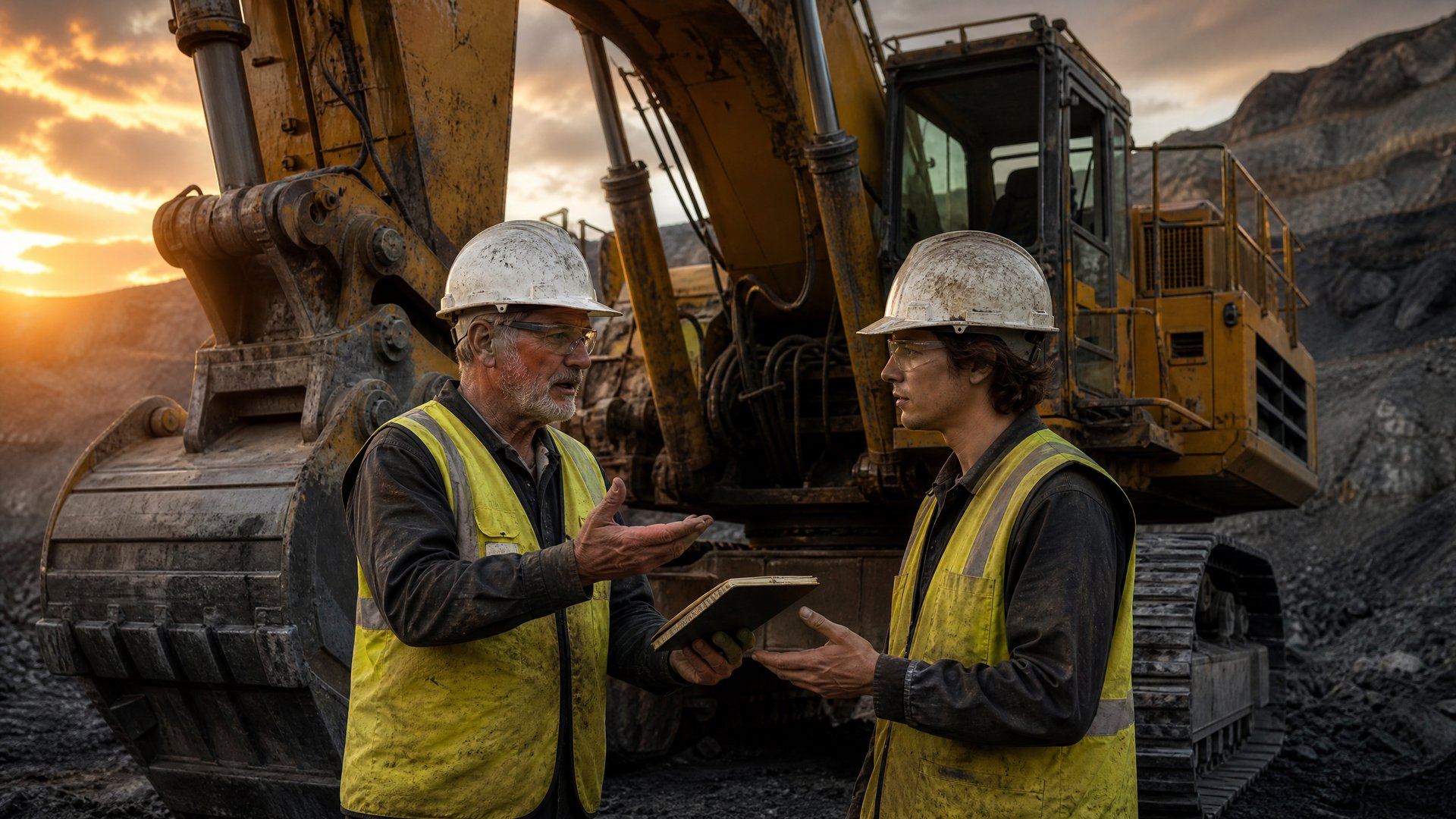
• In the heads of senior operators and mechanics
• In text threads that only some people see
• In a worn notebook tossed on the dash of a truck
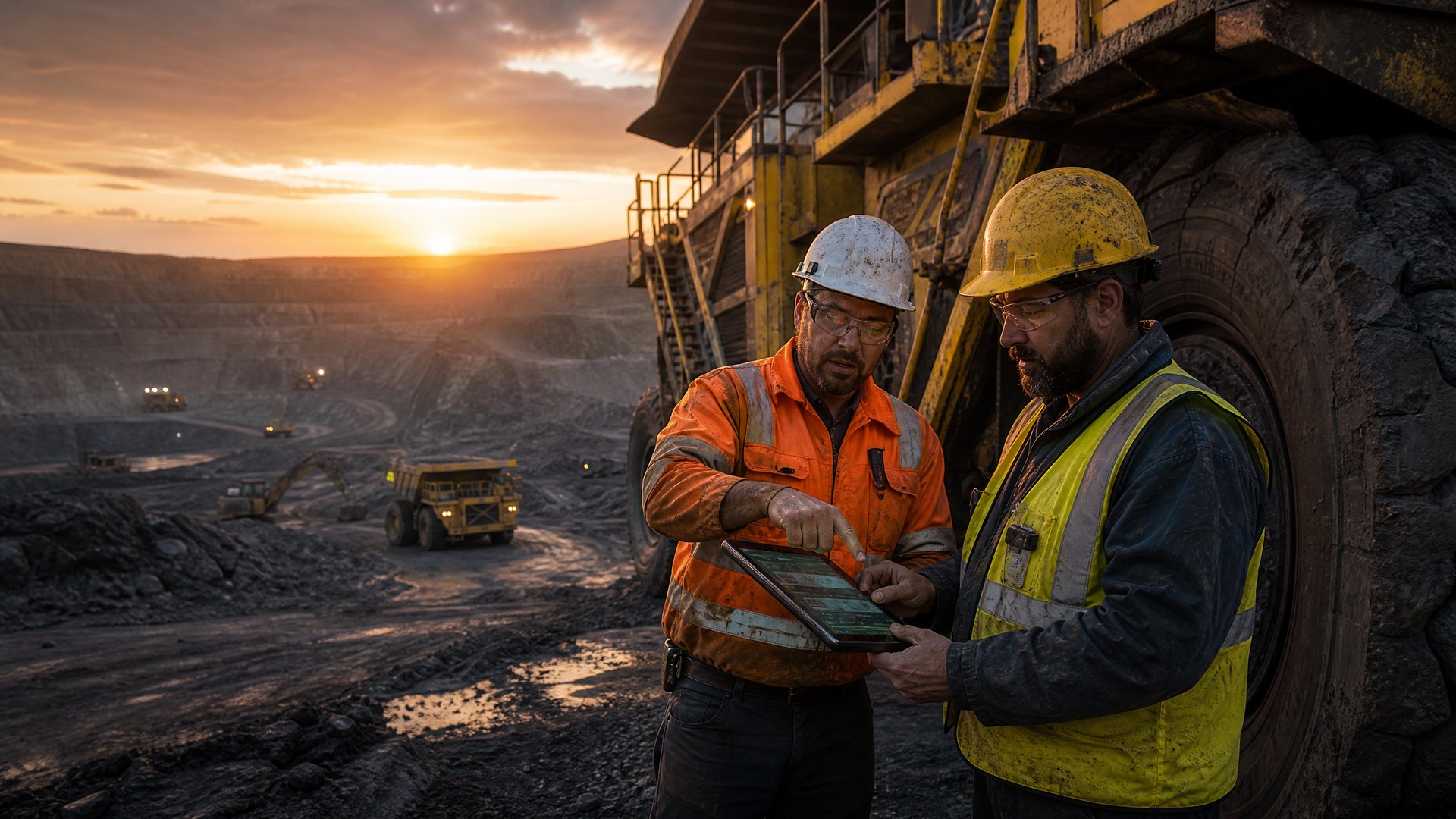
When a newer operator is running an excavator on a wet spring morning and feels something off, they often guess or scroll through old messages. The night crew on a haul road might stare at the same warning light, unsure if they should shut down or keep rolling. While they hunt for the “right person” to call, trucks idle, schedules slide, and tempers rise.
During the busy spring and summer stretch, machines are often:
• Running double shifts
• Working in mud, rain, heat, and dust
• Booked tight to support concrete, utilities, and paving
A 30-minute pause to chase a tip that only one person knows does not show up on any report, but it hits production and profit on almost every project.
A stronger construction knowledge network changes that. When frontline wisdom is captured in a shared space, crews can quickly see:
• Tricks for how a certain excavator behaves in wet ground
• Common issues on a specific compactor model
• Simple checks to reduce wear when temps spike in the afternoon
With Torqn, operators and mechanics connect by make, model, and problem. Once one crew solves an issue, that answer is no longer stuck in one phone. It becomes available to others running the same iron, even on the other side of the world.
Fragmented Communication Between Sites and Shops
Another common gap sits between the field and the shop. Communication tends to get spread across:
• Radio chatter that disappears the moment you change channels
• Group texts and photos that never reach the right manager
• Whiteboards and notes on the shop wall that field crews never see
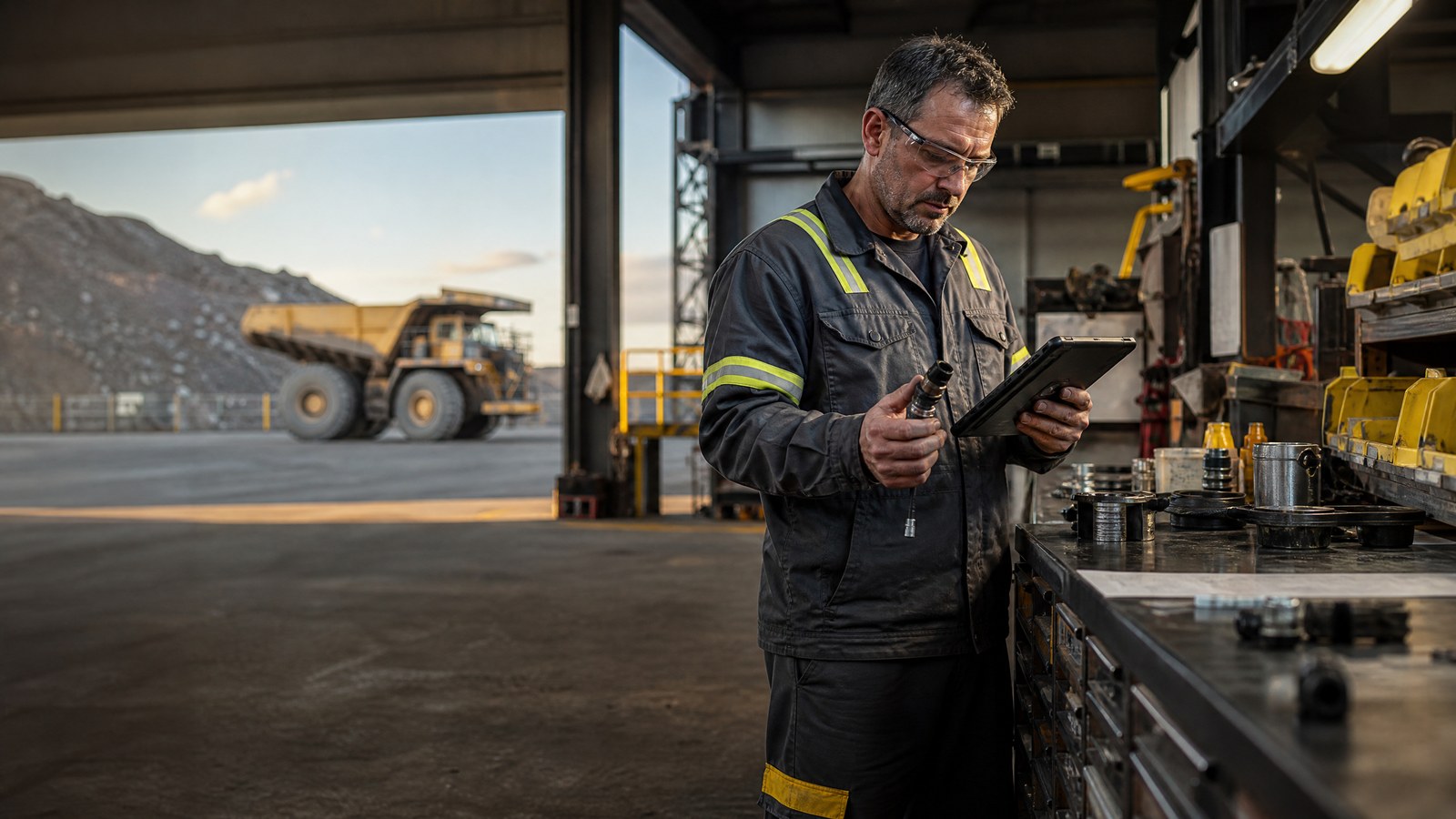
In the busy months, maintenance teams are buried in service calls and preventive work. Without a clear view of what is really happening on each site, they often end up reacting to the loudest problem of the day. A loader keeps coming back with the same overheating issue, or a dozer returns to rough rock with undercarriage problems that were never fully addressed.
The result is:
• Rushed repairs with missing context
• Repeat failures on the same components
• Lost trust between operators and the shop
A strong construction knowledge network pulls these threads together. Instead of scattered messages, equipment discussions sit in one shared place, tagged by:
• Make and model
• Component or system
• Fault code or symptom
That way, maintenance teams can spot patterns across several jobs. Maybe several loaders are running hot in spring mud. Maybe certain dozers see faster undercarriage wear in rocky summer cuts. At the same time, operators see shop notes and advice right where they look for help. Torqn connects operators, mechanics, and managers directly around machines and failure modes, so the gap between “what is happening” and “who should know” gets a lot smaller.
Lost Lessons From Seasonal and Project Cycles
Construction often runs in the same seasonal loops. We deal with spring thaw and mud, late rain, summer heat, dust, and long days that stretch into night work. Crews learn how their equipment behaves in those conditions, then many of those lessons fade when the season changes or the project ends.
Every year, people relearn:
• How certain trucks haul in soft or frozen ground
• How to warm up machines on cool mornings to avoid early failures
• How to keep cooling systems clean when the air is hot and dusty
Turnover makes this even tougher. When experienced operators and mechanics retire or move on, they take years of field tricks with them. New hires, under pressure to keep up, often experiment in real time. That leads to slower cycles, more stress, and avoidable breakdowns.
A healthy construction knowledge network keeps those lessons from vanishing. Seasonal wisdom becomes:
• Searchable threads on best-hauling settings in spring conditions
• Shared routines for cold starts that reduce failure early in the day
• Field-tested filtration and cleaning tips for dusty summer work
Because Torqn connects crews across regions and countries, people can see how the same equipment is run in different climates. A manager planning for an upcoming hot, dry stretch can learn from someone running the same model in similar conditions elsewhere. Over time, this builds a stronger playbook instead of starting at zero each season.
Underused OEM, Telematics, and Manual Data
Most construction teams already have access to a lot of information:
• OEM manuals and service bulletins
• Telematics alerts and dashboards
• Internal standard procedures and notes
The problem is not the lack of data; it is getting the right piece into the hands of the right person at the right moment. An operator halfway through a tough day is not going to flip through a thick manual to decode a warning light. A mechanic staring at a fault code with a project manager asking for an ETA may not have time to sort through several dashboards and emails.
There is also a gap between official instructions and what actually happens on a live job. Manuals rarely talk about:
• Overloads when schedules are tight
• Mixed fleets from different makers on one site
• Less-than-perfect ground or weather
So crews lean on trial and error instead of pairing OEM instructions with real field experience.
A modern construction knowledge network helps bridge that gap. People can:
• Attach comments and photos to certain codes or issues
• Share step-by-step fixes that worked in real conditions
• Combine telematics alerts with simple checks and actions
In Torqn, that means when someone sees a certain error or symptom, they can quickly review how others handled it, what worked, and what did not. Static data becomes living, field-tested know-how that crews can use in minutes instead of hours.
Turn Your Crew Into a Connected Knowledge Force
When peak construction season hits, many teams think first about more equipment or more people. Those things matter, but one of the biggest gains often comes from fixing how knowledge moves through the fleet. When operators, mechanics, and managers are tied together through a strong construction knowledge network, they spend less time guessing and more time moving dirt, pouring, grading, or hauling.
A simple starting point is a quick look at how knowledge flows today:
• Where do operators go for help right now?
• How quickly do mechanics hear about repeating issues?
• Which seasonal lessons are written down anywhere at all?
At Torqn, we built our global knowledge network and mobile app specifically around industrial equipment because we kept seeing the same hidden slowdowns. When crews share what works and what fails, in real time, one solved problem on one job can quietly speed up every project that follows. Over time, that is how a normal crew becomes a connected knowledge force around the machines they rely on every day.
Unlock Practical Construction Insights With Torqn Today
Tap into our expertise and connect with a proven construction knowledge network that helps you solve real project challenges faster. At Torqn, we bring together field-tested insights, tools, and people so you can make better decisions with confidence. Explore how our approach streamlines learning, reduces rework, and keeps your teams aligned from planning through delivery. Start leveraging the collective experience of construction professionals who understand the pressures you face every day.