
Learn a practical onboarding plan to launch a construction knowledge network for new operators with clear roles, workflows, and 90 day content ideas.
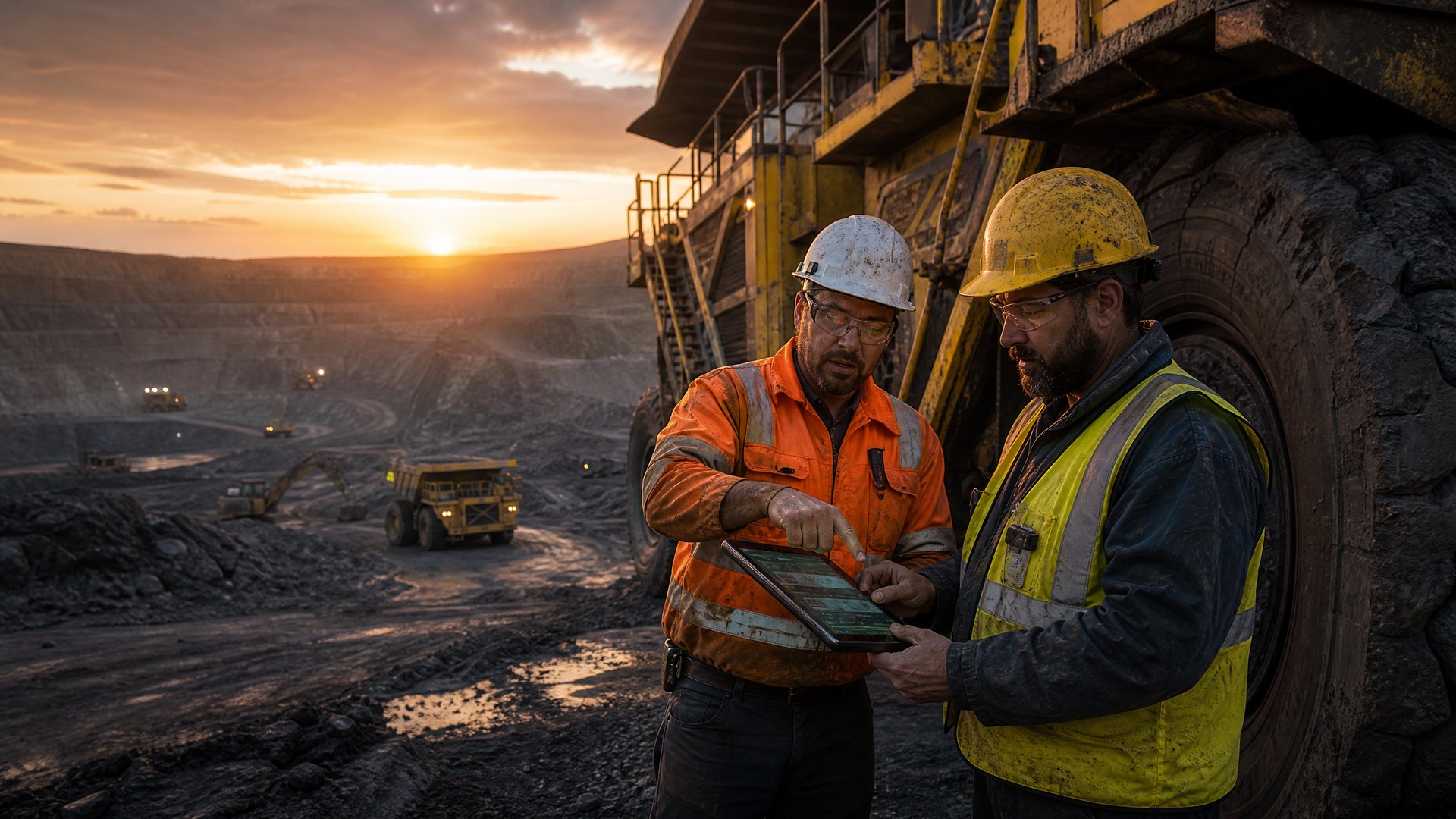
New operators need more than a hard hat, a quick walkaround, and a login. They need a clear way to learn from the best people on site, see how work really gets done, and ask questions without slowing the job. That is where a construction knowledge network comes in, built for real iron, real soil, and real shift pressure.
In this guide, we break down how to set up that network so new operators become confident, safe contributors fast. We will walk through roles, daily workflows, and a simple first 90-day content plan that fits the rhythm of mining and construction sites, from snow melt to peak summer production.
Turn New Operators Into Confident Contributors Faster
Hiring is tight, projects are stacked, and machines need to keep moving. When a new operator shows up, you cannot wait months for them to learn the ropes by trial and error. Every mistake can mean downtime, rework, or a safety risk.
A construction knowledge network is the mix of people, repeatable processes, and tools that turn tribal knowledge into something new operators can search, save, and share. It connects:
• Operators
• Maintainers and techs
• Supervisors and foremen
• OEM support and reps
• Safety and training leads
Instead of tips living only in one person’s head, they live in one shared space. The blueprint below gives you a practical 90-day plan to shorten time to productivity, cut rookie errors, and keep machines working through the busiest months.
Build the Foundation of Your Construction Knowledge Network
First, we map who is in the network and what they need on day one. Every group should have a clear reason to log in.
For example, you might define:
• Operators: quick answers to “what do I do right now?”
• Maintainers: patterns in recurring faults and better job plans
• Supervisors: a way to push updates and see what people read
• Safety: one place for current rules and lessons learned
Next, pick a single platform to act as your one source of truth so you are not bouncing between chats, paper, and old emails. Tie it to tools you already use, like telematics feeds, maintenance systems, or learning platforms, so content does not get trapped in separate places.
Then build a simple content structure. Keep it obvious and repeatable. For example, organize by:
• Machine type, model, and fleet ID
• Site or region
• Task type, such as loading, hauling, drilling, or lifting
• Fault codes and warning messages
Set standard tags and naming rules. If every post on a machine walkaround starts the same way, new operators can scan and find what they need in seconds, not hours.
Define Clear Roles That Make Knowledge Flow Daily
A network with no owners turns messy fast. You need a few clear hats so people know what part they play.
Knowledge Owners look after each fleet group, such as haul trucks, loaders, or drills. Their job is to:
• Curate the best content
• Retire old posts that no longer match current practice
• Run seasonal checks before big weather changes
Frontline Contributors are your experienced operators and maintainers. We treat them like micro mentors. With a mobile app, they can post:
• Quick fix steps straight from the field
• Short videos and phone photos with notes
• “Do this, not that” tips linked to machine types
Governance and Safety Champions keep an eye on high-risk topics. They approve or flag:
• Lockout steps
• Lifting and working at height procedures
• Changes driven by OEM bulletins or new rules
With roles in place, knowledge can move every day without turning into a free for all.
Design Workflows That Fit Real-World Job Sites
If the network does not fit the job, people will ignore it. So we start with how work actually happens on site.
For capture in the moment, set simple workflows like:
• Any breakdown gets a quick post: machine, fault, symptoms, fix
• Any workaround gets documented as a draft for review, not a new standard
• Any near miss turns into a short lesson with photos where safe
Use daily and weekly site routines as anchors. For example:
• Toolbox talks point to a short thread in the network
• Start of shift briefings highlight one key procedure or tip
• End of shift debriefs capture “what caught us out today”
Feedback loops keep content useful. Inside a platform like Torqn, operators can react, comment, or answer short polls. Knowledge Owners can see:
• Which posts get views but no likes, a hint that content is confusing
• Which topics keep pulling questions, a sign that more training is needed
Over time, this turns your network into a live reflection of real work, not a dusty library.
Plan a First 90 Day Content Roadmap for New Operators
A new operator’s first 90 days should feel guided, not random. We like to break it into three clear phases.
Days 0 to 10, orientation:
• Simple equipment overviews with photos and basic terms
• Site rules, radio etiquette, and traffic patterns
• Must-know safety content for the current season
• A starter playlist of top threads to read or watch
Days 11 to 45, skills ramp up:
• Machine-specific checklists for startup, shutdown, and handover
• Common fault scenarios and first response steps
• Short “watch and copy” clips from your best operators
• Clear “when to call for help” guides
Days 46 to 90, from consumer to contributor:
• Easy posting templates for tips and questions
• A simple peer challenge, such as “share one small trick that helped you this week”
• Guided Q&A where questions and answers stay inside the network
By day 90, the operator is not just taking knowledge out, they are putting new insight back in.
Turn Seasonal Peaks Into Learning Accelerators
Spring and summer can mean soft ground, heat, dust, and longer shifts. That pressure exposes weak spots in both skills and systems.
To get ahead of that, build seasonal playbooks and pin them where operators can reach them fast. Include:
• Ground conditions, like ramp care and wet weather driving
• Heat stress reminders tied to start of shift checks
• Extra focus on fatigue, seat time, and hydration
Use your own seasonal patterns to refresh content. Look at which machines struggled, which parts failed, and where incidents clustered. Turn these into short, clear posts or checklists a few weeks before the next busy stretch.
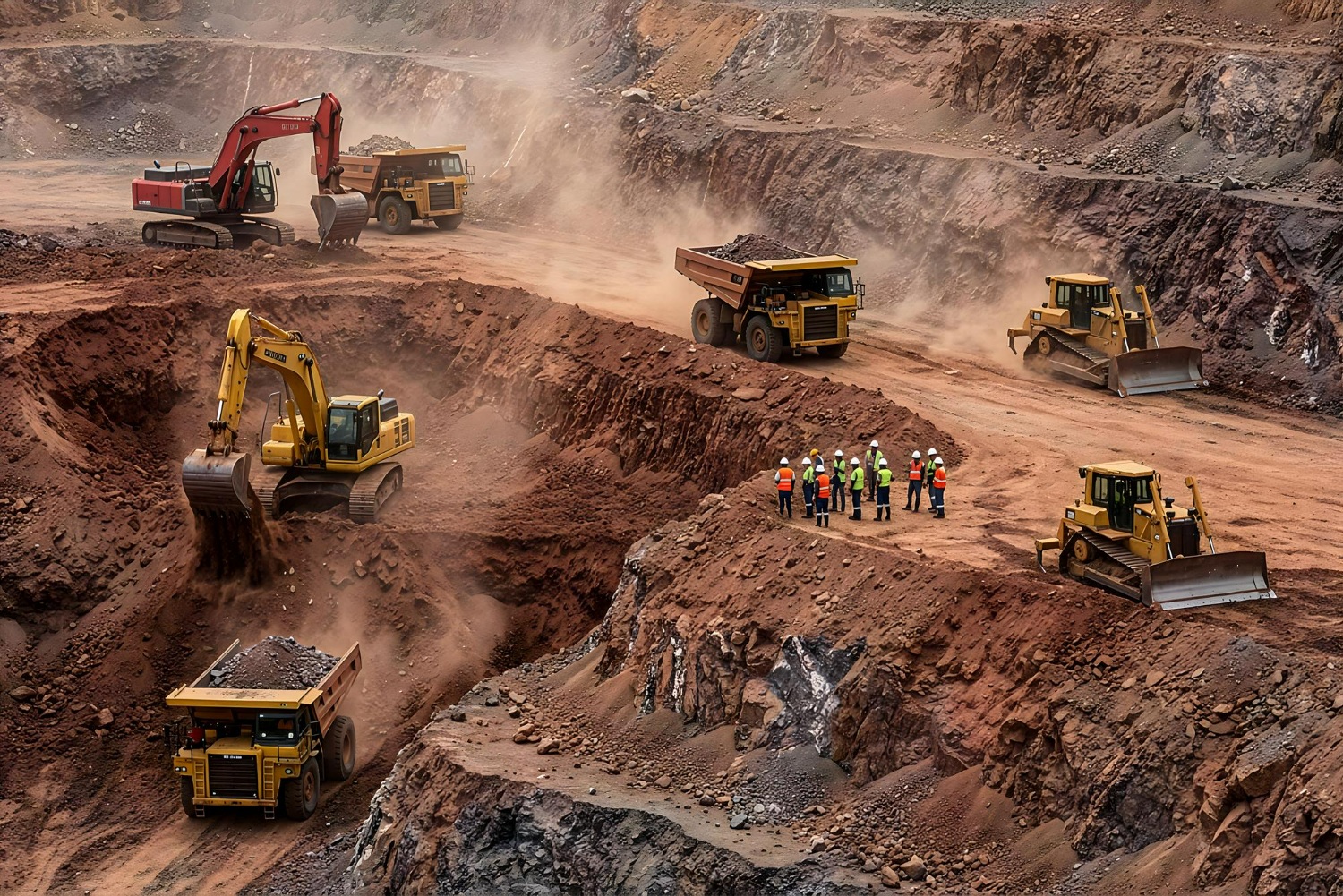
Cross-site learning is where a true construction knowledge network shines. When one site works out a better shift pattern or a smarter maintenance interval, you capture that once, then share it across regions in a structured format instead of starting from zero each time.
Launch Your Network and Keep It Alive
A focused pilot makes change feel safe. Start with one crew or one machine family. Define what success looks like, for example:
• Faster time to first answer when someone gets stuck
• Fewer repeated questions for supervisors and planners
• Cleaner handovers between shifts or between operators and maintainers
Use the pilot month to tighten your workflows, role clarity, and content structure before you roll out across more sites.
Long-term, keep energy high by recognizing people who share. Simple shout outs at toolbox talks, a few digital badges inside the app, or notes in performance reviews can all show that knowledge work matters as much as physical work.
Set a steady 12-month rhythm. Every quarter, review:
• Content that needs updating or archiving
• Roles that need backup or rotation
• New machines, new projects, and new safety rules that should shape the network
At Torqn, we built our global knowledge network and mobile app around these exact patterns so operators, maintainers, and owners can share real-world insights without slowing the job. When your construction knowledge network runs like this, every new hire steps into a living system that gets a little smarter every single shift.
Join a Proven Network to Strengthen Every Stage of Your Build
Tap into our construction knowledge network to connect field experience with data-driven insights for your next project. At Torqn, we help teams close information gaps so decisions are faster, risks are clearer, and execution is more consistent. Whether you are refining preconstruction planning or troubleshooting in active operations, we provide the structure and tools to share what works. Start building a more resilient, informed approach to every job.