
Industrial AI improves when every fault, fix, inspection, workaround, and operator observation becomes connected asset event memory.
Industrial AI needs memory, not just answers
Most heavy industry data systems still treat each event as a separate record. A fault code lives in one system, an inspection photo in another, a work order in a maintenance platform, a radio conversation in somebody's memory, and the manual in a static document library. Each piece may be useful on its own. The problem is that the machine does not fail in separate systems.
When a haul truck, dozer, drill, crusher, or excavator develops a repeat issue, crews need more than the latest reading. They need to understand what has happened before, what was tried, what worked, what failed, who verified it, and whether the current conditions match the earlier event. That is asset event memory.
Asset event memory turns scattered operational records into a practical timeline of what the machine has lived through and what the organisation has already learned.
The gap between telemetry and judgement
Telemetry is valuable, but it does not explain everything. A sensor can show temperature drift, pressure variation, utilisation, location, or idle time. It cannot always explain whether a component was replaced with a revised part, whether a temporary workaround became normal practice, whether an operator noticed a noise before the alarm appeared, or whether the same symptom appeared after the last service.
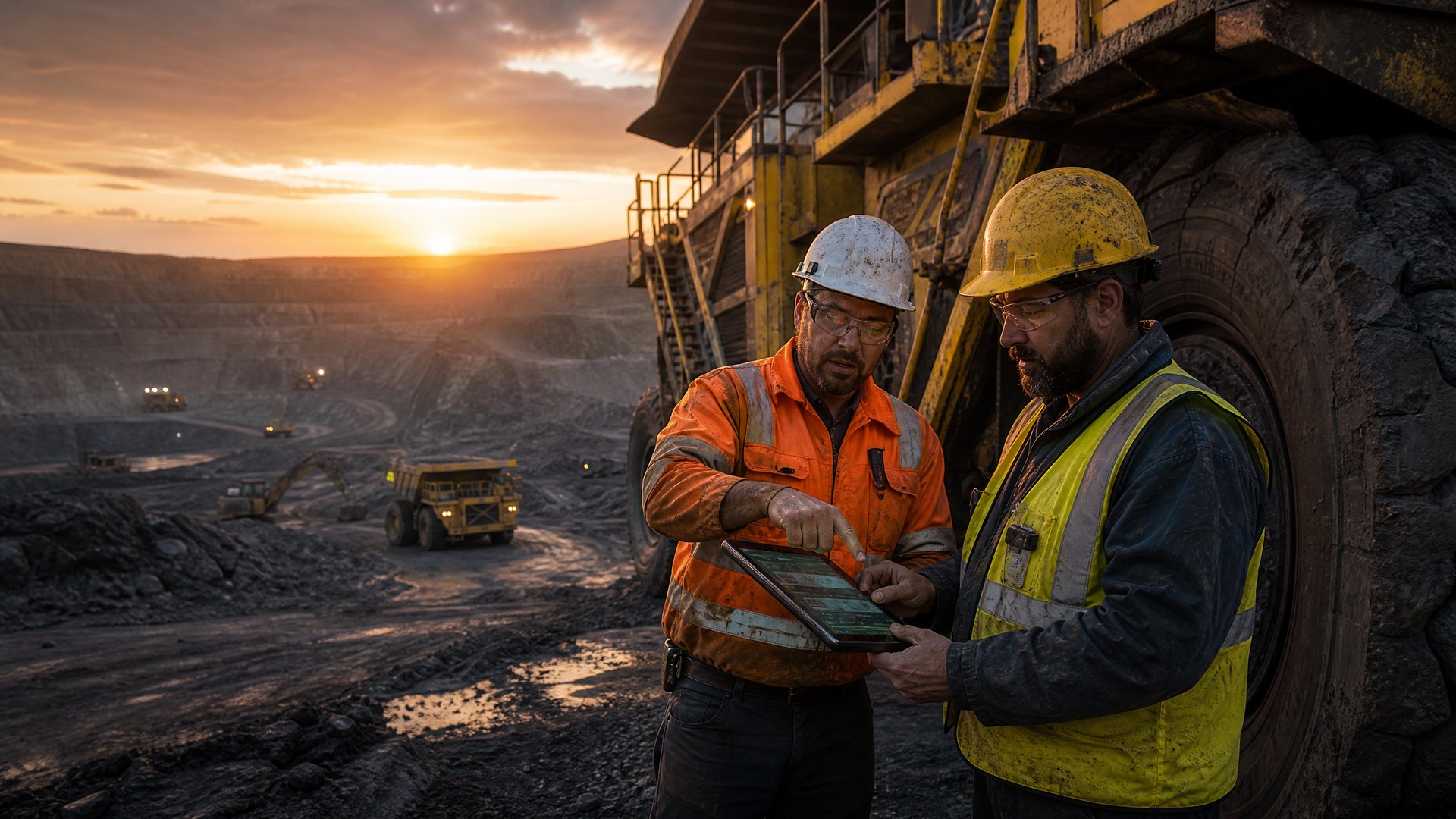
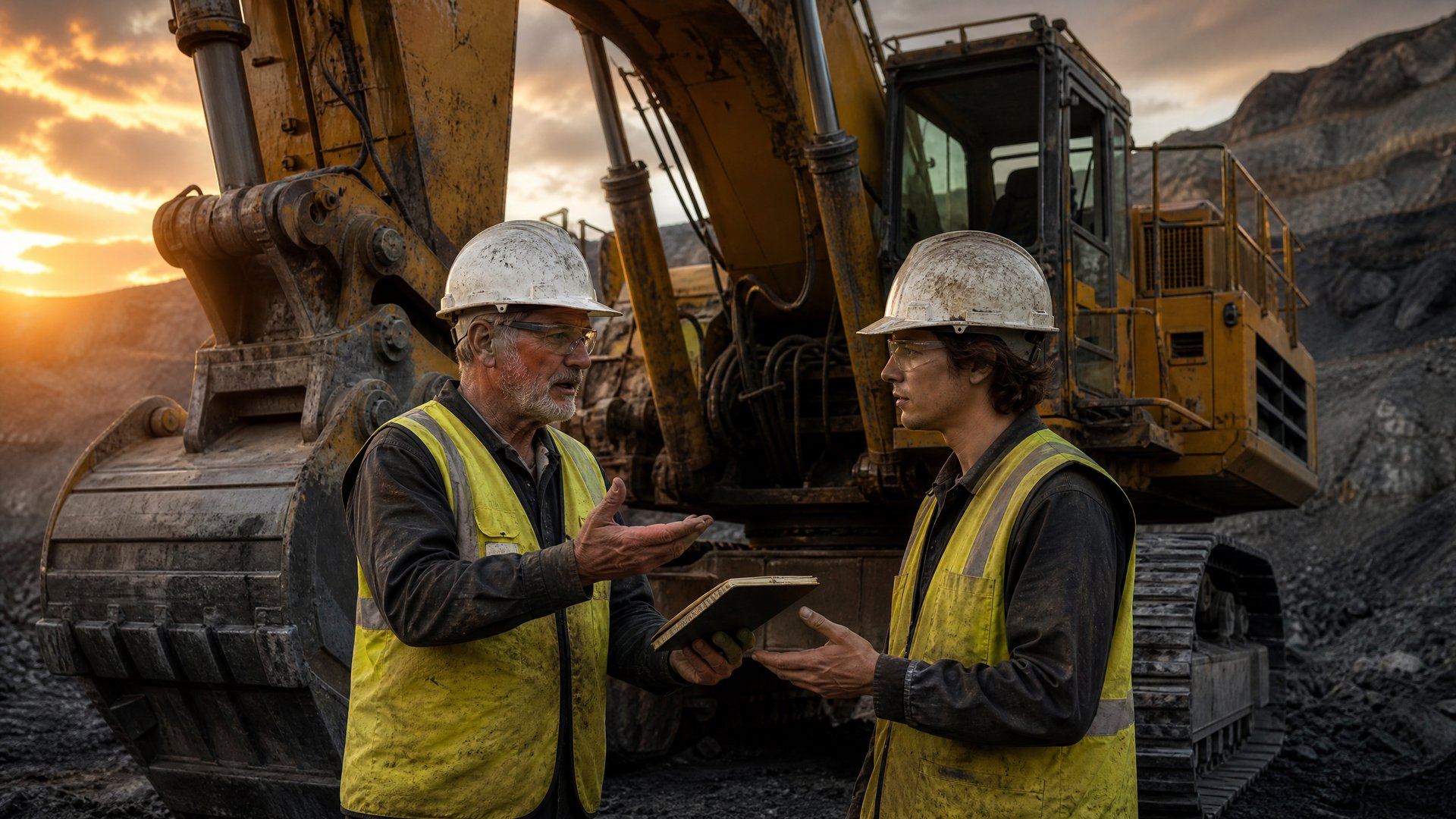
That context usually sits with frontline people. Fitters, operators, planners, supervisors, and reliability teams build a working memory around assets every day. They know which faults are nuisance alarms, which are early warning signs, which procedures are unclear, and which machines behave differently under certain ground, load, or weather conditions. The business risk is that this memory remains informal.
What asset event memory connects
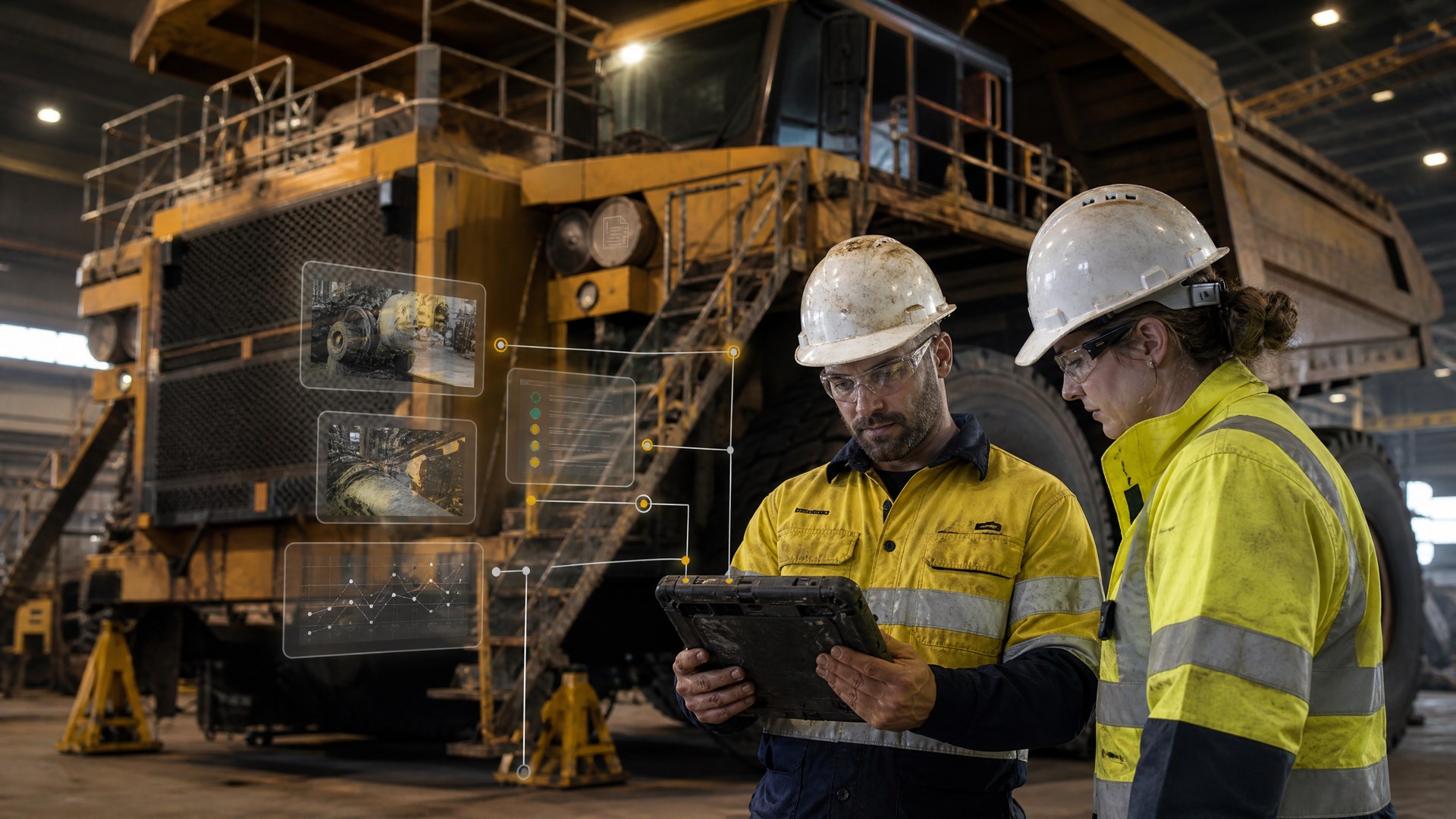
An Enterprise Knowledge Graph is useful because it can connect operational evidence around the asset, not just store documents beside it. The goal is not to create a bigger database. The goal is to make the relationship between events queryable, explainable, and usable by crews under pressure.
| Event type | What should be captured | Why it matters |
|---|---|---|
| Fault and alarm events | Code, time, asset, operating state, related symptoms, and outcome | Separates repeat patterns from isolated noise |
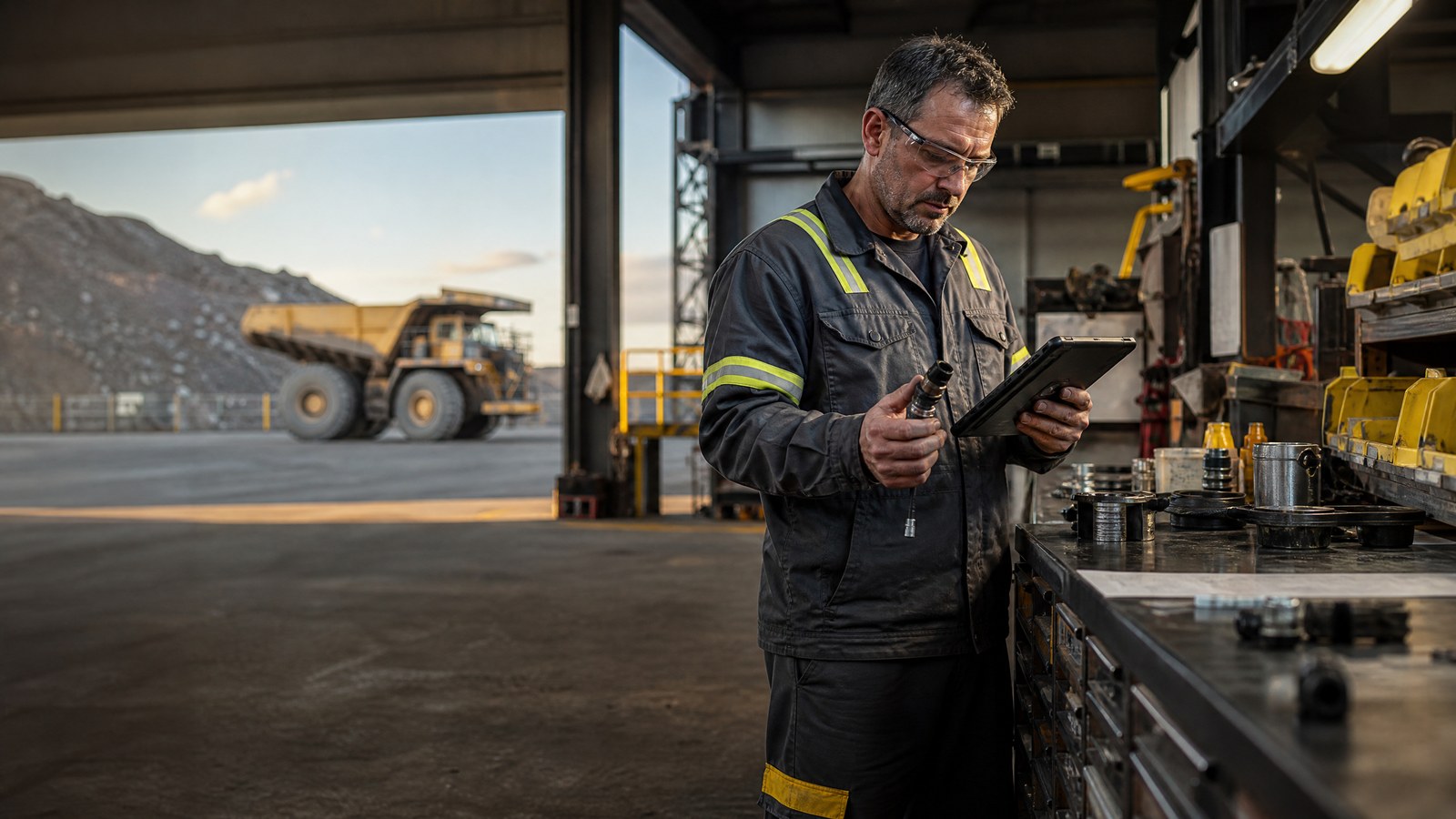
| Inspection findings | Photos, measurements, severity, location, and follow-up action | Connects visual evidence with work execution |
| Work orders | Task performed, parts used, labour notes, verification, and close-out quality | Shows which fixes actually resolved the issue |
| Frontline observations | Operator notes, mechanic comments, handover context, and workarounds | Captures the hard-won knowledge manuals miss |
| Document references | Manual sections, bulletins, procedures, and revision details | Grounds decisions in approved source material |
The practical value is faster pattern recognition
Asset event memory changes the questions a crew can ask. Instead of searching for a manual page or scrolling through disconnected records, a worker can ask what happened the last three times this symptom appeared on this model. A planner can see whether the same component has been changed repeatedly without addressing the root cause. A reliability engineer can identify whether failures are clustering around operating context, part batch, procedure gap, or training issue.
This is where industrial AI becomes more useful. It can retrieve the manual, but it can also bring forward the linked history around the asset. The answer becomes less generic and more operational: here is the approved procedure, here are the similar past events, here is the fix that resolved it, here is the uncertainty, and here is where escalation is required.
Memory improves safety and commercial discipline
In high-stakes operations, repeated mistakes are expensive because they usually come with downtime, rework, warranty friction, production pressure, and safety exposure. Asset event memory reduces the chance that a crew treats a known pattern as a new problem every time it appears. It also gives leaders a clearer view of where knowledge is strong and where it is thin.
The commercial value is direct. Better event memory supports faster troubleshooting, cleaner warranty evidence, stronger training material, more consistent handovers, and better capital decisions. It also helps separate genuine equipment issues from process issues, documentation gaps, and local operating behaviours. That distinction matters when the next decision involves parts, people, production, or supplier accountability.
The next advantage is compounding knowledge
Heavy industry has spent years collecting data. The next advantage will come from connecting it. Asset event memory gives every machine a living operational history that crews can use, leaders can trust, and AI can reason over with source context.
TORQN and DOCS AI are built around that principle. Manuals, procedures, photos, field notes, work orders, and frontline questions should not sit in separate silos. They should form a connected knowledge layer that gets sharper every time a worker asks a question, records an observation, verifies a fix, or closes a job properly. That is how frontline knowledge becomes institutional intelligence.