
Stop treating experts like a help desk. A three-tier escalation ladder routes routine questions to AI, surfaces field evidence, and reserves specialists for true anomalies.
The Default Help Desk Problem
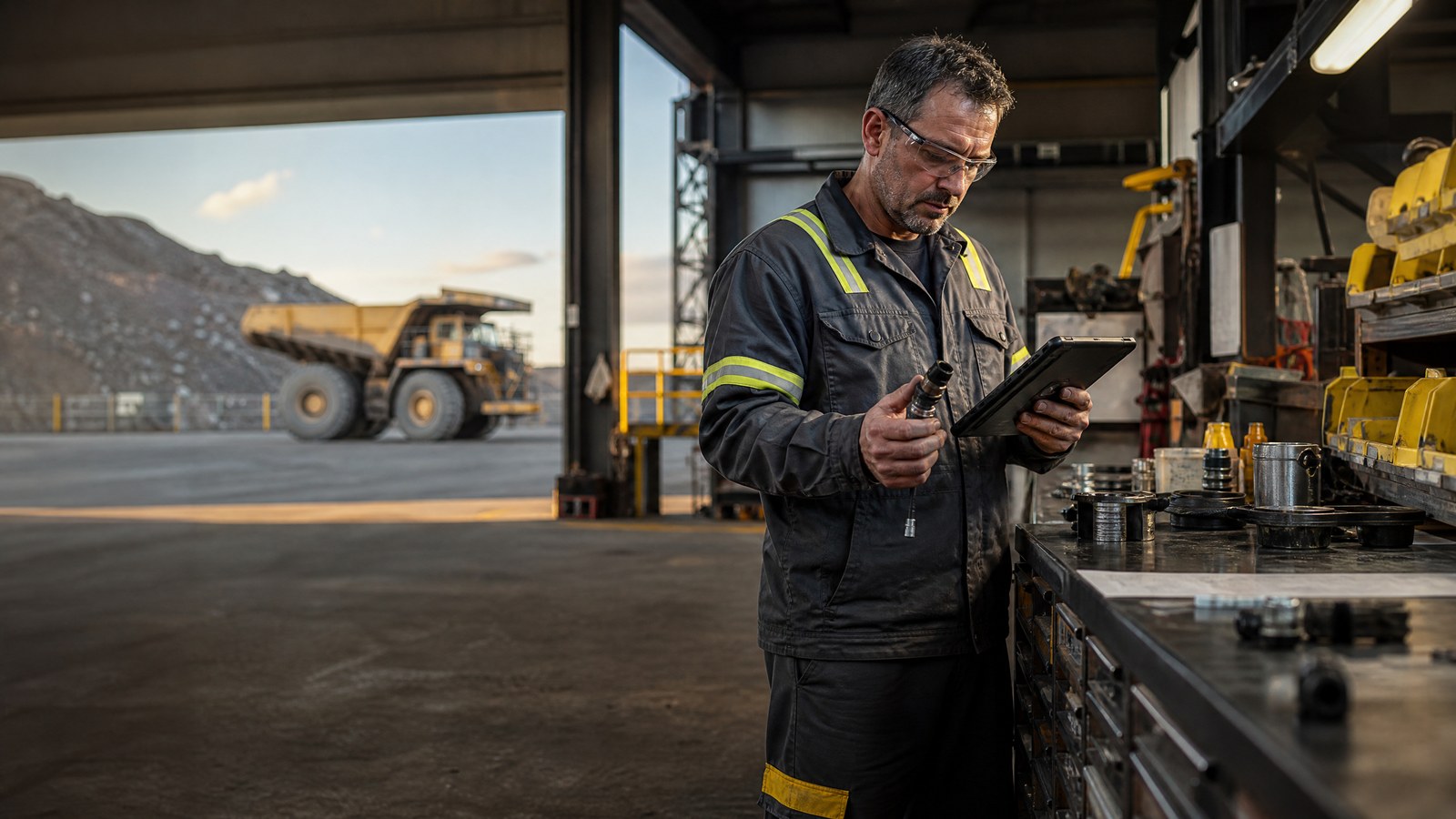
In heavy industry, senior reliability engineers, master mechanics, and experienced supervisors are constantly interrupted by frontline questions. Most are not complex engineering problems; they are immediate, practical hurdles: What is the correct isolation process? Where is the current torque specification? Has anyone seen this fault code before?
The problem is not that experts are unhelpful. The problem is that the organisation routes every routine question to them by default. This creates a hidden queue that interrupts the worker waiting for the answer and the expert who has to stop their work to provide it. In high-stakes operations like mining and construction, this constant context switching weakens traceability and introduces significant delay.
TORQN's March 2026 modelled analysis highlights the scale of this friction. In legacy environments, about 68% of retrieval attempts involve asking a supervisor or coordinator, while workers report no direct source-system access 61% of the time. For an illustrative 500-worker site, delayed retrieval produces an estimated $790,000 to $960,000 in annual labour cost exposure—before downtime or planning delays.
Why the Frontline Escalates
Workers do not escalate questions because they want to bother their supervisors; they escalate because they cannot trust the systems provided to them. If a worker needs an approved procedure, a part number, or a dimension, they are often faced with fragmented SharePoint drives, outdated physical binders, and poor naming conventions. The analysis showed that isolation and lockout procedures, approved task procedures, and torque specifications alone account for nearly 40% of all frontline queries. These are safety-critical categories where a worker cannot afford to guess.
"Workers are not asking for more documents. They are asking for the right answer, right now."
When the answer is delayed, work is delayed. When the answer is wrong, the work is wrong. To protect themselves and the operation, frontline workers bypass the broken document system and go straight to the human they trust. But scaling an operation on the back of a few trusted humans is a fragile strategy.
Designing a Three-Tier Knowledge Escalation Ladder
To fix this, heavy industry needs to stop treating collaboration as a free-for-all group chat and start treating it as a structured escalation path. A three-tier knowledge dispatch model ensures that routine questions are answered instantly by verified systems, peer evidence is surfaced when needed, and experts are only engaged for genuine exceptions.
TierTriggerResponse MechanismGovernanceTier 1: Approved Source AnswerRoutine queries regarding specifications, dimensions, forms, and revision-controlled procedures.AI retrieval (e.g., DOCS AI) delivers instant, source-referenced answers directly from the controlled document library.Strictly bound to official OEM manuals, engineering standards, and approved site policies.Tier 2: Verified Field EvidenceQuestions regarding asset-specific quirks, repeat fault patterns, and practical workarounds.A structured knowledge network (e.g., TORQN) surfaces peer-validated observations, photos, and prior fixes linked to the specific asset.Clearly separated from official procedure; relies on peer validation and asset event memory.Tier 3: Accountable Expert EscalationUnresolved issues, high-risk anomalies, conflicting information, or entirely novel failures.A routed handoff to a named specialist, packaged with the asset ID, symptoms, source references, prior actions, and risk level.Tracked via an auditable incident response or work order system; outcomes are fed back into Tier 1 or 2.
Tier 1: Approved Source Answer
The first tier must intercept the high-frequency, low-complexity questions that currently drain supervisor time. Using purpose-built industrial AI, workers can ask natural language questions and receive instant answers grounded entirely in the organisation's approved documentation. In early deployments, this approach has demonstrated dramatic reductions in retrieval time—for example, reducing the time to find an isolation procedure from an average of 34 minutes to just 14 seconds.
Tier 2: Verified Field Evidence
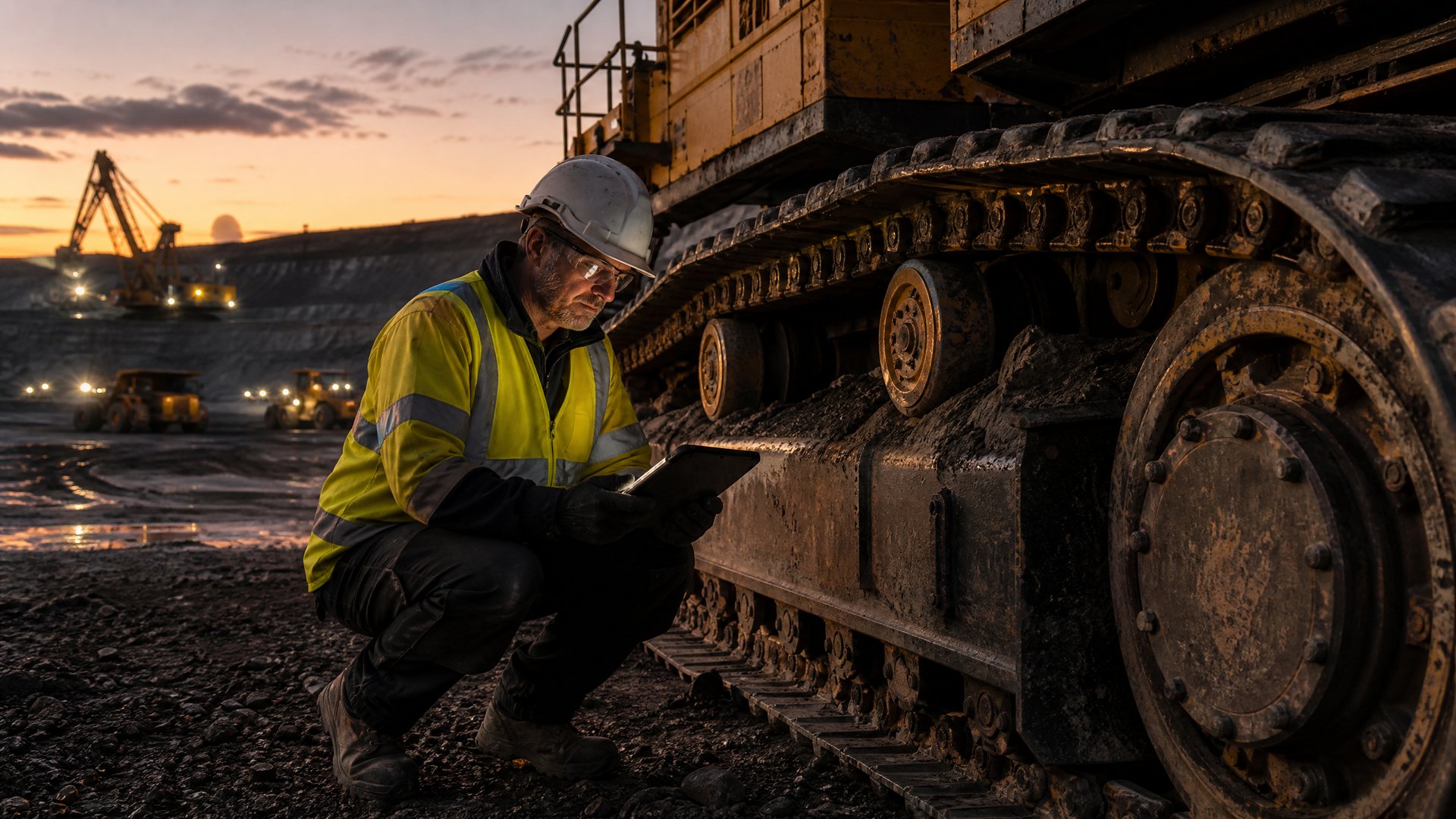
Not every answer lives in a manual. When a machine develops a strange vibration under load, Tier 2 connects the worker with that asset's field history: what the previous shift noticed, which temporary fix was applied, and which conditions were present. It stops the crew treating a known pattern as a new problem.
Tier 3: Accountable Expert Escalation
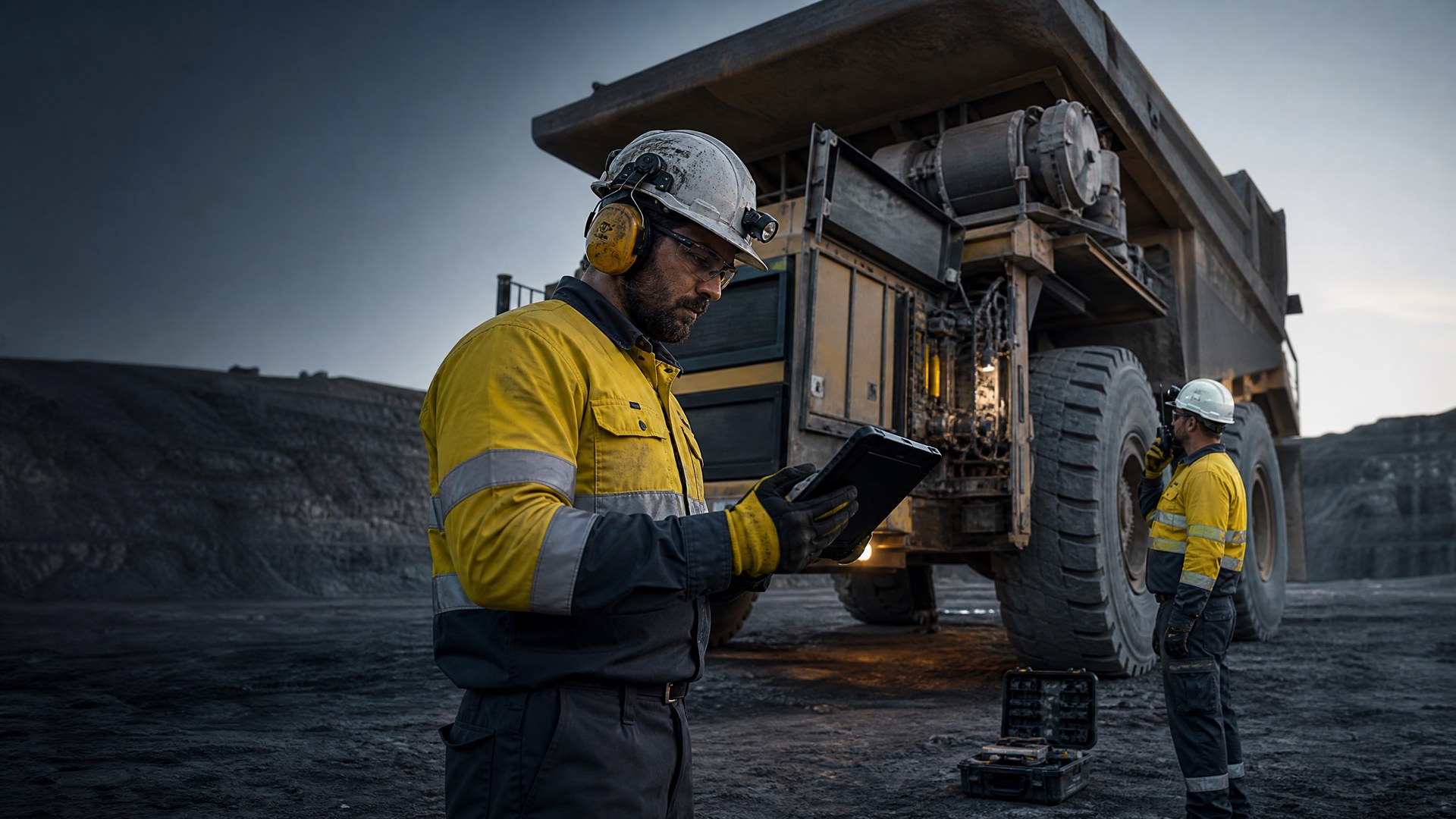
When a question bypasses the first two tiers, it is a genuine exception. At this stage, the expert is engaged. However, because the system has already attempted to resolve the issue, the expert does not receive a vague radio call saying, "The pump is broken." Instead, they receive a structured escalation containing the exact asset ID, the fault codes, the photos taken by the operator, the procedures already consulted, and the specific point of uncertainty. This allows the expert to apply their judgement immediately, rather than spending an hour gathering context.
Routing Replaces the Help Desk
High-stakes collaboration is not more messaging; it is better routing, source confidence, and escalation discipline. A clear ladder protects expert time, helps the frontline move faster, and ensures that specialists focus on true anomalies. That is how operational knowledge becomes a measurable, compounding asset.