
On paper, mine inductions make sense. In reality, they’re a rushed attempt to cram complex, critical knowledge into a single day. With AI, that model is starting to crack.
I started my career the same way a lot of people in mining do — on the tools. Underground, operational roles, doing the actual work. After that, I moved into training and health and safety, and eventually spent a big chunk of my life running inductions on mine sites. So I’ve seen this from every angle.
On paper, inductions make sense. Someone new comes to site, they need to understand how that site works, what the hazards are, what the rules are, and how not to get themselves or someone else hurt. Mining legislation puts a huge amount of responsibility on operators to make sure people are trained and competent.
The problem is reality.
If you were to properly induct someone to a mine site — genuinely train them to a level where they understand the hazards, the systems, the procedures, the layout, and the equipment — it wouldn’t take a day or two. It would take weeks. It would be hands-on, practical, and contextual.And no site has time for that.
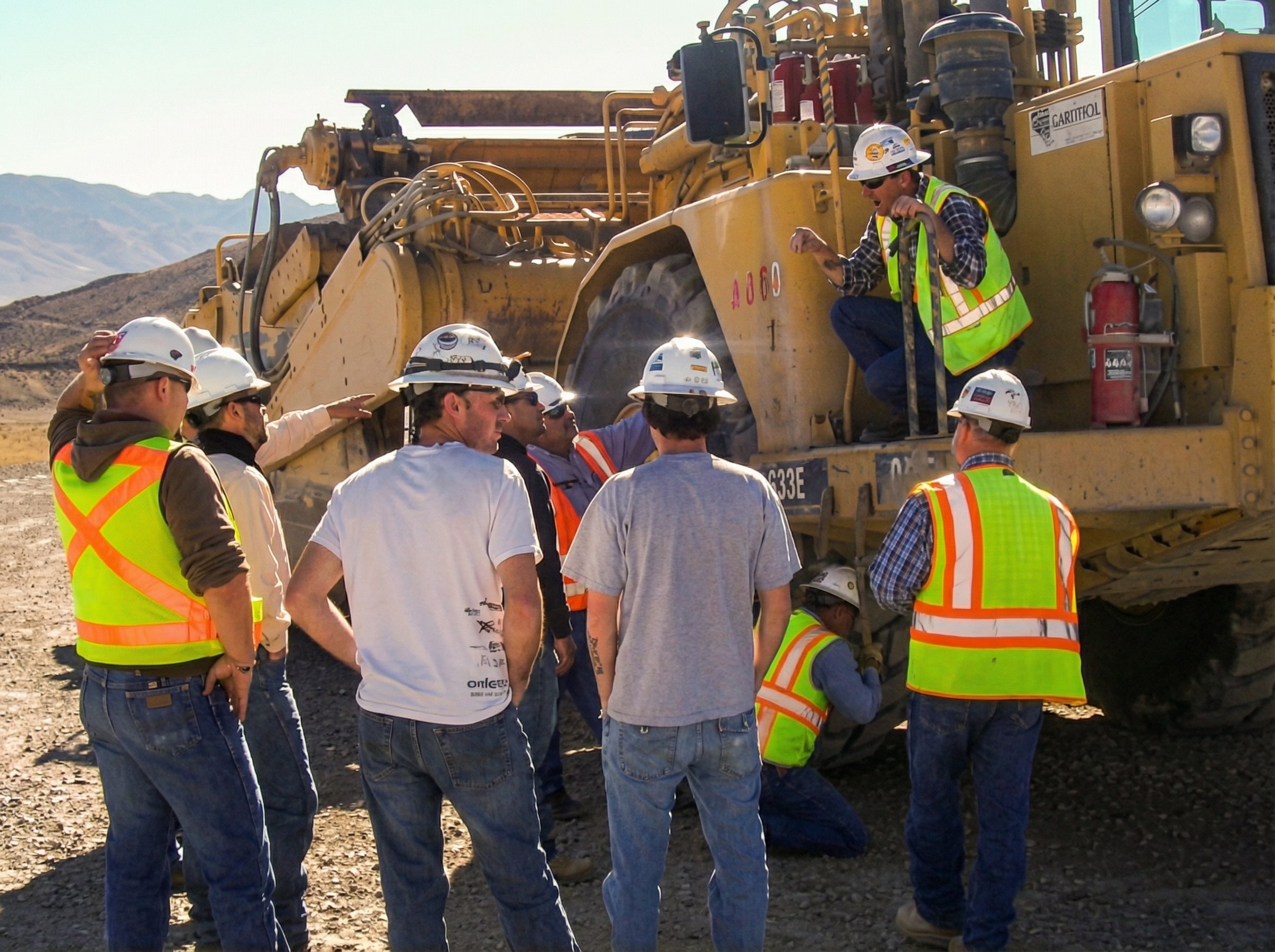
So instead, we sit people in a room for a day — maybe two — and someone like me stands at the front of the room talking at a group of bored, practical people who would rather be anywhere else. We push slide decks, read procedures, and test people on information they’ve just heard for the first time. When they don’t know the answers, we give them the answers. Because if we didn’t, no one would pass.
Let’s be honest: most inductions are a tick-and-flick exercise.
Not because people don’t care about safety, but because the delivery mechanism is broken. Mining is complex. Sites are complex. There are hundreds of hazards and mountains of procedures. Trying to force all of that into someone’s head upfront is unrealistic. Which raises an uncomfortable question: what are inductions actually trying to do?
At their core, they’re about knowledge transfer. Taking information locked up in legislation, risk assessments, and procedures, and attempting to move the important parts of that knowledge into someone’s head before they start work. The flaw is assuming this can be done once, in advance, and that people will remember it when it matters. They don’t. And when workers actually encounter a new task, a new area, or an unfamiliar piece of equipment — the moment that information is critical — they can’t access it anyway. The procedures are buried in shared drives, locked in filing cabinets, or sitting in manuals no one carries.
Even if someone wants to check, they often can’t.
Now enter AI — and this is where things actually change.
For years, we’ve outsourced knowledge to paper. Procedures, manuals, standards — all written down. But then we’ve made them hard to find, hard to search, and impossible to use in the field.
The industry’s answer has been to keep pushing more content into inductions and hoping some of it sticks. It doesn’t.
AI flips that model.
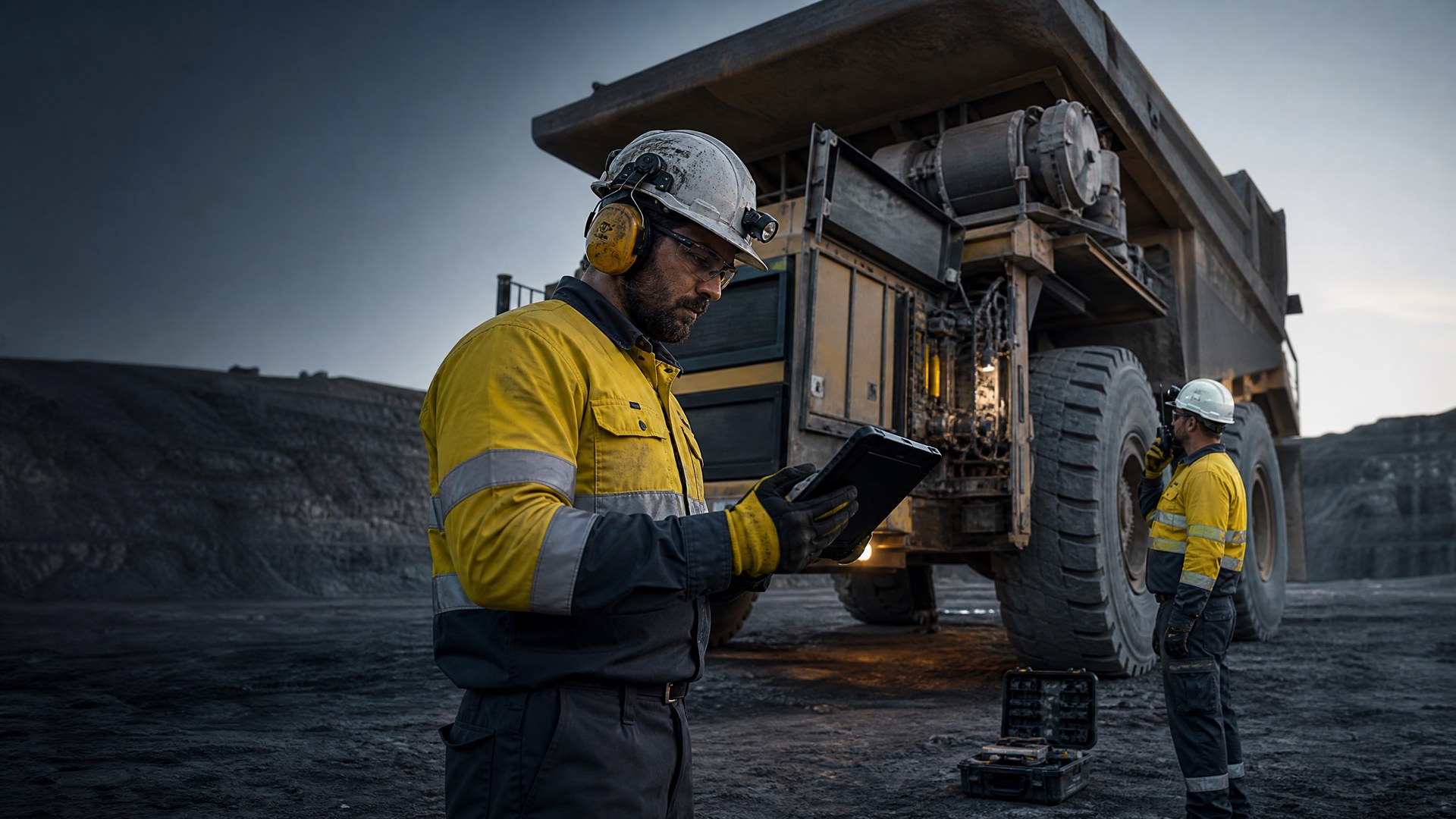
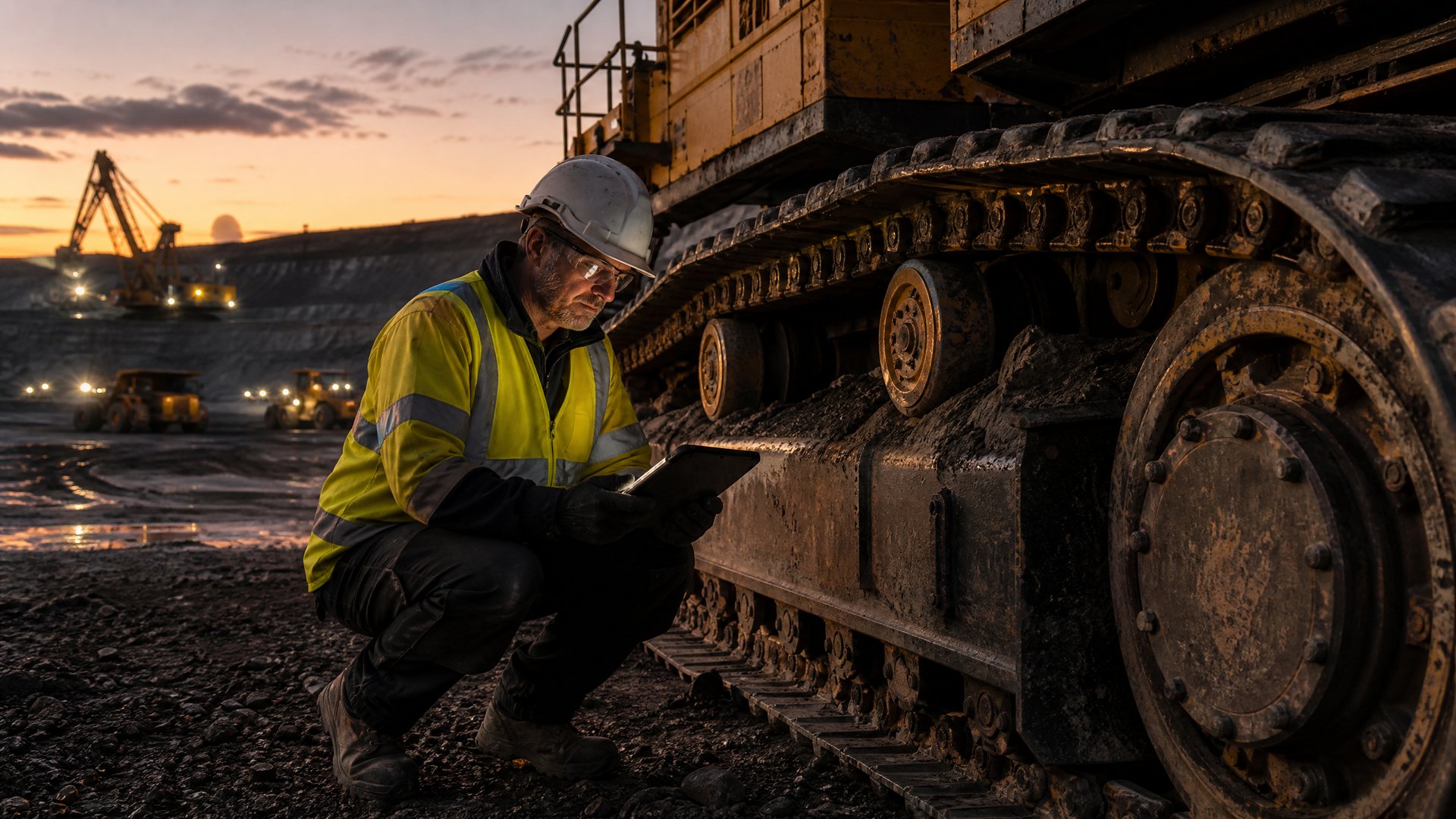
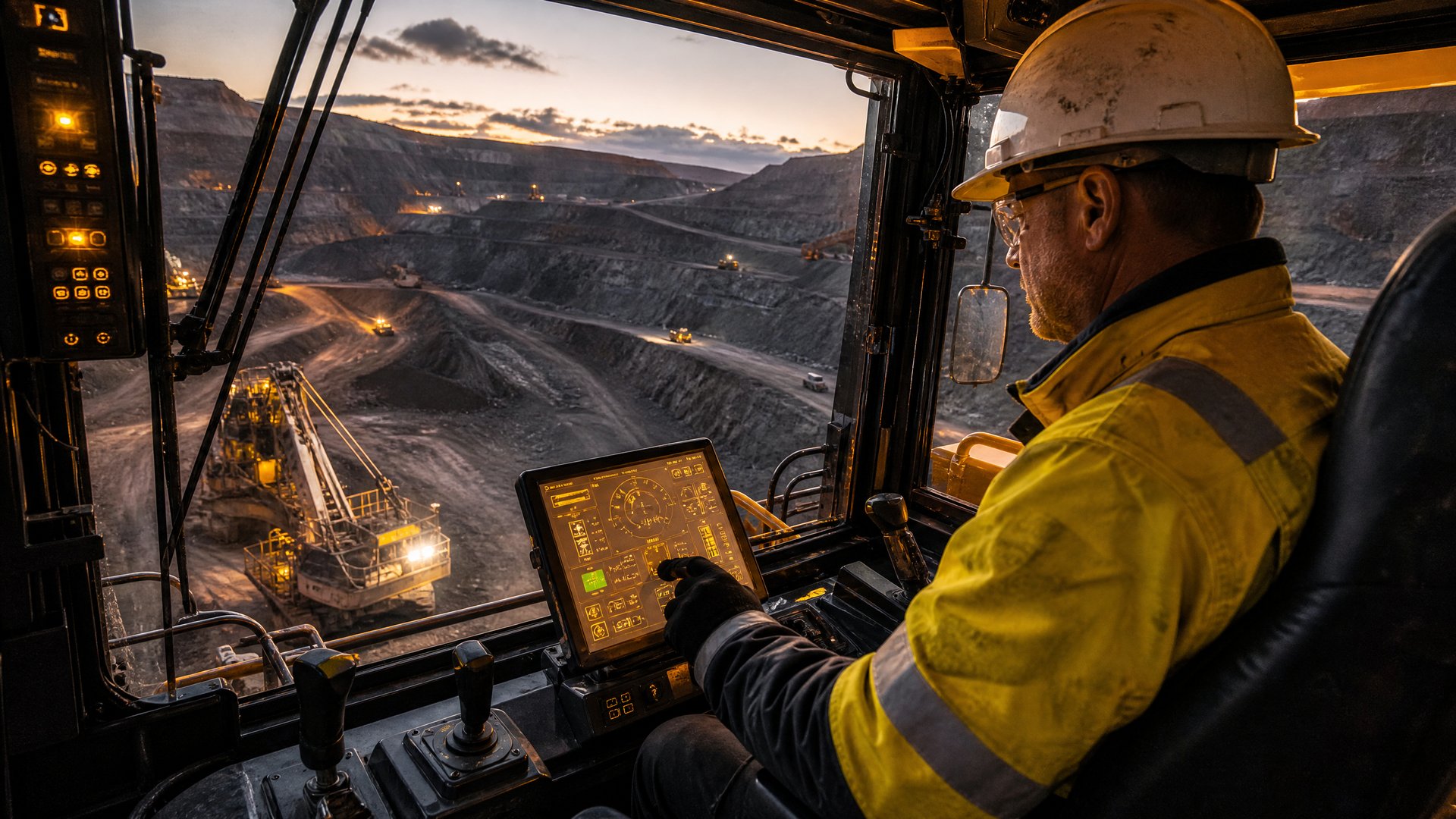
Instead of trying to preload someone’s head with everything they might need, we can give them access to what they do need, exactly when they need it. Before operating a machine. Before entering an area. Before starting an unfamiliar task. The question stops being, “Did you cover this in the induction?” It becomes, “Can the worker get the right information right now?” That’s a far more realistic approach to safety.
In this future, inductions don’t disappear — but their role changes. They become about orientation rather than memorisation. How the site works, what’s expected, and how to access information on demand. The heavy lifting shifts from the classroom to the job itself. And that matters, because people don’t learn risk in a lecture room. They learn it in context — when the task, the equipment, and the environment are right in front of them.
This is where AI in mining actually earns its keep.
Not as a replacement for experience or judgement, but as a way to make critical knowledge available when it’s relevant — when someone is about to make a decision, not hours or weeks earlier.
At TORQN, this is the direction we’re moving in.
DocsAI is the starting point — turning static documents into something searchable and usable. From there, TORQN becomes a living knowledge platform that brings together site documentation, legislation, manuals, engineering standards, and real-world operational experience into a single place people can actually use.
The goal isn’t to get rid of inductions.
It’s to stop pretending a single day in a room makes people safe. Safety comes from access to the right information, at the right time, in the real world — and that’s where we believe this industry needs to be heading.