.jpg)

Make spring easier with mining equipment training that builds good habits fast. Learn how crews share fixes, build knowledge, and train together.
Spring’s the season where everything wakes up, including mining gear. It’s not the busiest stretch of the year, but that’s exactly what makes it a smart time to focus on training. Machines are easing back into regular use, and new crew members are stepping in. Before summer hits hard, getting a fresh handle on mining equipment training just makes sense.
This season is about smoothing early starts, refreshing the basics, and avoiding mistakes that slow down work later. When crews share what they know, from startup routines to machine quirks, it becomes easier for everyone to stay safe and keep machines moving. Whether it’s a small reminder saved from last season or a quick forum thread with a fix, that shared knowledge is how good habits stick.
What Training Should Cover Before the Season Picks Up
Spring work brings its own mix of challenges. There’s the push to get gear back in rotation and the pressure to get new operators familiar with the machines. That’s why clear and focused training can make such a big difference now.
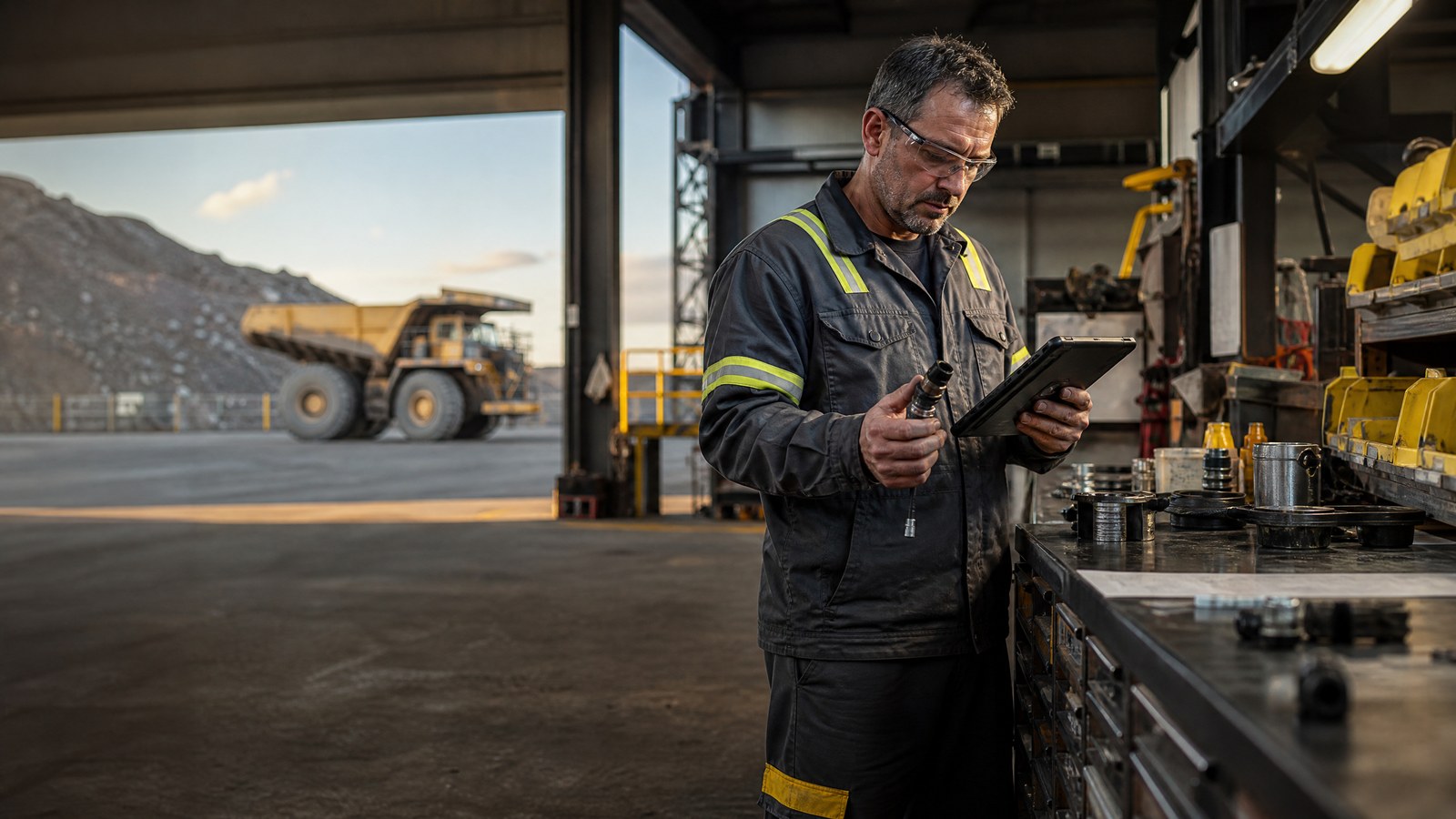
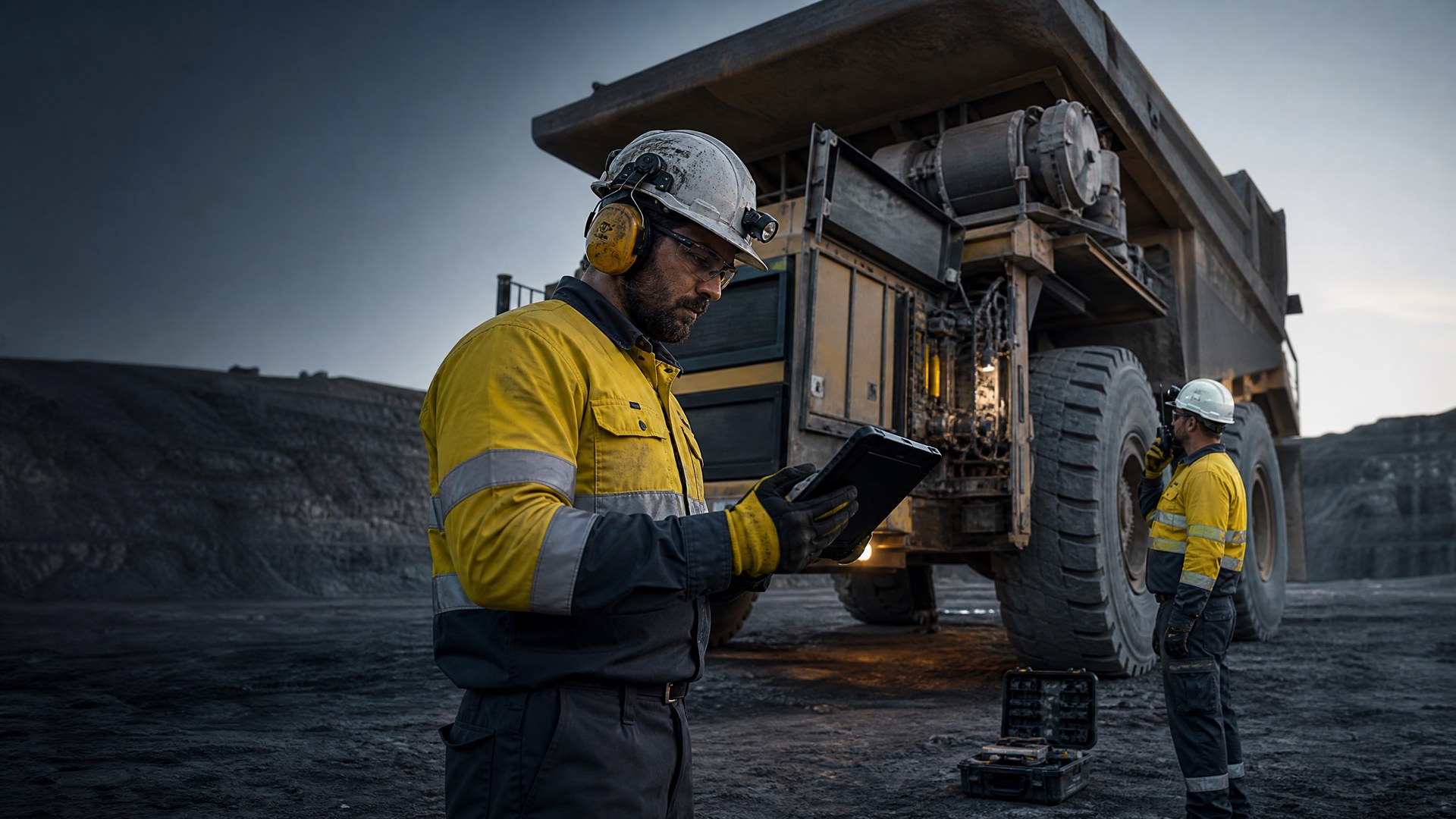
• Make time for basic startup checks. Machines need a warm return to service, so it's a good moment to talk about fluid levels, sensor calibration, and power checks.
• Look for wear left behind by cold weather. Hydraulic lines, filters, and rubber fittings show signs of stress when temperatures swing.
• Talk through what changes in warmer working conditions. Some machines handle differently when the temperature climbs quickly, and brake systems or cab electronics could respond in unexpected ways.
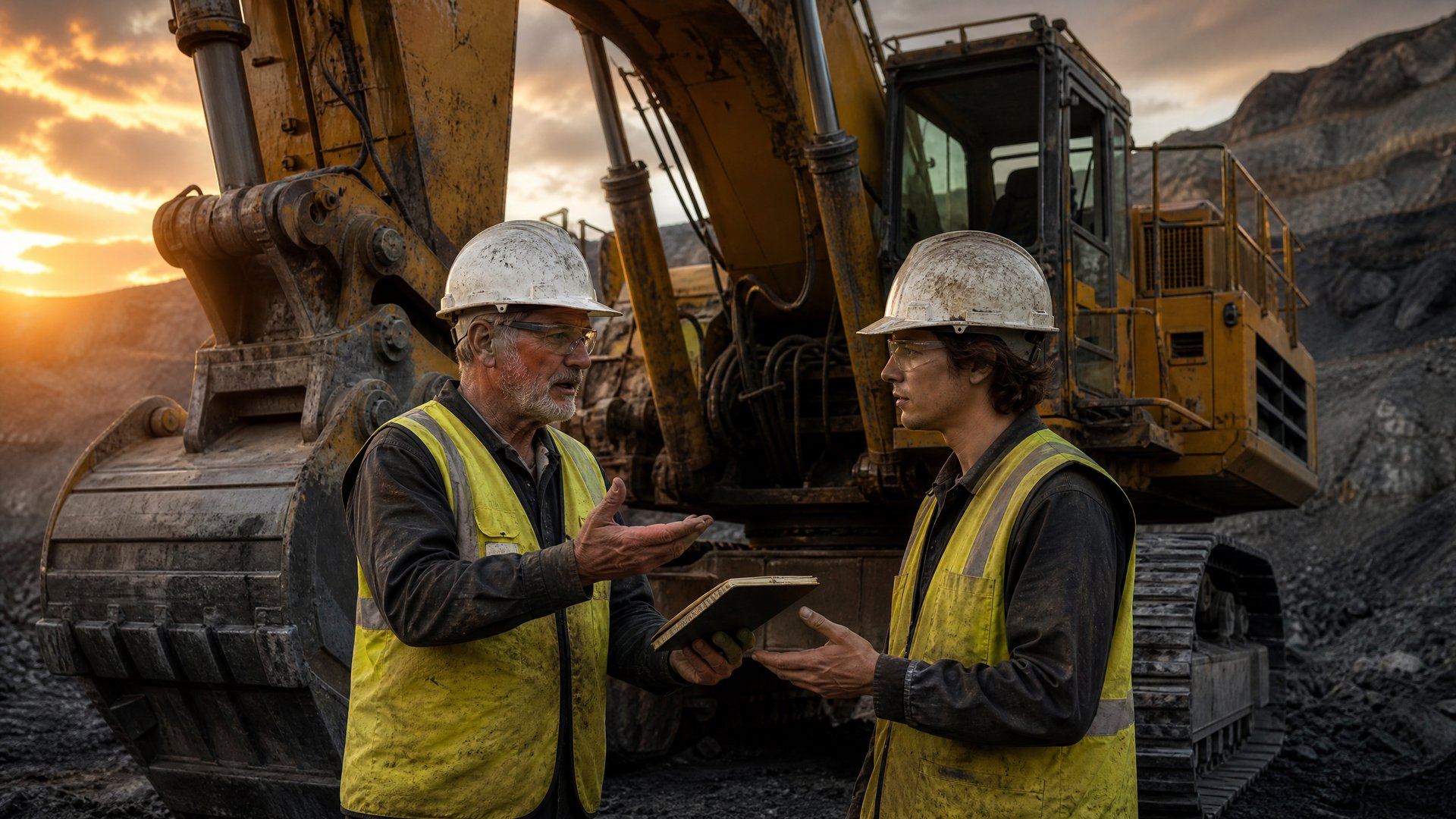
When operators share brand-specific tips, like special spring checks for Caterpillar or Komatsu models, it builds trust. Crews get more confident when they know what to expect, and veterans notice the difference when training includes real-life details, not just manual steps.
Share What Works: Tips from Forums and Crew Threads
Most fixes don’t come from a technician’s handbook. They come from someone saying, “Hey, this worked for us last week.” Spring is when more of those tips start popping up in forums and crew chats, especially as machines come out of storage or return from limited winter use.
• Forums often carry reminders to recalibrate attachments after downtime. It’s a common job that many forget until something lags in the field.
• Group chats across shifts are great for logging what worked when settings seemed off or startup was slow.
• Message boards or pinned notes help track quirks with specific equipment models, giving others a heads-up before something small snowballs.
Shared knowledge saves time. It’s one thing to know what the book says. It’s another thing to hear it explained by someone who ran that same loader two weeks ago. The more crews pass around answers, the faster everyone catches on.
Training New Hires Using Support from Shared Knowledge
Spring sometimes brings in fresh operators who’ve never been on a mine site before. That can slow the pace unless the rest of the crew is ready to support them. It helps when answers are easy to find, conversations are ongoing, and no one’s stuck guessing.
• Say it’s early April and a rookie operator doesn’t know why the prestart checklist includes clearing dried mud from a specific chute. A shared photo of a clogged line from last spring helps explain it faster than any lecture.
• If someone’s refueling and forgets to double-check vent alignment, a previous forum thread reminds them what causes a sudden backup down the fill tube.
• Crews that pin helpful lessons in message threads or tag them by topic make new hires feel like they’ve got a playbook to learn from, not just trial and error.
We’ve seen how a single shared photo or one well-worded reminder gets re-used again and again through spring. That makes it easier for new machines and new people to sync up, fast.
Building a Season-Ready Knowledge Base
One of the best uses of spring downtime is organizing what crews already know. Most of the information is out there, it just needs to be grouped so others can use it when they need it. That’s where a smart knowledge base starts.
• Sort posts or saved tips by machine make or task type. That might mean grouping all Komatsu loader tips under one tag and all filter change walkthroughs under another.
• Labels like “spring startup,” “dust prep,” or “screen cleaner issue” make it fast to scan and find a solution.
• When one post from early March shows how to check a pressure imbalance that keeps happening under warm loads, it saves guesswork for every operator who runs into it later in the season.
When we treat this info like it matters, and not like it’s just chat box noise, it turns into a set of tools that new operators can reach for quickly. Tagged, sorted, and updated posts become part of how jobs get done right the first time.
Building a season-ready knowledge base isn’t just about having the information, it’s about making sure people can access it readily. When everything is organized by topic, machine type, or even specific recurring issues, finding answers becomes almost automatic for experienced teams and especially for those who are new. Keeping these records not only streamlines the workflow in spring but makes every subsequent season smoother, because lessons learned aren’t lost year to year.
Spring Training Leads to Fewer Headaches Later
Getting serious about mining equipment training in spring isn't about covering bases just once. It's about building habits early so work stays smooth when things get busy. The time we spend now, checking machines, asking questions, and revisiting older posts, means we’re not rushing to fix big issues in peak heat.
Every crew does better when people speak up, leave notes, and share exactly what helped. When one shift tags a problem and the next shift solves it, machines run longer without delay. And when a new hire finds an answer in five minutes because the last crew thought to post it, they’re more likely to stick around and learn faster.
Starting strong in spring gives everyone a better shot at a solid season. It’s not just about machines, it’s about how people share what they’ve already figured out. That’s what keeps things moving.
The benefits of investing in training early are seen as the season progresses. Fewer breakdowns arise. Repetitive mistakes are avoided, and equipment is treated with the attention it deserves. Having a culture that values transparency and consistent communication, especially around fixes and what works, guarantees that every team member, rookie or veteran, feels confident facing unexpected issues. This foundation leads to a drop in downtime and keeps operations as efficient as possible when the pace ramps up during busier months.
Better training starts with better ways to share what works. When crews swap reminders, walkthroughs, and early season tips, everyone picks up the pace faster. For teams ready to build habits that last, now is the perfect time to focus on smart, shared mining equipment training. At Torqn, we help crews stay connected, learn from each other, and turn everyday fixes into long-term knowledge. Let’s talk about how we can support your crew this season.