
Learn how good timing turns equipment knowledge sharing into a simple tool for fewer delays, safer workdays, and smarter shifts all winter long.
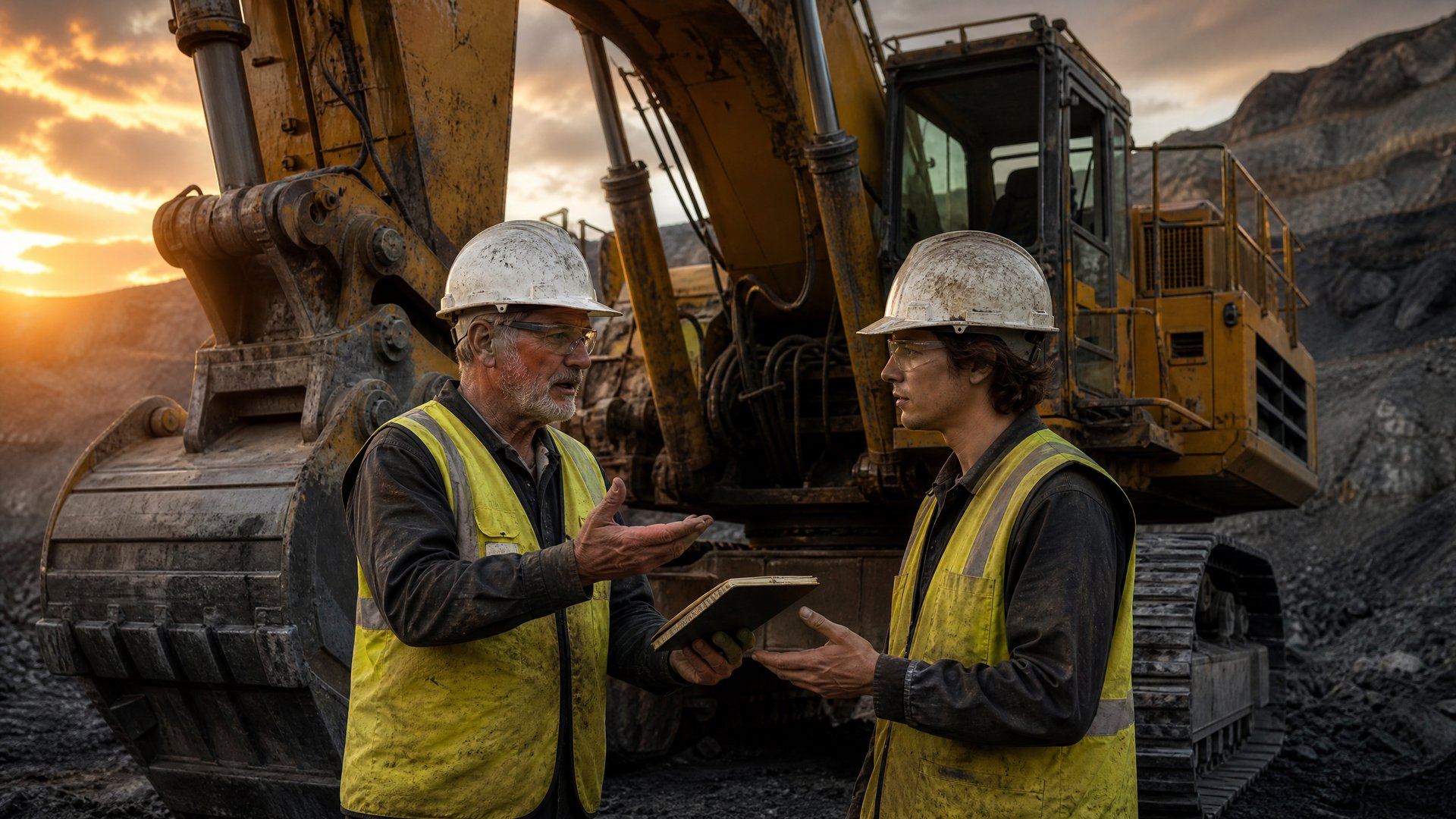
Every crew hits the same challenges when they work with heavy equipment. Something breaks. A warning light flashes. A fix gets rushed and never shared. That is where timing makes all the difference. Equipment knowledge sharing is more than just passing around advice. It is about knowing when people are ready to hear it, when it will stick.
This becomes even more important in winter. Cold mornings bring frozen lines and sluggish hydraulics. Everyone’s focus shifts toward finishing the job without extra headaches. If tips are shared in the right moments, they can help crews avoid downtime and repeat delays. Timing is not just polite, it is practical. Sharing the right thing at the right time can keep machines moving and timelines on track.
During Morning Startup or Pre-Shift Checks
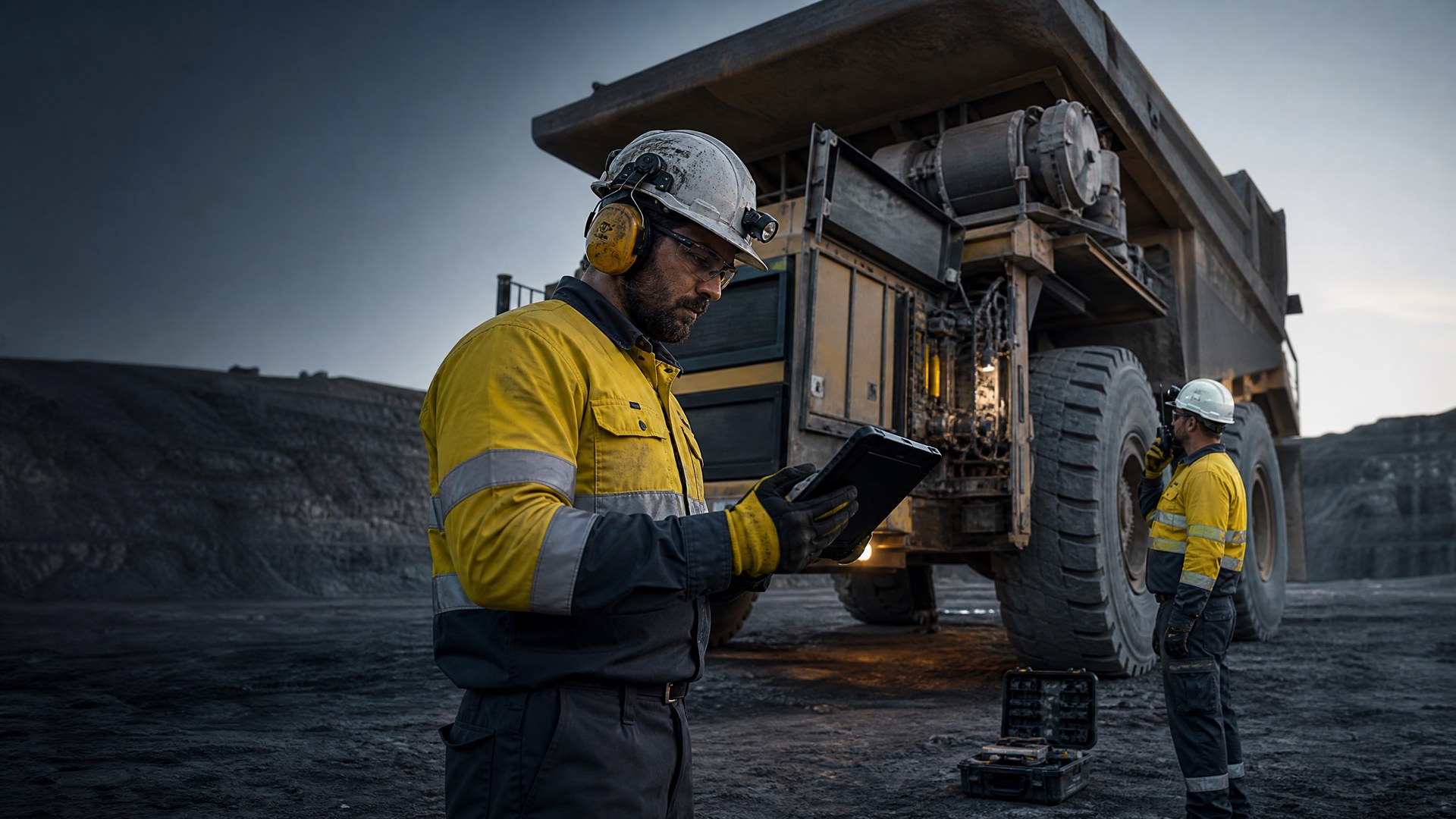
Most crews start the day with a walkthrough, either checking their assigned machine or helping look over a shared fleet. It is usually quiet, with some small talk, coffee cups, and metal warming up in the cold air. That calm makes early shifts a good time to speak up.
• If someone noticed a line icing up the day before, now is when to say something
• Small updates, like reminders to cycle the DEF heater twice or warm the throttle before using hydraulics, go a long way
• Cold-start tips get remembered when they are shared during actual cold starts
These quick notes do not need a lecture. They just need a nudge in the right moment. When shared as part of the daily rhythm, they turn into habits without being forced.
Just After a Breakdown Is Handled
No one likes a breakdown, but once a fix is done, that moment is perfect for sharing what actually worked. Newer operators learn better when they see real symptoms and the solution side by side. Even seasoned drivers can benefit from seeing how someone else solved a problem they have only heard about.
• A stuck valve, a frozen breather pipe, a warning code that needed a manual workaround, these are great to talk about right after the repair
• Connecting symptoms and solutions makes the learning feel real, not like guesswork
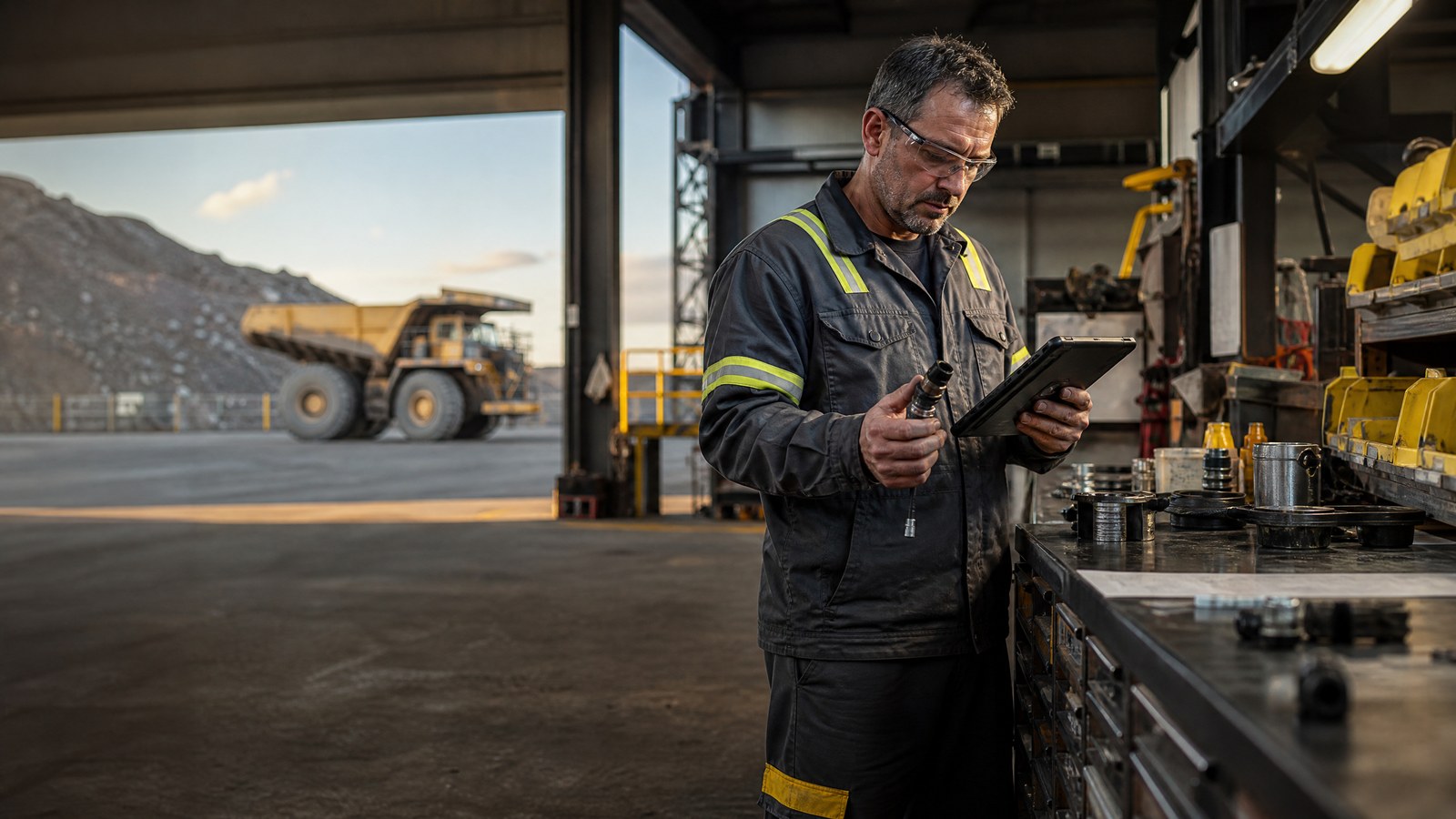
• Instead of holding it in, drop a quick update in the shared log or chat so it does not disappear by the next shift
These are the kinds of moments that turn into quick fixes later, especially when shared in a group channel or platform everyone checks.
At Shift Change or End of Day
When one shift wraps up, another one starts getting ready. This handoff is one of the most-used chances to share real knowledge. If something went wrong or nearly failed, the next crew needs to know. Waiting to mention it after the next problem usually means the lesson arrives too late.
• A warning that a loader struggled on an incline or that a cab heater is acting up is useful before it becomes someone else’s delay
• End-of-day logs in a shared tracking spot make it easy to pick up where things left off
• By noting machine behavior near the end of the day, the next shift knows what to check before heading out
What feels small at the time could save an hour for someone else in the morning. That is worth sharing before shutting things down.
During Informal Moments Like Breaks or Downtime
Some of the best learning happens when no one is trying to teach. Breaks, short waits for fueling, or those quiet minutes before a storm pause the work long enough for a story or tip to show up.
• If someone just worked through a Caterpillar machine issue, this is when brand-specific advice can be shared casually
• Informal chats are often where people ask honest questions or admit they do not fully get something
• These easy conversations, noted later in your shared space, turn into a useful trail of tips
Once those off-the-cuff lessons get written down, even just a short message, they can be used again and again.
Before Seasonal Transitions or Big Weather Shifts
Late January often signals heavier freeze, depending on the region. Snow that showed up a week or two ago might turn into ice sheets. Fluids thicken. Shortcuts from warmer days no longer work. This is when group reminders help most.
• A five-minute morning talk about double-checking battery loads or draining water from lines can make machines last longer
• Big weather shifts are the right time to visit known cold-weather issues the group has seen before
• Updating cold-day fixes in a knowledge network helps spot patterns and prep the entire crew
Prepping early knocks out the usual scramble when things start locking up in deeper freeze. When we get ahead of it, we lose less time to surprise problems.
When Shared Knowledge Saves Time and Keeps Crews Working
Most crews do not want extra meetings or long talks. That is fair. But small, well-timed updates, especially about what has already gone wrong on-site, make the day smoother for everyone. Equipment knowledge sharing is not just about handing out answers. It is about building a rhythm where good information is always close by.
• When fixes are shared the same day, the next operator is not guessing
• New crew members have a better chance to learn if others leave hints, reminders, or how-tos in a shared space
• The right habit at the right time helps avoid major problems and cut down wasted effort
Everyone works better when nobody is stuck hunting for answers that someone else already knows. Shared updates keep the whole group ready instead of just one person figuring it out the hard way.
Building a Habit for Smarter Shifts All Winter
Passing along equipment tips works best when it fits into the flow of the day. Whether it is at startup, after a fix, or with a coffee in hand, timing makes the difference between something that sticks and something that gets ignored. Crews do not need big training moments every time, just small habits that help everyone stay ready and moving.
Winter does not wait for us to catch up. When knowledge is shared at the right time, it helps avoid delays, keeps machines running longer, and builds stronger crews season after season.
We know how important it is to save time by helping crews avoid relearning the same cold-weather fixes. Building habits that keep knowledge moving in real time helps everyone work safer and smarter on every shift and machine. By keeping helpful updates in one place, your team stays ready for any day. Ready to start building better routines around equipment knowledge sharing? Torqn is here to help, contact us today to take the next step.