Every retiring expert takes decades of undocumented knowledge with them. Here is why treating that knowledge as a business asset is the smartest investment companies can make.
The Hidden Cost of Retiring Expertise: Why Knowledge is Your Most Valuable Asset
Every time a seasoned operator or mechanic retires, they take decades of hard-won, undocumented knowledge out the door with them. In the mining and construction industries, this isn't just a loss of personnel—it's a massive, unquantified financial drain. The true cost of losing institutional knowledge far exceeds the price of recruiting and training a replacement. It manifests in repeated mistakes, extended downtime, and safety incidents that could have been avoided if the right information was accessible.
When we talk about "assets" in heavy industry, the conversation usually revolves around physical machinery: excavators, haul trucks, and processing plants. But the knowledge required to keep those machines running efficiently and safely is equally critical. Treating knowledge as a business asset means capturing it, structuring it, and making it available to the frontline workers who need it most.
The Reality on the Ground: Mining and Construction Scenarios
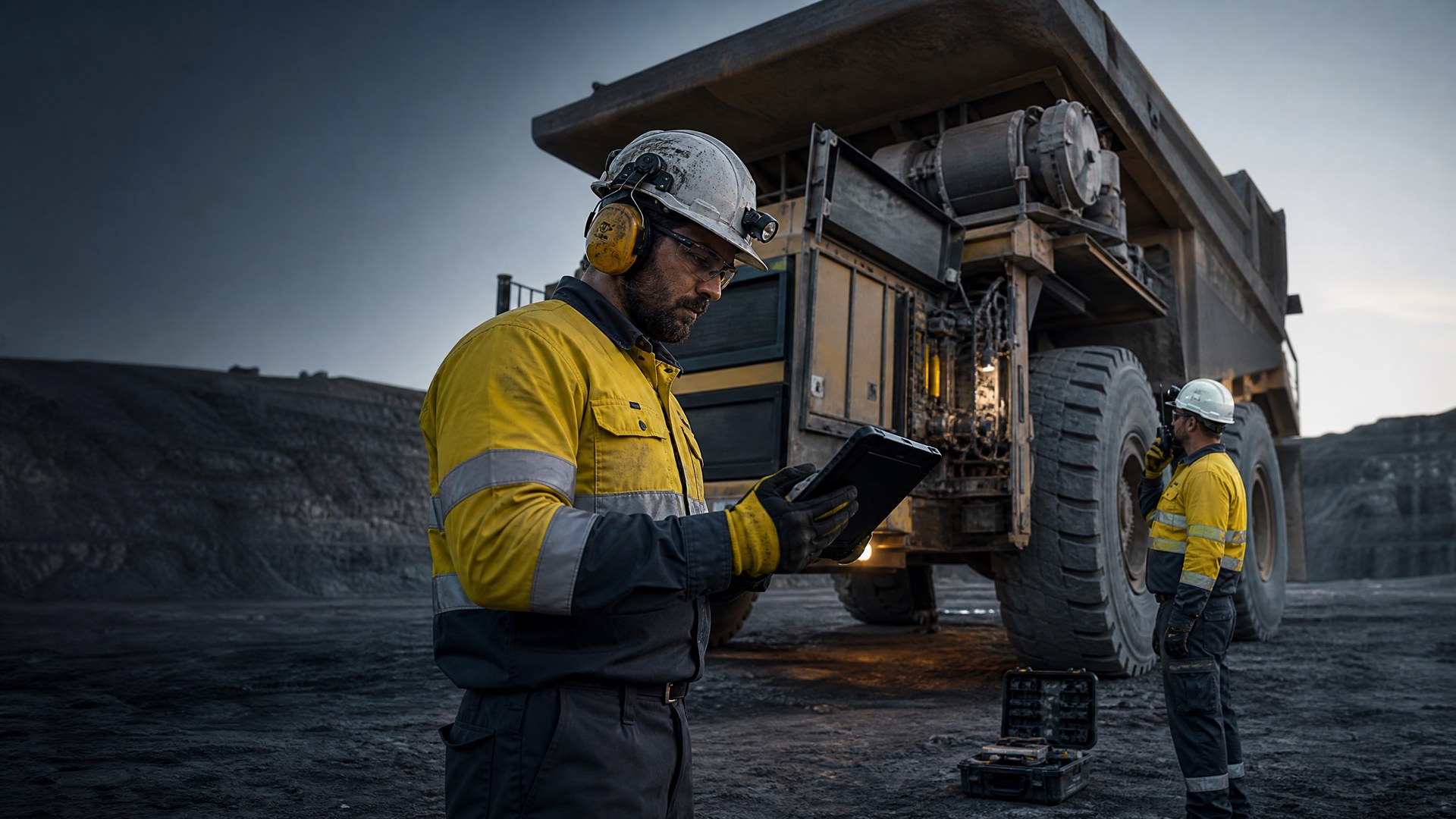
Consider a typical scenario on a remote mine site. A critical piece of equipment, such as a massive haul truck, goes down with a complex hydraulic issue. The manual offers standard troubleshooting steps, but they don't resolve the problem. The only person who knows the specific quirk of this machine—a workaround developed over years of experience—is a mechanic who retired six months ago. The result? The truck sits idle for days while a specialist is flown in, costing the operation tens of thousands of dollars in lost production.
In construction, the story is similar. A project manager might leave a firm, taking with them the nuanced understanding of a difficult client's preferences or the specific soil conditions of a region that aren't fully captured in the official reports. When the next project in that area begins, the new team starts from scratch, repeating the same costly learning curve.
"The most expensive mistakes are the ones you've already paid to learn from, but failed to document."
Quantifying the Loss: The ROI of Knowledge Retention
The financial impact of lost knowledge is staggering, yet often hidden in broader operational costs. When expertise walks out the door, the immediate effects are clear, but the long-term consequences are even more damaging.
| Impact Area | The Cost of Lost Knowledge | The Value of Retained Knowledge |
|---|---|---|
| Equipment Downtime | Extended repair times as new mechanics relearn undocumented fixes. | Rapid troubleshooting using captured historical data and expert insights. |
| Safety Incidents | Increased risk of accidents due to lack of awareness of site-specific hazards. | Proactive hazard mitigation based on documented near-misses and expert advice. |
| Training Costs | High costs associated with bringing new hires up to speed from scratch. | Accelerated onboarding using a structured, accessible knowledge base. |
Capturing the Uncapturable: Moving Beyond Manuals
Traditional methods of knowledge transfer—shadowing, mentoring, and static manuals—are no longer sufficient. They are slow, inconsistent, and vulnerable to personnel changes. To truly treat knowledge as an asset, organizations must adopt systems that capture insights in real-time, directly from the frontline.
This means moving beyond the three-ring binder and embracing digital platforms that allow workers to document their findings, share solutions, and access critical information at the point of need. It requires a cultural shift where sharing knowledge is recognized and rewarded as a core part of the job.
The Path Forward: Building a Resilient Operation
To protect your operation from the inevitable brain drain, you must start treating knowledge with the same rigor as your physical assets. This involves:
1. Implementing the Right Tools: Deploy platforms that make it easy for workers to capture and access information in the field, using the devices they already have.
2. Fostering a Culture of Sharing: Encourage and incentivize employees to document their expertise. Make it clear that their knowledge is valued and essential to the company's success.
3. Structuring the Data: Ensure that captured knowledge is organized, searchable, and integrated into your broader operational systems.
By transforming undocumented expertise into a structured, accessible asset, mining and construction companies can reduce downtime, improve safety, and build a more resilient, competitive operation. The knowledge is already there—you just need to capture it before it walks out the door.