.jpg)

Use a construction knowledge network to connect operators and mechanics, troubleshoot equipment faster, boost safety, and learn from real jobsite peers.
Everyday Wins Start with Shared Know-How
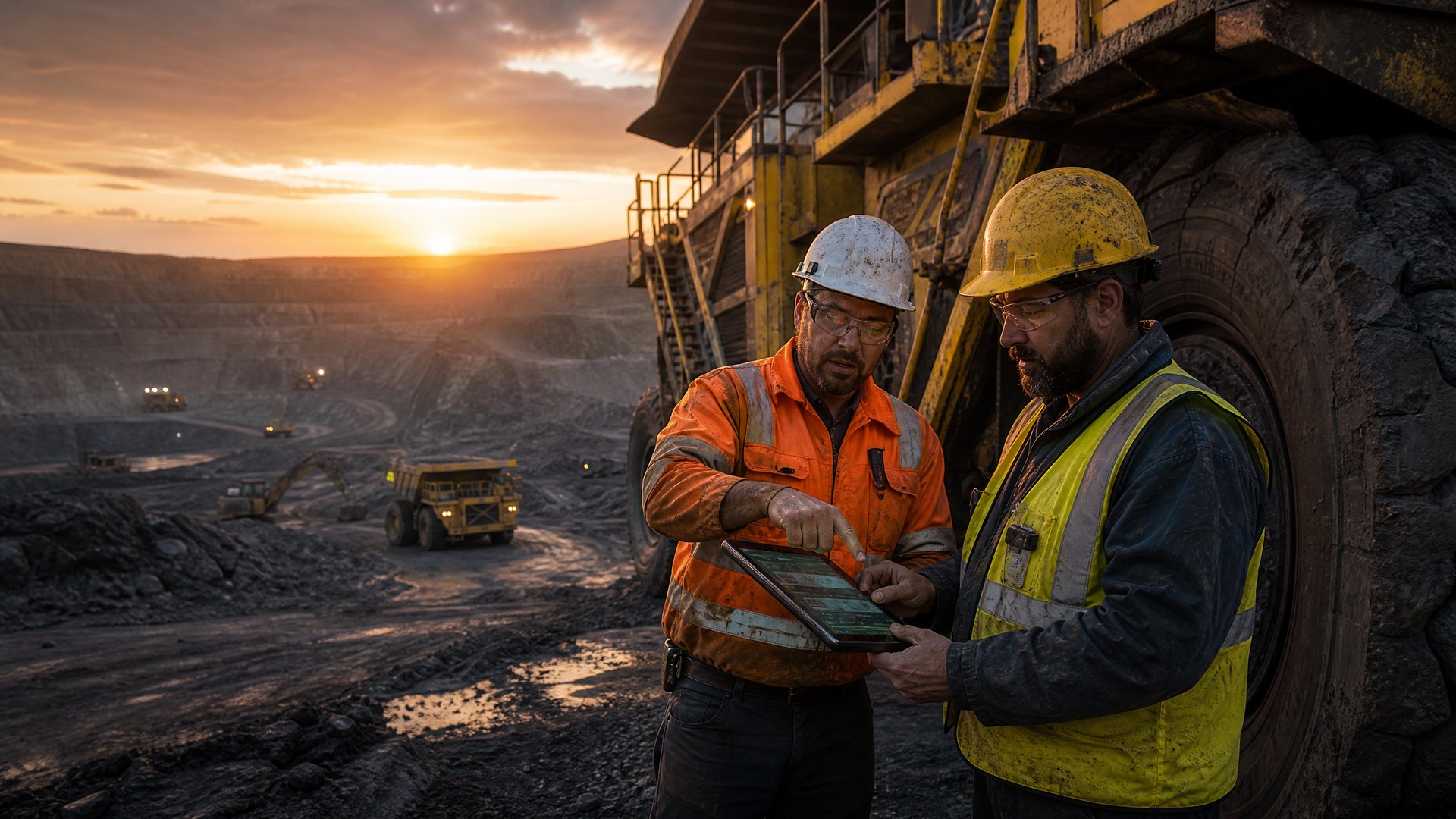
Equipment problems on a jobsite rarely wait for a slow day. A crew is ready to pour, the schedule is tight, and then a key machine throws a fault code. Manuals are back in the trailer, the dealer is busy, and everyone stands around while the clock keeps moving. When someone on the crew remembers, "Hey, did someone online mention this code last week?" and finds a quick answer from another operator, that small win suddenly matters a lot.
Most big wins on construction projects are built from moments like that. It is not just the big milestones. It is the everyday wins: solving a stubborn issue in minutes instead of hours, skipping a mistake that burned another crew last month, picking up a better method from someone who runs the same machine. Those small changes add up to real time, safer work, and less stress.
A construction knowledge network turns those quiet, local wins into shared wins. It connects isolated crews with a wider community of operators, mechanics, and managers who work on the same iron. Instead of every crew learning the hard way, the jobsite plugs into a global pool of know-how. That is the idea behind Torqn, a mobile-first global knowledge network built around heavy equipment, where everything is organized by the machines people use, own, and work on every day.
Why Construction Knowledge Gets Stuck on the Jobsite
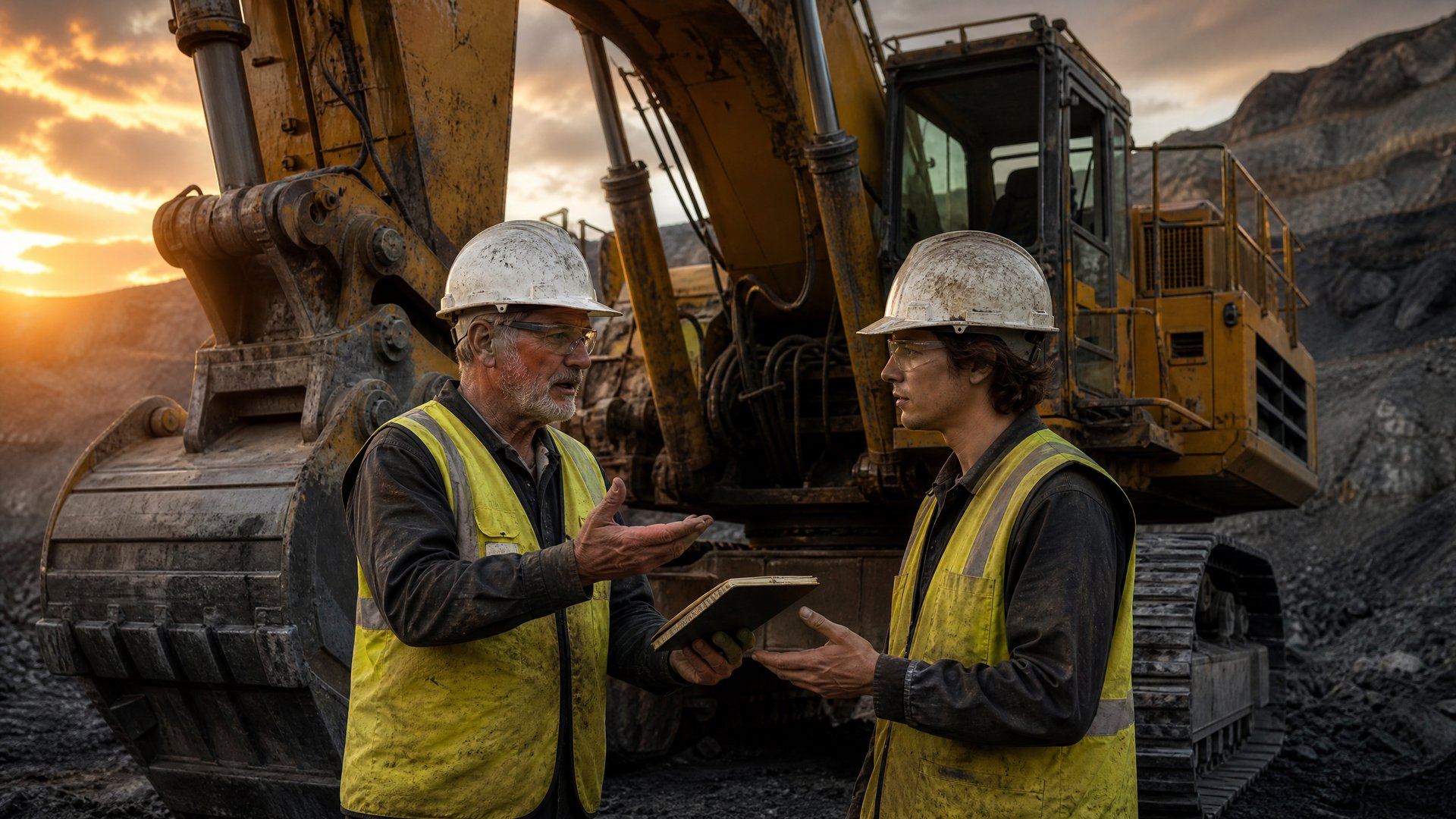
On many jobsites, the best information lives in one place: someone’s head. A veteran operator knows how a certain excavator acts when the hydraulic oil is cold. A mechanic has a shortcut for getting to a buried sensor. A foreman remembers a near-miss in wet spring soil. Helpful tips, but they are often stuck in:
• Tribal knowledge held by a few key people
• Scattered paper notes and jobsite whiteboards
• Text chains that no one can find later
• Manuals that are hard to search when stress is high
When that knowledge stays local, problems drag on. A simple fix turns into hours of downtime. A rushed repair creates a new safety risk. The same mistake pops up on different jobs because the lesson never leaves the first site.
Seasonal work makes this even harder. As days get longer and spring work ramps up, new hires and seasonal workers join the mix. They may be strong workers, but they do not have years of machine experience. They need fast, practical help, not a stack of binders or a long email thread.
Common tools like messaging apps, email, or group texts do not solve this. They are not built around equipment. When a specific make and model acts up, it is hard to dig through random chats to find the one message that matters. The knowledge is there, but it is buried.
What a Construction Knowledge Network Really Does
A construction knowledge network is simple at its core. It is a focused community where people connect around the machines they run, service, or manage. Instead of one giant, messy chat, everything is built around equipment.
That means conversations are sorted by:
• Make
• Model
• Component or system
• Type of work or application
When someone shares a fix, it does not fade away in a long feed. It becomes a reusable answer for the next person who hits the same problem. A strange code on a loader, a sensor giving bad readings, or a new attachment acting just a little off, all of it can be tagged to that machine.
With a global knowledge network like Torqn, those answers can show up in minutes. People in mining, construction, and other heavy industries already deal with this gear every day. They can share:
• Troubleshooting tips that actually work in the field
• Parts workarounds when lead times are tight
• Calibration advice that goes beyond the basic steps
• Safe operating practices for real job conditions
Spring is a perfect example of when this matters. As fleets come out of winter, startup problems spike. Batteries, sensors, fluids, and electronics all complain at once. Having a shared resource where a quick search or question connects you to someone who has already seen that issue can turn a long morning into a short pause.
Turning Shared Knowledge Into Daily Productivity Gains
When answers move faster, the whole job flows better. The path is simple: an operator posts a problem, another operator or mechanic who fixed the same issue replies, and the machine goes back to work without a long wait.
That kind of shared knowledge helps in a few big ways:
• Fewer idle machines, because troubleshooting starts right away
• Less guesswork, because real fixes beat trial and error
• Quicker decisions, because people see what worked on similar gear
For managers, a construction knowledge network is more than a help line. It becomes a way to spot patterns. If the same type of excavator has the same seal issue on three different jobs, that is a sign to schedule checks before peak summer work, not after something fails mid-day.
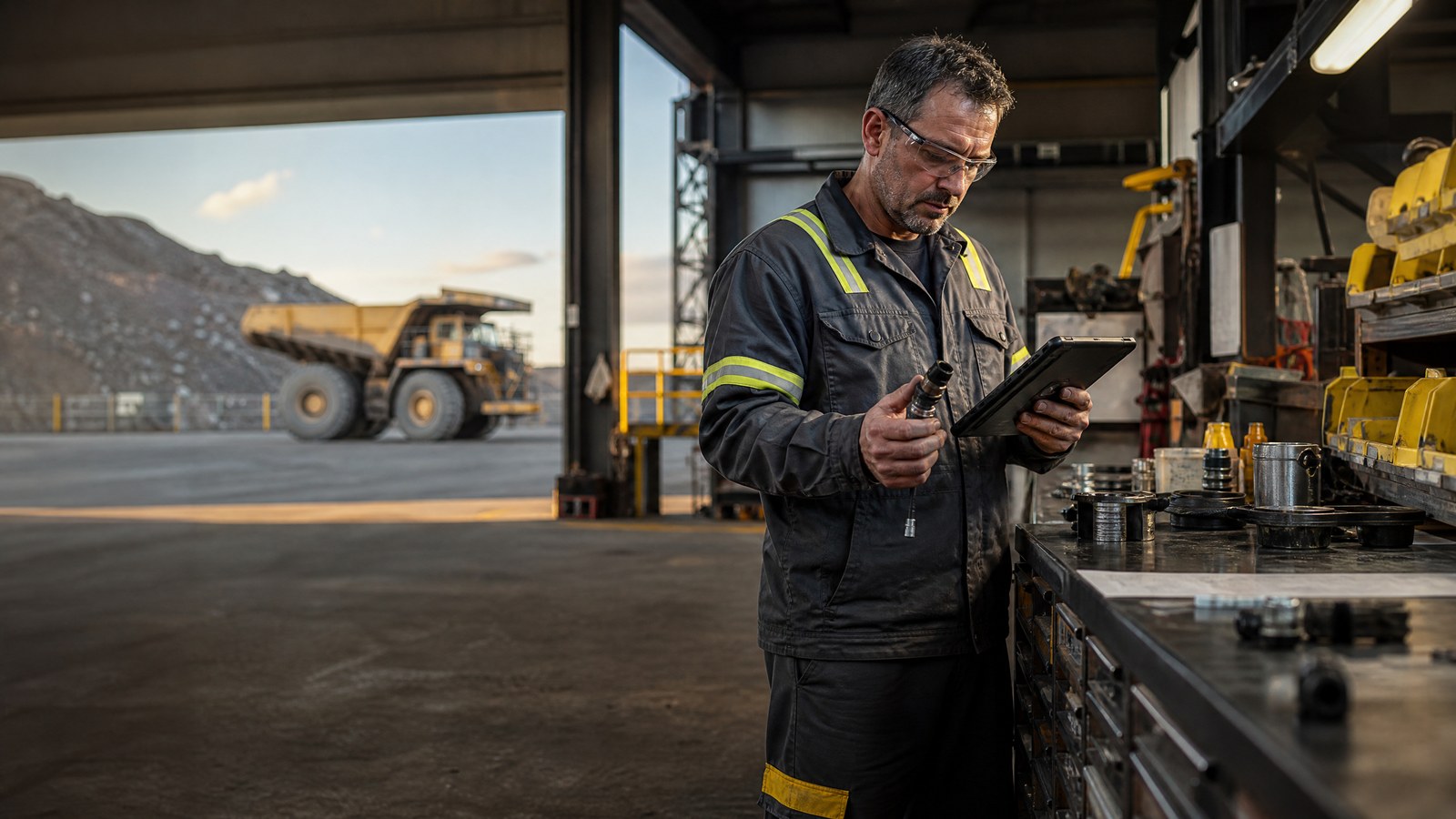
Mechanics gain a lot too. Instead of only relying on manuals, they can scroll through photos, notes, and wiring tips from other pros. Many of the best field tricks never show up in official documents. When those tricks get shared, the average time to repair drops, repeat failures go down, and first-time fix rates climb, even when schedules are tight and projects are stacked.
Safer Crews Through Real-World Lessons, Not Just Rules
Safety on a construction site is about more than rules on a poster. Rules matter, but real-world lessons are what stick. How a specific machine behaves on a slope, what happens when the ground is soft after a spring rain, or how visibility changes at dusk around a large haul truck, those details often come from experience.
A construction knowledge network gives those lessons a place to live. People can share:
• Near-misses that others can learn from
• Unusual failure modes that caught them off guard
• Environmental hazards like slick clay, fog, or low sun glare
• Safer ways to use certain attachments or settings
That turns safety from a one-way talk into an ongoing, shared story. The network acts like a living add-on to safety manuals and toolbox talks. Crews still follow formal training, but they also hear from other workers who faced the same mix of machine and weather and came out with a lesson.
Early in the season, when conditions change day by day and crews are getting back into rhythm, this near-real-time sharing is even more helpful. Ground that felt solid in the morning can turn soft by afternoon. A quick note from another operator about how their machine reacted can keep someone else out of trouble.
Building a Culture of Continuous Learning on Every Site
When we use a global, equipment-focused platform, we send a clear message to our teams: learning and sharing are part of the job. Asking questions is not a weakness. Posting solutions is real leadership.
Supervisors can fold the construction knowledge network into daily routines. For example, they might:
• Pull a recent post into a toolbox talk
• Share a screenshot during a pre-shift huddle
• Use spring kickoff meetings to highlight common startup issues and fixes
People who share helpful content naturally become go-to voices. Recognizing them, even with a simple shout-out, turns them into informal mentors across sites, not just on one crew. That kind of culture supports new hires too. Instead of relying only on whoever is on their crew that day, they gain access to a wide bench of experience anytime they pull out their phone.
At Torqn, our aim is to make that kind of learning feel normal. We focus everything around heavy equipment, so the knowledge that already exists in our industry can move faster and farther, from one site to many.
Start Turning Today’s Jobsite Problems Into Tomorrow’s Wins
Every crew has at least one recurring headache. Maybe it is a grader that always throws a code on cold mornings, a seasonal maintenance step that people keep forgetting, or a safety concern that pops up when rain hits a certain soil type. Now think about how different that would feel if answers showed up in minutes from people who have already been through it.
A construction knowledge network turns those daily problems into shared wins. When we ask real questions and document our own fixes, we lower downtime, raise safety, and help the next crew avoid the same pain. At Torqn, we built our global knowledge network so operators, mechanics, and managers in mining, construction, and other heavy industries can plug their people and their equipment into a community built for how the work really happens.
Join a Smarter Construction Knowledge Network Today
If you are ready to solve problems faster and avoid repeating the same mistakes on every job, plug into our construction knowledge network. At Torqn, we bring your people, processes, and project insights together so lessons learned turn into predictable results on site. Start capturing what your teams know today so every project benefits tomorrow. We are here to help you move from scattered information to a connected, learning-driven operation.