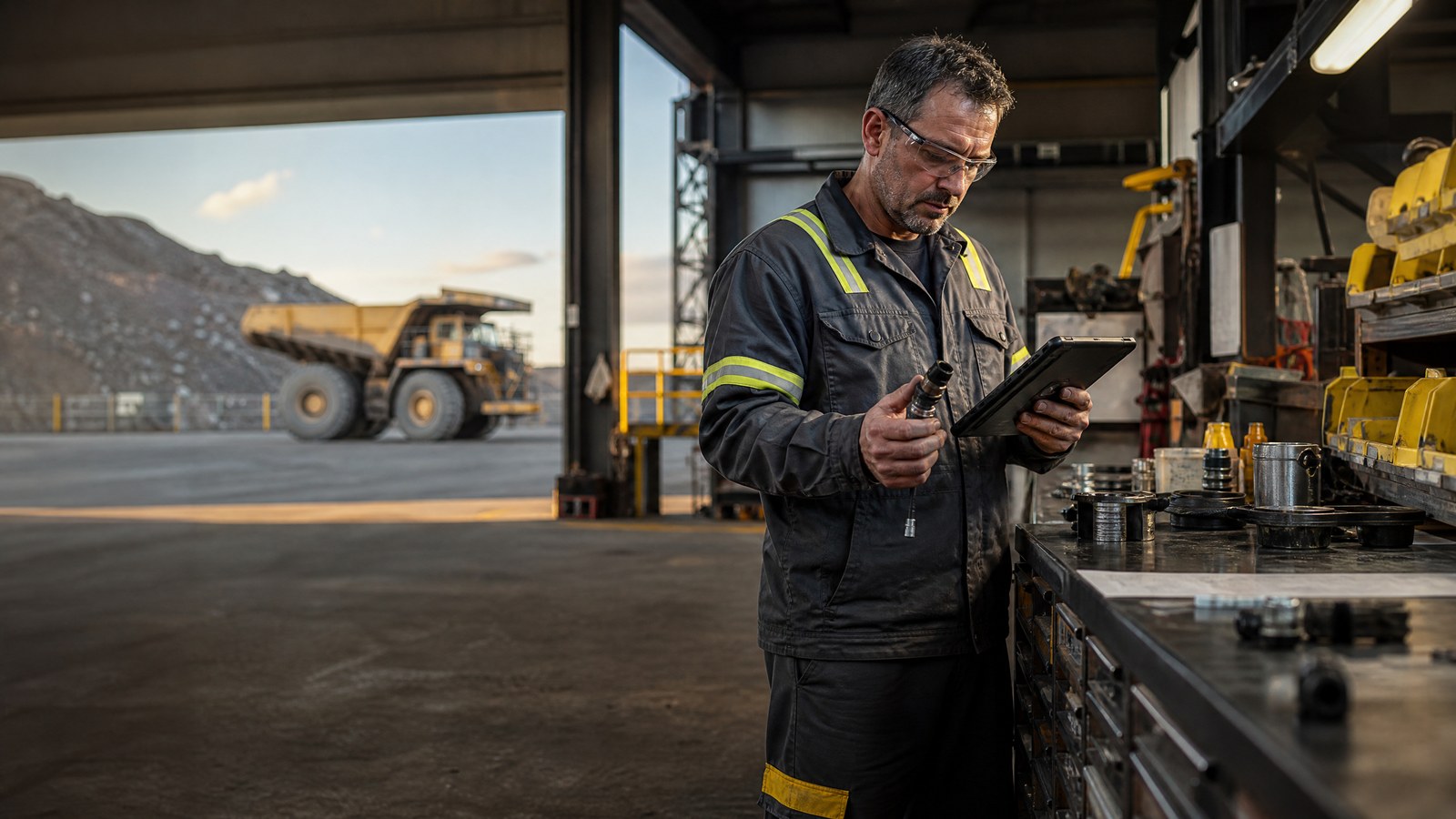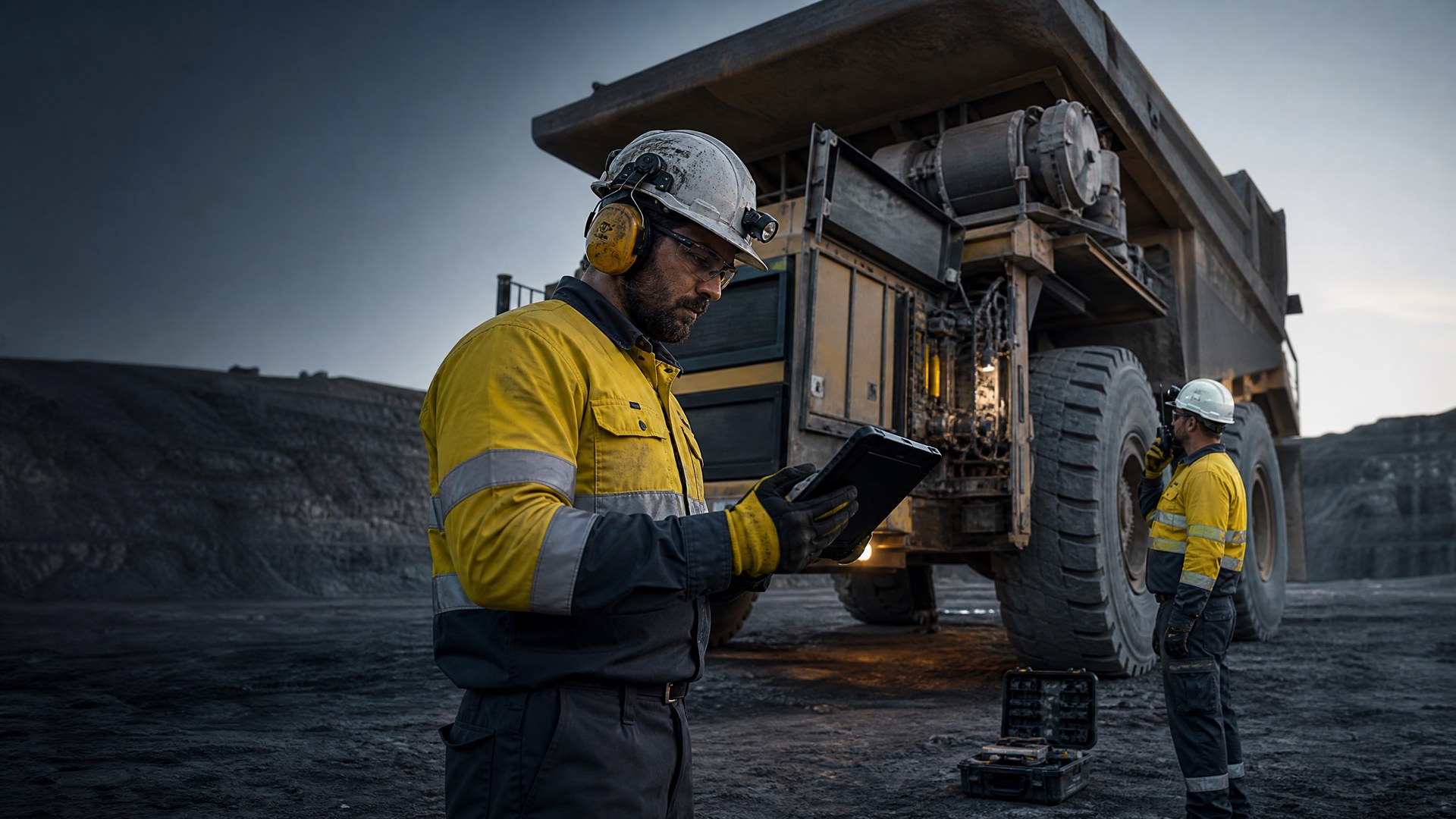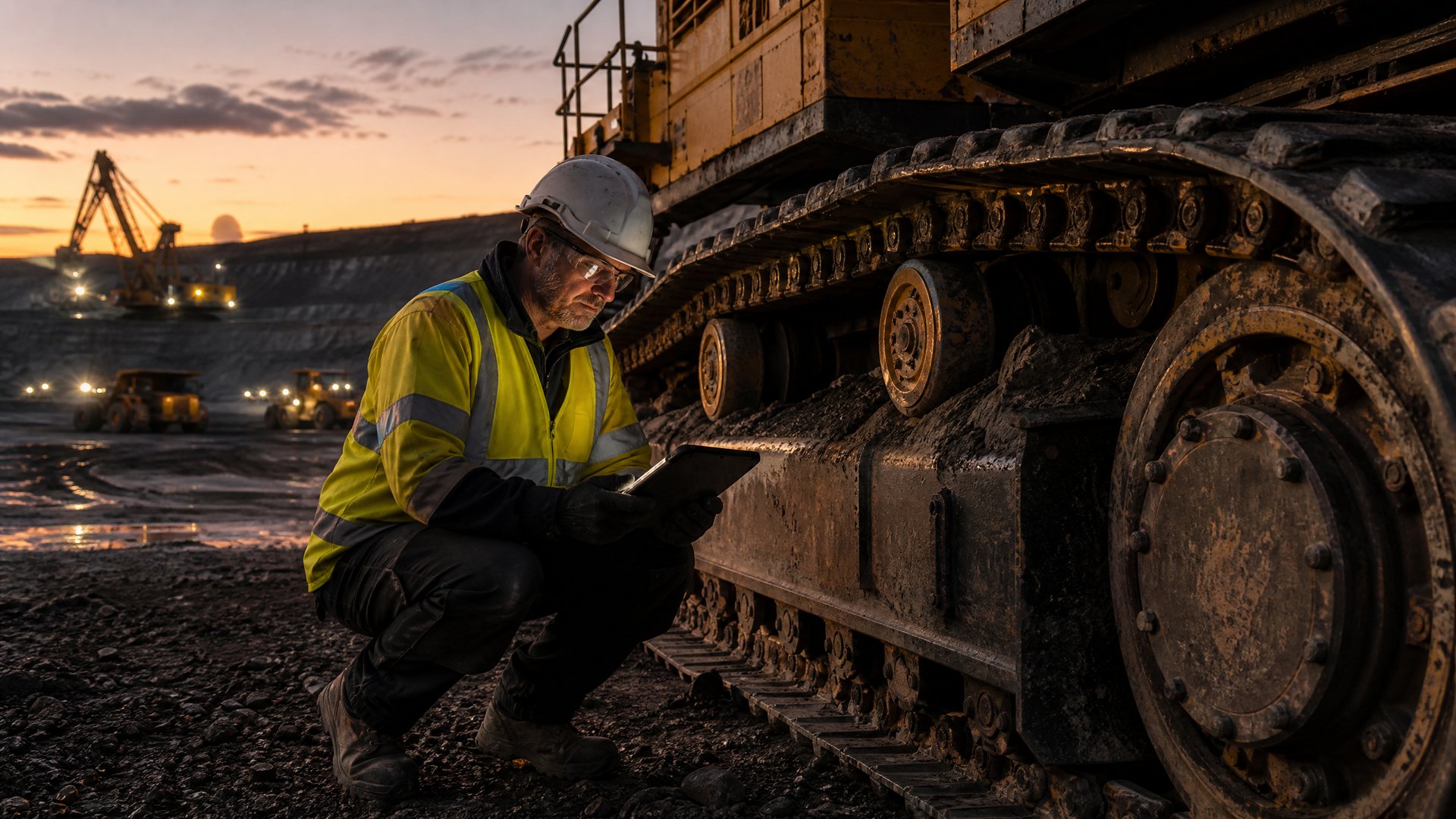

Learn how to find the right knowledge platform for mining with tips on collaboration, search, and sharing fixes across crews, shifts, and job sites.
When you’re out at a mining site and a machine starts acting up, flipping through giant manuals or waiting on a callback just slows everything down. That’s where a good knowledge platform for mining really earns its place. It's not just about storing files. It's about helping teams sort problems fast, share updates, and keep work moving.
But not all platforms work well for this kind of job. Some might look great on a screen but miss what crews actually need day to day. Before picking a platform, it helps to ask the right questions. Here are a few we think matter most when teams are hoping to save time, reduce errors, and keep machines running strong.
Choosing a Platform That Understands the Mining World
Mining jobs don’t happen in cozy offices. Work happens in remote spots, across tough weather, rotating shifts, and around big machines like excavators, haul trucks, and drilling rigs. The platform you pick needs to match that world, not just sit nicely on a laptop.
• Start with the basics. Does the platform support real field conditions? That means offline viewing, fast load times, and mobile access from a phone or trailer.
• Does it allow teams to flag info by machine type or job number? Whether it’s a Komatsu dozer or a Caterpillar 793, your crew should be able to tag fixes and tips by equipment type.
• Think about how people share on-site. If your team uses whiteboards, text threads, or clipboard notes today, your digital tools should feel like a better version of those, not a separate process that nobody has time to learn.
A platform that matches how your crew already works is one they’ll actually use. The conditions at mining sites are demanding, so any tool you use has to fit right in with the pace and style of the crew. Many workers depend on quick communication, and mining work doesn’t pause for slow apps or software that only runs back at headquarters. Picking something that really fits into the workflow makes day-to-day jobs less stressful and helps the team focus on the real problems rather than fighting the tech.
Can Operators and Mechanics Add Tips Easily?
Some of the best fixes don’t come from a manual. They come from someone in the field who’s seen the same issue, someone who remembers what worked. But if it takes five steps to upload a note or photo, that knowledge never gets shared.
• Look for a platform where photos, quick notes, or even short videos can be posted on the spot, right from a phone or tablet.
• The easier it is to add a tip, the more crews will do it. That means no bulky upload process and no waiting for a desktop login.
• Information should stick around. If someone drops a tip about a coolant sensor reset that worked last week, that note should be easy to find again, especially for night shift or newer team members.
Fast sharing keeps learning in the crew, even when workers rotate in and out or cover different machines. This process helps avoid the constant re-learning of simple fixes whenever a new face joins the team. It’s worth checking how each platform actually works in the field. Does it make sharing as easy as texting a buddy? The simpler the process, the more likely people will add useful info when it matters, instead of just when they have time back at the trailer. When the process is smooth, everyone can see tips and tricks in real time, keeping the knowledge base as current as possible.
Does the Platform Make Search Simple?
If you’ve ever tried scanning a 200-page PDF on your phone while standing next to a stalled machine, you know how frustrating that can be. A platform needs to do more than just hold info. It needs to help teams find it fast.
• Can you search using common terms like “filter swap” or “fault code 105”? The system should recognize the way crews speak, not just tech terms from a manual.
• Keep everything tied together. Past repairs, screenshots, and diagrams should sit on one page, not scattered through folders or random chats.
• Looks matter, too. If searching feels like guessing, crews will stop using the platform. Tools need to be fast, clear, and easy to click through, even with gloves on or dust in the air.
Search that feels natural makes the whole system work better, because when you can’t find it, it might as well not exist. Most of the time, the fastest answer is the best. If the platform’s search feature is strong, workers can track down step-by-step fixes with just a few words. It’s also helpful if workers can use common words or phrases they use every day, not just formal technical language. That keeps everyone, including newer team members, on the same page.
Can Crews Learn From Each Other Across Sites?
What happens on one site today might show up somewhere else next week. If crews can share across locations, learning spreads faster and fewer people get stuck repeating the same steps over and over.
• Look for platforms that connect knowledge between shifts, jobs, and regions. Tags, filters, and shared threads help operators see what’s been posted, even if it came from a different state.
• Repeat problems get easier to spot when fixes are posted in one place. Say three operators tag “fuel pressure drop on cold start” across multiple days. That trend helps managers plan ahead for seasonal prep.
• Quick posts or boards where people vote or comment on tips let the most helpful info rise to the top. It keeps learning active, not buried deep in old spreadsheets or emails.
When one crew’s quick fix helps five more avoid downtime, that’s real value, and real teamwork. Sharing between locations is also a way to avoid the frustration of facing the same breakdown someone else already solved. The bigger the company, the more value there is in making sure no one is starting from scratch. Even if crews are across different job sites, the platform should still allow ideas to move freely, connecting what people learn in one place to issues that come up elsewhere. When this happens, everyone stays ahead of equipment trouble and saves time.
Own What Works, Share What Matters
The right knowledge platform for mining isn’t just a spot to drop files. It should feel like someone in the crew who always remembers what happened last time, and has the photo or write-up to prove it. When tools are easy to use and match the work environment, people use them without thinking twice.
It all starts with asking better questions. Does it work out in the field? Can teams share on the fly? Can we learn across shifts? If the answer keeps coming up yes, the platform probably fits how your people actually work. And that keeps the job moving, even when machines don’t.
When your crews are spread across sites, shifts, or working with various heavy equipment, having the right tools makes all the difference. At Torqn, we know that streamlined systems help your team swap fixes, flag repeat issues, and keep critical knowledge flowing from one shift to the next. If you’re evaluating how your team shares, stores, and finds field knowledge, our knowledge platform for mining is designed to make collaboration and problem-solving seamless. Reach out using our contact form and let’s explore how we can help your teams work smarter, one shift at a time.