%20(1).jpg)

Crews stay ahead when fixes are shared. See how mining equipment knowledge sharing helps spot issues early and keep machines running strong.
Mining equipment doesn’t get a break, and neither do the crews running it. From freezing nights to long daylight shifts, this work puts machines under constant stress. If something breaks, the entire site can slow way down. If that machine is central to loading, hauling, or digging, things can come to a full stop.
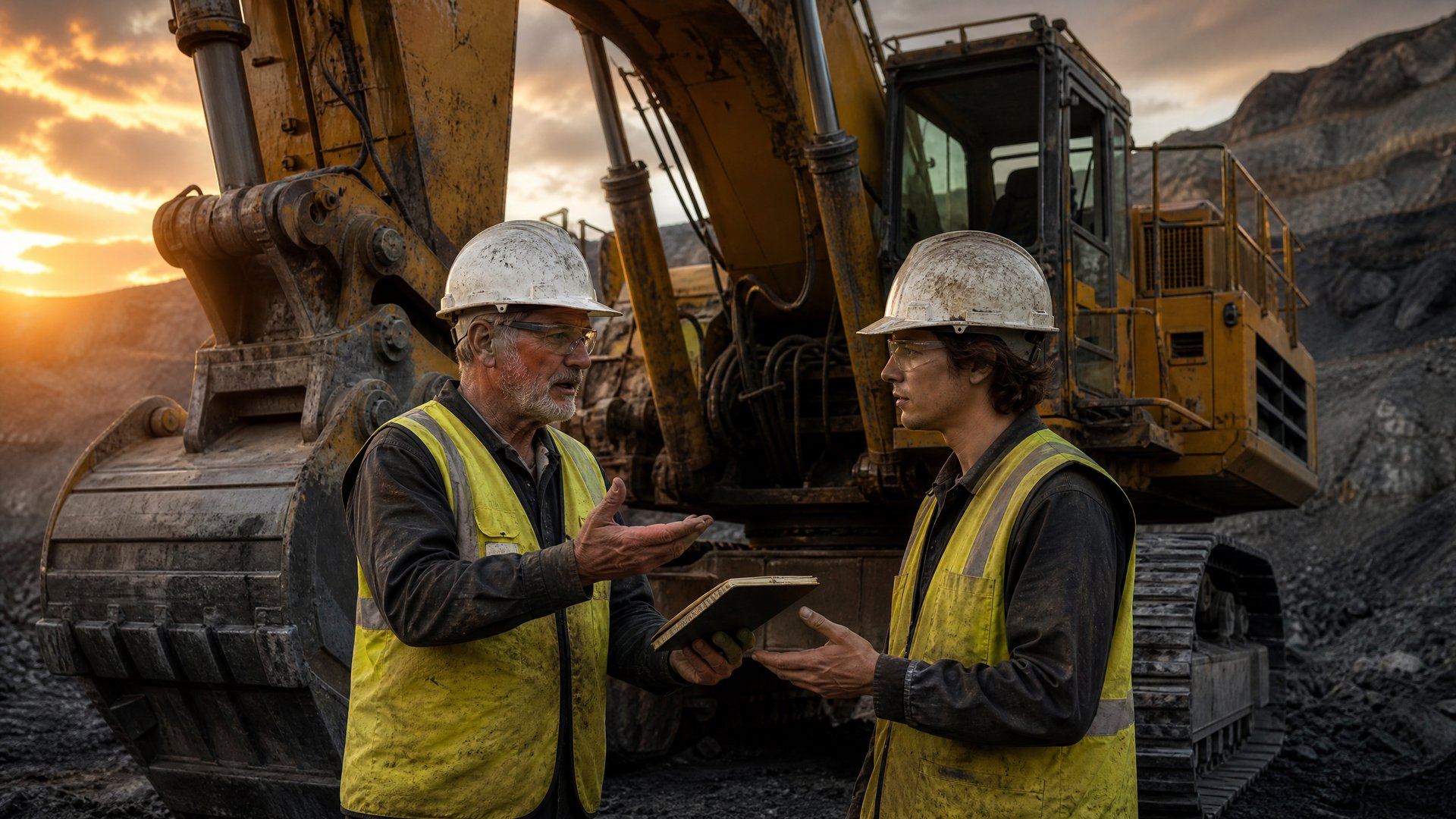
In our experience, the fastest way to get moving again isn’t just having the right gear ready. It’s having smarter ways to share what we learn about that gear. That’s where mining equipment knowledge sharing makes a difference. When we log issues, post fixes, and pass along shortcuts that work, we stop problems from repeating. When those ideas are saved and easy to find, even the toughest breakdown becomes a little easier to handle.
By having the right mix of habit, teamwork, and easy documentation, crews can get ahead of those stressful moments in the field. What people often miss is that sharing fixes is as important as the repair itself. The more these moments get recorded, the less often crews find themselves reinventing the wheel.
Why Breakdowns Spread Faster than You Think
One broken machine rarely stays one crew’s problem. If a loader is out, rock sits untouched. If a truck stalls, other hauls back up behind it. The ripple effect adds up faster than most expect.
• Equipment is often shared between crews, so one issue travels from shift to shift
• Delays grow when no one remembers how a problem was fixed last time
• Cold weather adds more pressure by pushing parts and fluids to the edge
A breakdown on a mine site can affect not just one group but several teams. Machines, tools, and vehicles often rotate through different hands. If a problem occurs on a night shift but isn't fixed or reported, the day crew will likely have to start their shift with that same issue. This leads to confusion, wasted time, and sometimes repeated troubleshooting for a fix that someone else already figured out. On a busy site, those minutes add up quickly.
The cold months make machines harder to start, slower to warm, and more likely to freeze in the wrong places. When repairs don't happen fast, whole teams find themselves standing around waiting instead of working. That’s where shared tools and fix logs become more than useful. They become part of staying on track.
How Shared Fixes Help Catch Problems Sooner
A lot of issues don’t start big. They start small, then grow because nobody caught them early. That’s why it helps when operators write down what went wrong, even if it seemed minor at first.
• Repair notes and quick blurbs about what caused a fault help others spot the same warning signs
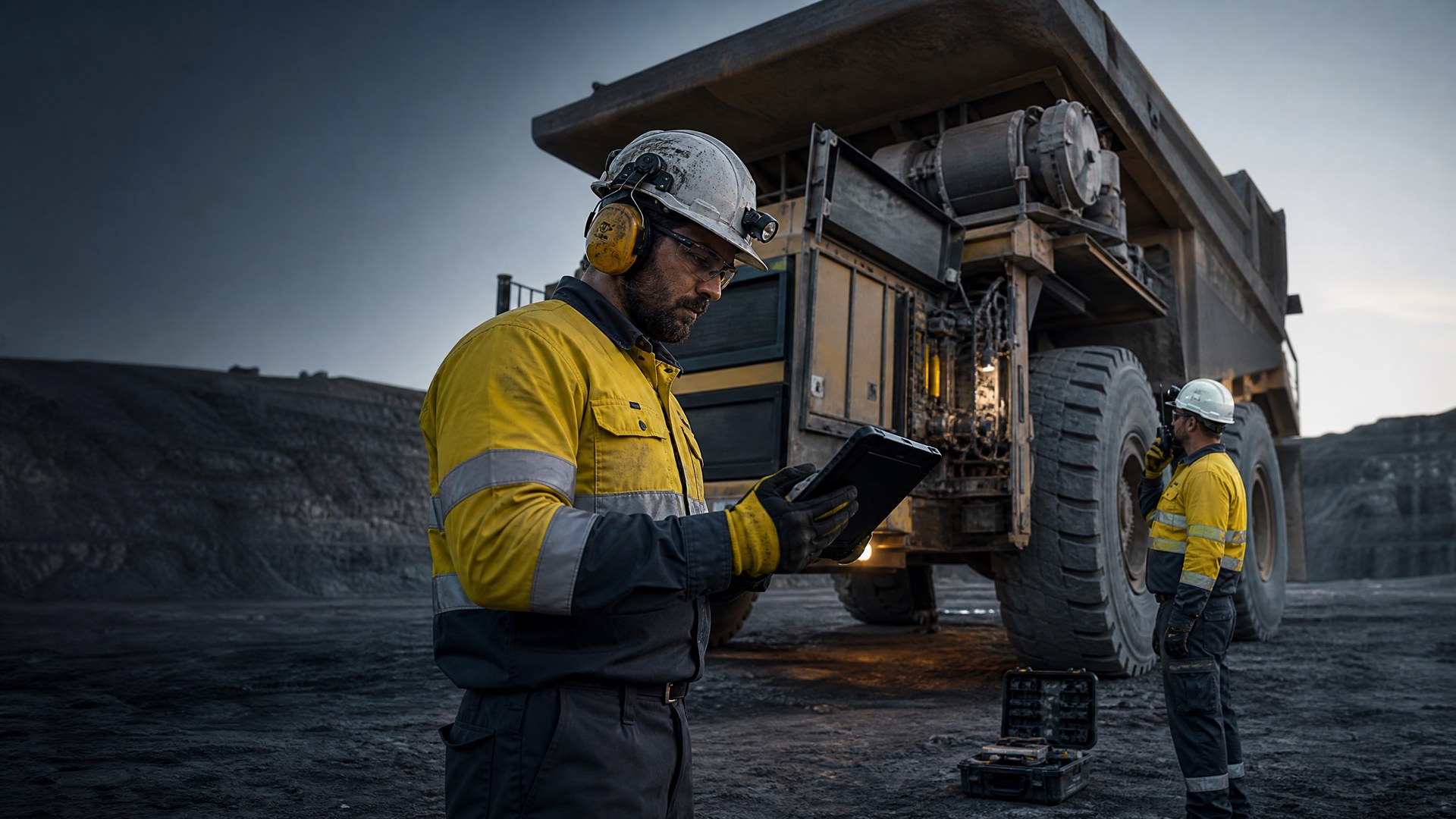
• Photo logs make it easier to show, not just tell, what was replaced or patched
• Group messaging threads or shared forums stop separate crews from fixing the same thing twice
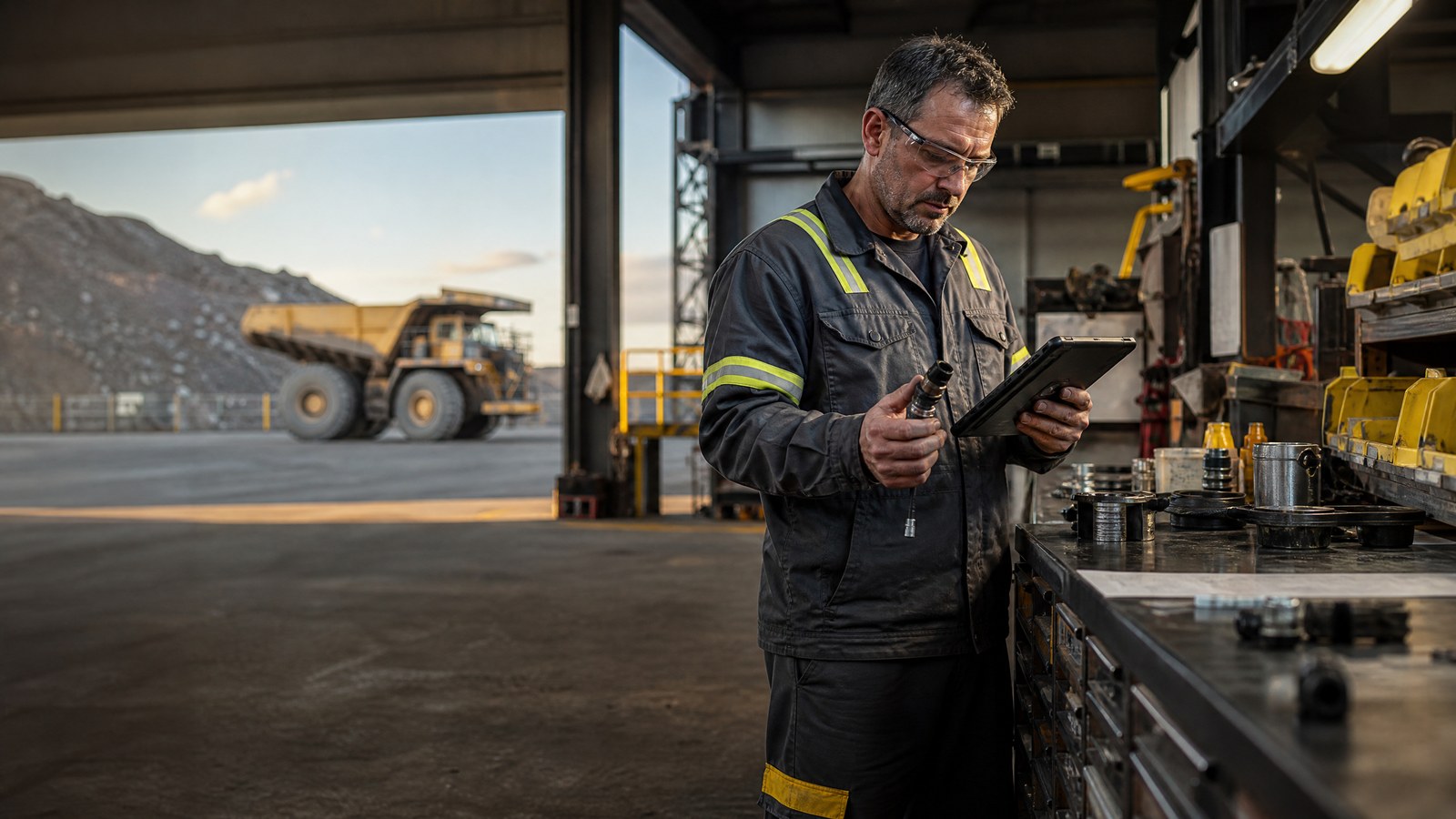
By putting notes, comments, or even a simple photo of a damaged part in a shared folder, everyone benefits from the lesson learned. These logs and blurbs are vital when new issues crop up, what seemed minor for one operator could be the sign of an emerging problem for someone else. Over time, a habit of documenting even “small” fixes protects the fleet against costly surprises.
When people can read through past field notes or check a shared thread before starting their shift, they save serious time. Fewer guesses. Less back and forth. Better focus on what actually needs to be done.
When operators learn to trust and use these shared resources, they can become faster at catching warning signs that might otherwise go unnoticed. A small leak one week turns out to be the symptom of a larger issue; if it’s already logged, the next crew can catch it and report it sooner.
Learning Across Sites and Crews
What breaks in one mine often ends up breaking in another. That’s part of why sharing repair habits and season-specific wear issues matters. One crew hitting the same frozen valve every February can help others brace for it too.
• Notes from different sites show patterns that a single yard might miss
• Weather and wear reports across regions reveal how climate affects equipment over time
• Shared checklists let crews compare how different operators handle identical machine setups
The advantage of cross-site knowledge sharing is that trends and patterns become clear. For instance, if several crews in the same region record similar shutdowns or failures with a specific part, everyone can adjust before the breakdown happens to them. The same principle applies to winter prep or summer heat, what works at one site can improve readiness at others.
With wide access to the same knowledge base, we don’t all have to learn things the hard way. We can pass along what saved us hours of guessing and let someone else win that round faster.
By using a system that supports easy access to past checklists and repair notes, teams are better equipped to address repeating issues and adapt as required. Over time, this habit builds a stronger, more resilient workforce.
Building a Clear, Searchable Knowledge Hub
Good ideas don’t help anybody if they’re buried in a group text or lost in someone’s notebook. Our solution has been to build a system where that knowledge lands in the same place and stays easy to find.
• Organizing tips by machine model, part, or fault lets crews get answers faster
• Tags like “fuel system,” “cold start,” or brand names make searching simpler
• A shared hub becomes more useful with each post, growing into a tool that works better over time
No one wants to spend half a shift looking for a fix buried in email threads. By setting up a clear, searchable knowledge hub, everyone from new hires to seasoned operators can find answers when they need them. Tagging mechanics’ notes with clear labels and model names means a simple search leads straight to the fix.
When a problem hits mid-shift, it helps to type in a tag and find what someone fixed two winters ago. That speed matters when hands are cold and the clock’s ticking.
What makes a knowledge hub work is a simple interface and logical organization. Tips, best practices, and step-by-step guides become resources, not clutter, if properly tagged and easy to browse. Over time, the hub grows in value as more entries are added and updated throughout each season.
Fewer Surprises, More Up-Time
A smooth shift doesn’t happen by chance. It comes from crews being ready and knowing where to look. When someone new joins, they pick things up faster if the fixes are already laid out in a shared thread or folder.
• Repeat issues become less common when fix logs show what worked last time
• Training takes less effort when seasoned crew knowledge is saved, not just spoken
• Issues stop being surprises. They become one more thing we knew how to handle
There is no substitute for experience, but capturing and sharing that experience multiplies its value. When crews use shared fix logs and checklists, teams waste less time and train new members more quickly. Troubleshooting no longer depends on who happens to be on shift, solutions are right where everyone can find them.
That kind of readiness pays off when every minute counts. The less time we spend searching for answers, the more we stay focused on keeping machines moving.
A good fix log is especially valuable during handovers between shifts or during the rush at season changeovers. Lessons written down prevent headaches and keep jobs moving along, even when things get busy. Over time, this habit results in fewer breakdowns and a stronger sense of teamwork.
Shared Knowledge Keeps the Job Moving
No matter how well we maintain our gear, breakdowns still happen. But they don't have to throw off the whole shift every time. When knowledge flows easily between teams, we stay better prepared.
Logging what we've fixed, how we fixed it, and what to watch for turns maintenance into teamwork. We stop treating problems like puzzles and start seeing them as shared challenges with shared answers. Good gear matters, but what keeps us running is knowing how to face the hard days together. That kind of connection helps us go from downtime to uptime a lot quicker.
At Torqn, we’ve seen firsthand how much faster crews work when answers are right at their fingertips. Centralizing simple fixes and lessons learned helps your team stay ahead of slowdowns. If your site could use better support across shifts, now is the perfect time to see how mining equipment knowledge sharing can help everything run more smoothly. Ready to make collaboration part of your daily workflow? Contact us to get started.