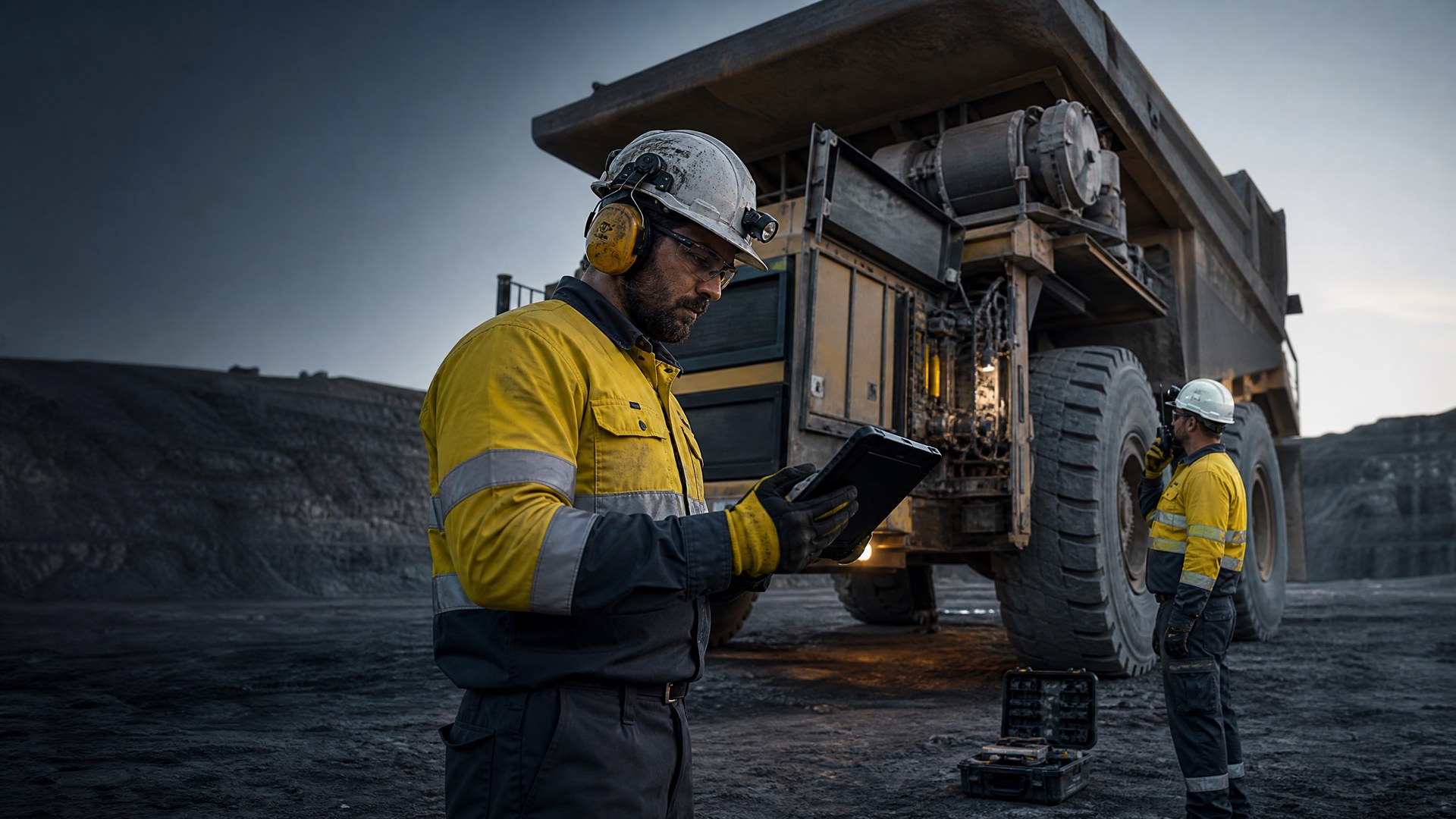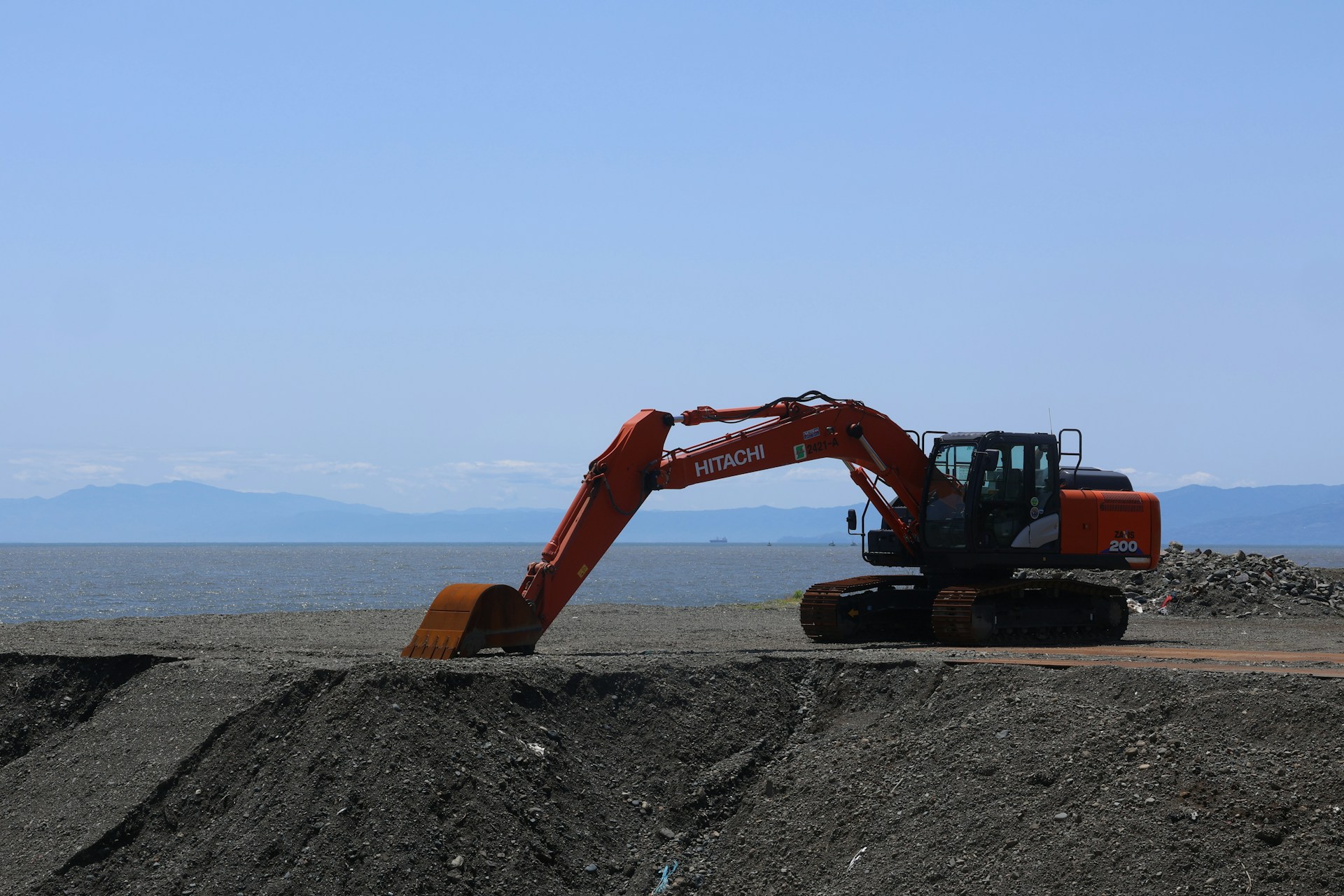

See how crews use real fixes and shared tips to get the most from Hitachi gear when winter hits hard and every cold start counts. Learn more here!
Cold weather doesn’t wait for the work to stop. For crews working outdoors in freezing conditions, the gear they bring matters as much as the crew beside them. Hitachi machines are often a go-to choice on winter sites because they’ve earned a name for standing up to tough jobs. But even reliable equipment can struggle when it’s too cold. Slow starts, frozen lines, or sensors that just won’t read right can throw off the whole morning.
What helps most isn’t just the right gear. It’s the shared know-how that keeps crews ahead of the cold. When operators post what worked, what failed, or what made the job faster, others get to skip the guesswork. This is where forums, photo notes, and shared updates make all the difference. Let’s talk through when Hitachi tools really hold up best in the cold, and how good information makes them even better.
What Cold Weather Really Does to Equipment
Ice doesn't just sit on the surface. It sneaks into small parts, slows down oil flow, and clogs vents. Machines that are solid during warm months can behave differently when the temperature drops below freezing.
• Engines can lag or stay stuck in low idle for too long
• Hydraulics get thick, making movement sluggish and harder to control
• Sensors stop reading clearly or send off alerts that aren’t needed
It’s not always a design issue. Cold shifts bring out weak spots that don’t show up otherwise. Crews using Hitachi excavators, for example, sometimes deal with lift arms that don’t respond until everything’s warmed, steering that drifts slightly, or fuel that just won’t flow like it should.
Winter weather also puts a strain on batteries and charging systems, making starts harder and turning minor issues into big delays. Lubricants may thicken, causing gears to grind or move slowly. Even cab controls can stiffen up and cause small problems that would never appear on a sunny spring day. That’s why shared stories matter even more.
Tips traded during toolbox talks or passed around by text help teams spot these things early. Learning from someone who’s already fixed the issue means spending less time troubleshooting and more time getting the work done.
How Crews Use Forums to Share Hitachi-Specific Fixes
Manuals don’t know the jobsite. Forums do. Operators who’ve worked through gear problems post quick tricks that make a real difference during the coldest months. We see this a lot with Hitachi models, where the general guide might say one thing, but the field workaround makes more sense in practice.
• Adjusting warm-up cycles based on job type or weather gives machines a smoother start
• Resetting certain controls after long truck hauls helps avoid surprise alerts mid-shift
• A snow-day setting that limits engine power during early hours can now be toggled by shortcut, thanks to user posts
Simple forum tips for Hitachi equipment sometimes include covering hydraulic lines to keep in warmth, using hand warmers on control panels, or changing the timing of maintenance checks to fit odd winter hours. Some operators swap out fluids for cold-weather blends, while others have found success wrapping sensors with insulating foam for extra protection.
Being able to sort posts by model or issue saves time. When a loader acts up during snow prep work, crews don’t want to scroll through dozens of unrelated comments. With tags and smart labels, they can find answers from other cold-weather operators in seconds. These quick searches have saved many crews from losing an entire morning to a minor problem.
Real-Time Updates That Keep Winter Work on Schedule
It’s not just about what people have learned. It’s about how quickly they can pass it on. In the middle of a freezing morning, no one has time for long talks or paperwork. A quick message through a crew app or a shared fix posted to the group board makes more sense.
• When a part shifts out of place, the first person to spot it sends a photo, saving everyone else the check
• A pop-up post about a blocked fuel line hits right before the next shift arrives, cutting out hours of downtime
• One winter, a crew pinned a note showing how to flush ice from a crane’s drain line at the end of each day
Small things like that add up, especially when hands are cold, time is tight, and the next job is already waiting.
Sometimes these updates even point out shortcuts or fixes that aren’t in the manual. For example, if a switch sticks in the cold, someone might post a simple procedure for clearing the issue. Others might show how to check heater lines or reset error lights after clearing snow from key machine parts. These bits of practical, day-to-day advice help crews avoid the trial and error that can drag work down.
Real-time communication helps catch issues as they happen, rather than after they’ve caused a bigger problem. Quick messages and photos give everyone a head start, especially when a new challenge pops up in the middle of a long shift. Crews stay better prepared when new tips arrive as soon as they’re needed most.
Keeping Knowledge for the Next Winter
The cold doesn’t care if it’s your first season or your fifteenth. What you remember is what saves you. We’ve learned that crews who document the tough fixes, the quick ideas, and the mistakes not to repeat have an easier time re-starting when winter rolls back around.
• Notes saved from last year remind teams what spares to bring before snow hits
• Shared screenshots of setup screens get reused to train new hires in five minutes, not fifty
• A tag like “Hitachi winter fix” makes it simple to find all cold-weather posts from past seasons
Crews often rely on last season’s lessons to prepare for new cold snaps. They look over checklists for which heaters or cables tend to fail first and double-check supplies they know can run short. When every fix and field note stays available for the next team, no one wastes time repeating avoidable errors.
Archived forum posts, group photos, and saved repair logs become the quick references that let new crew members learn fast. Even seasoned teams save time by scrolling through reminders of last year’s shortcuts. With everything saved in an organized place, a crew on their first cold snap stands a lot closer to the knowledge of a crew that’s seen it all before.
It’s not just about solving this week’s problem. It’s about building a manual that actually works because it came straight from the crew who saw the issue first.
Working Smarter When the Cold Hits
There’s no beating winter. But there is outsmarting it. When crews work together and keep their knowledge close, machines like Hitachi do more than just hold up. They thrive.
Every saved tip, shared shortcut, or group post turns into a tool just as strong as the one bolted to the machine. Operators avoid repeat service calls. Jobs run closer to schedule. And when next winter rolls in, nobody’s starting from scratch.
Sharing lessons learned builds trust between operators, mechanics, and crew leads. When someone speaks up about a recurring issue, it’s easier for others to spot it sooner the next time. It also just makes the day go by smoother, knowing your questions can be answered by somebody else who’s been there before.
Reliable tools matter, but the real power comes from what people pass on. That’s what keeps machines running, and crews ready, no matter how cold it gets.
We’ve seen time and again how a quick fix shared between crews can make a big difference on a cold jobsite. Whether it’s a fuel line trick or a warm-up shortcut, real experience keeps work moving when it's below freezing. That’s why we build spaces for teams to log and trade notes, especially for machines like Hitachi that get pushed hard through winter. At Torqn, we make it easy to turn those field smarts into tools that everyone can use. When your crew is ready to work smarter next season, contact us to start your own knowledge hub.