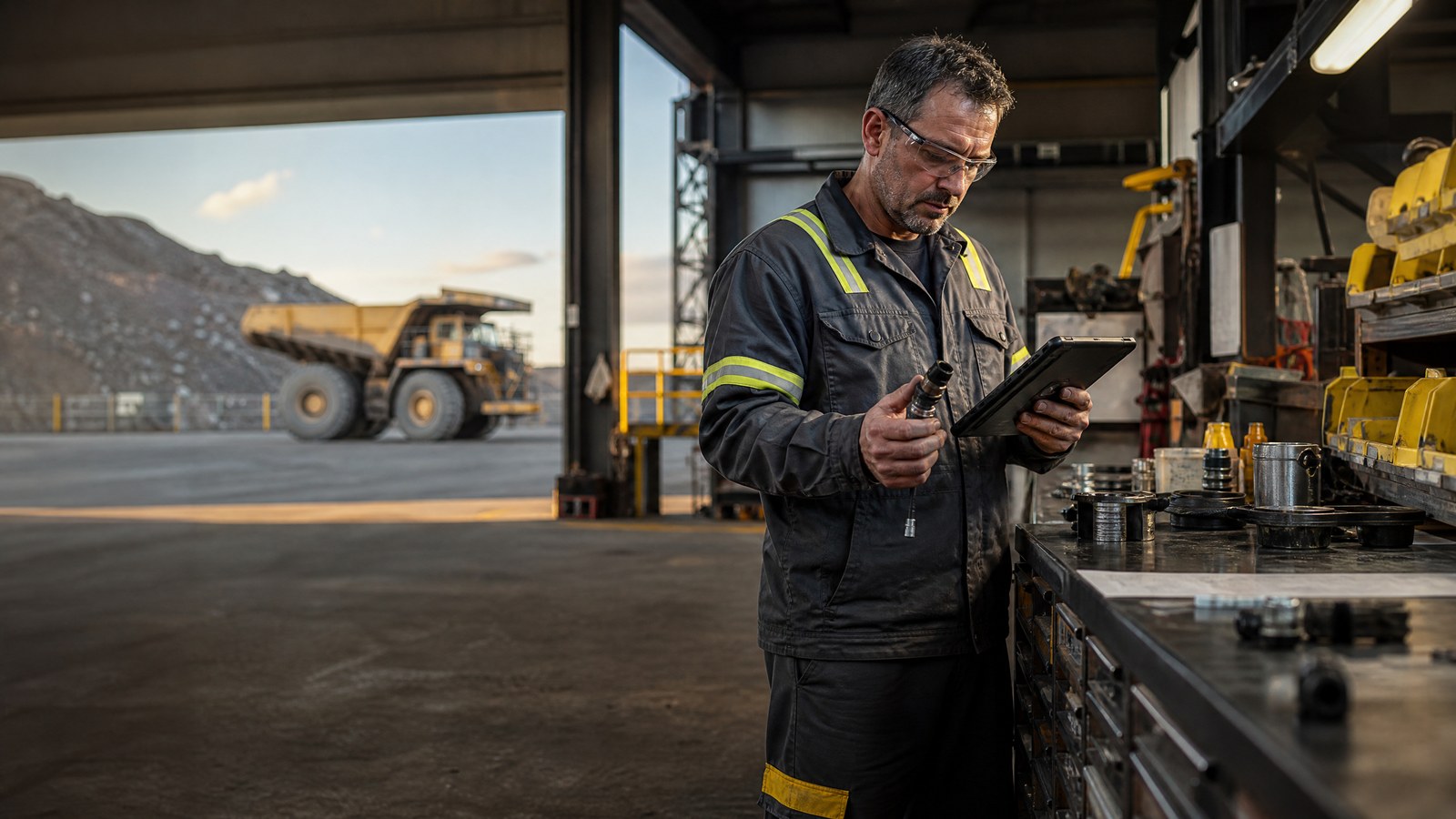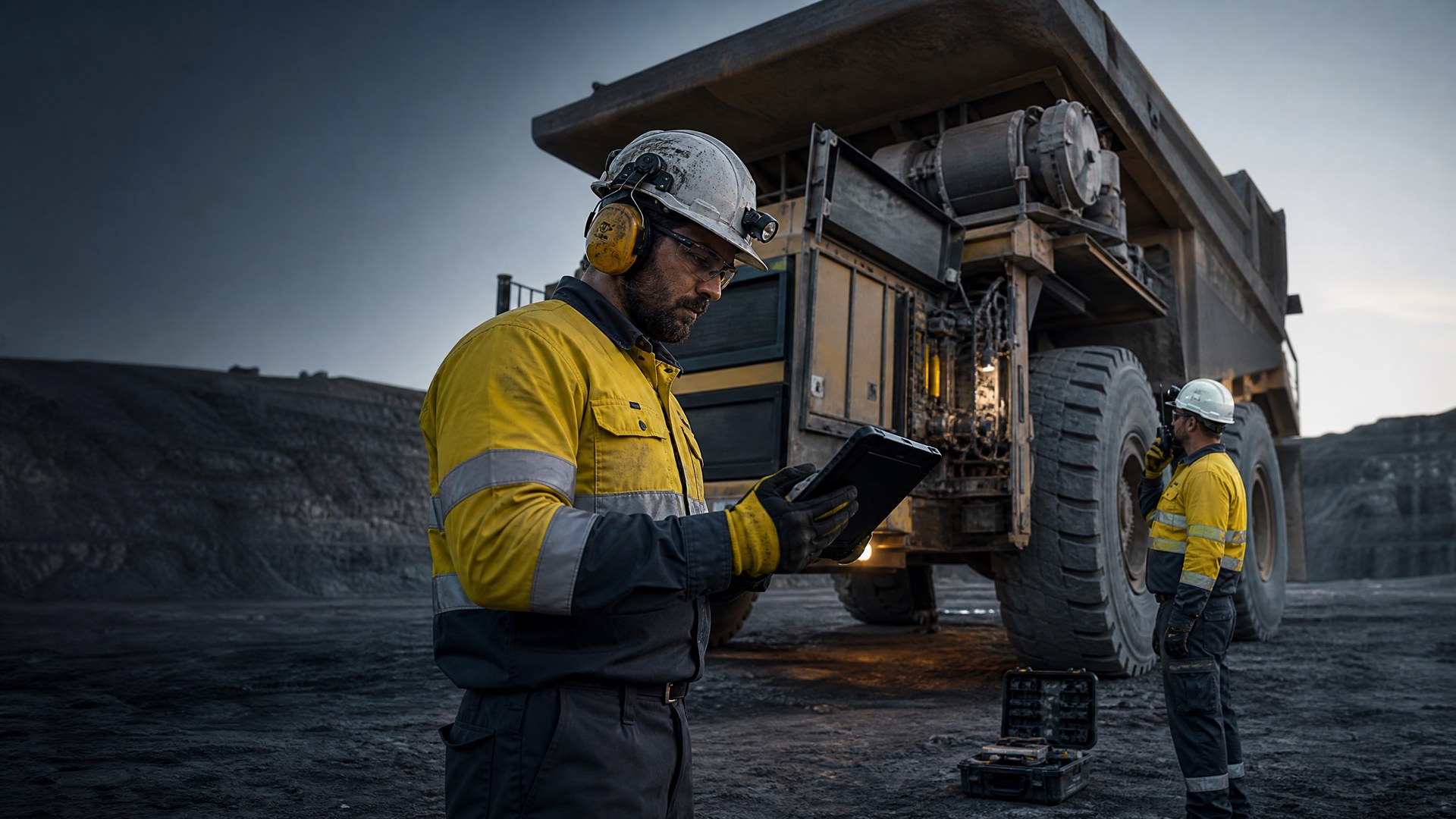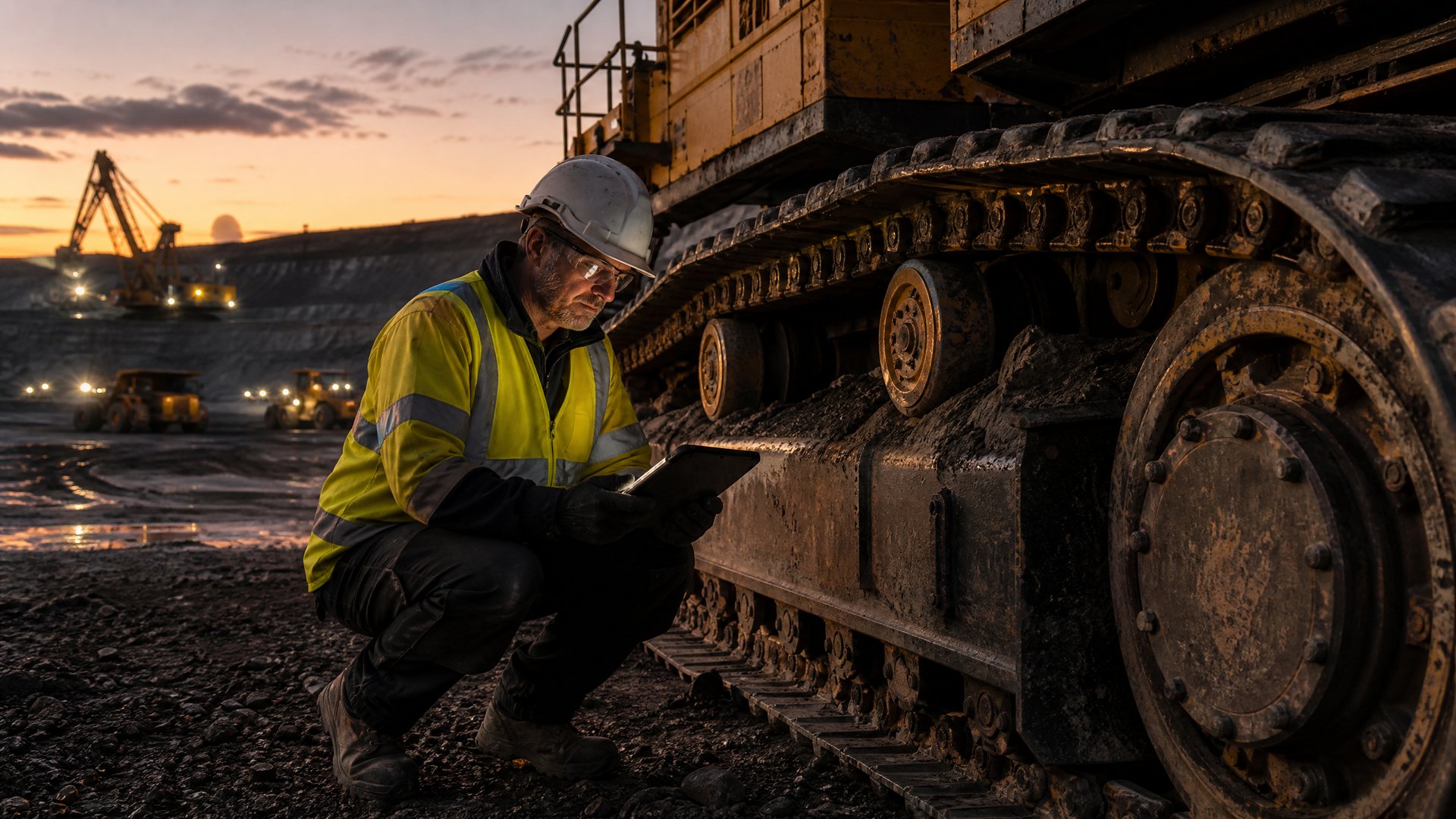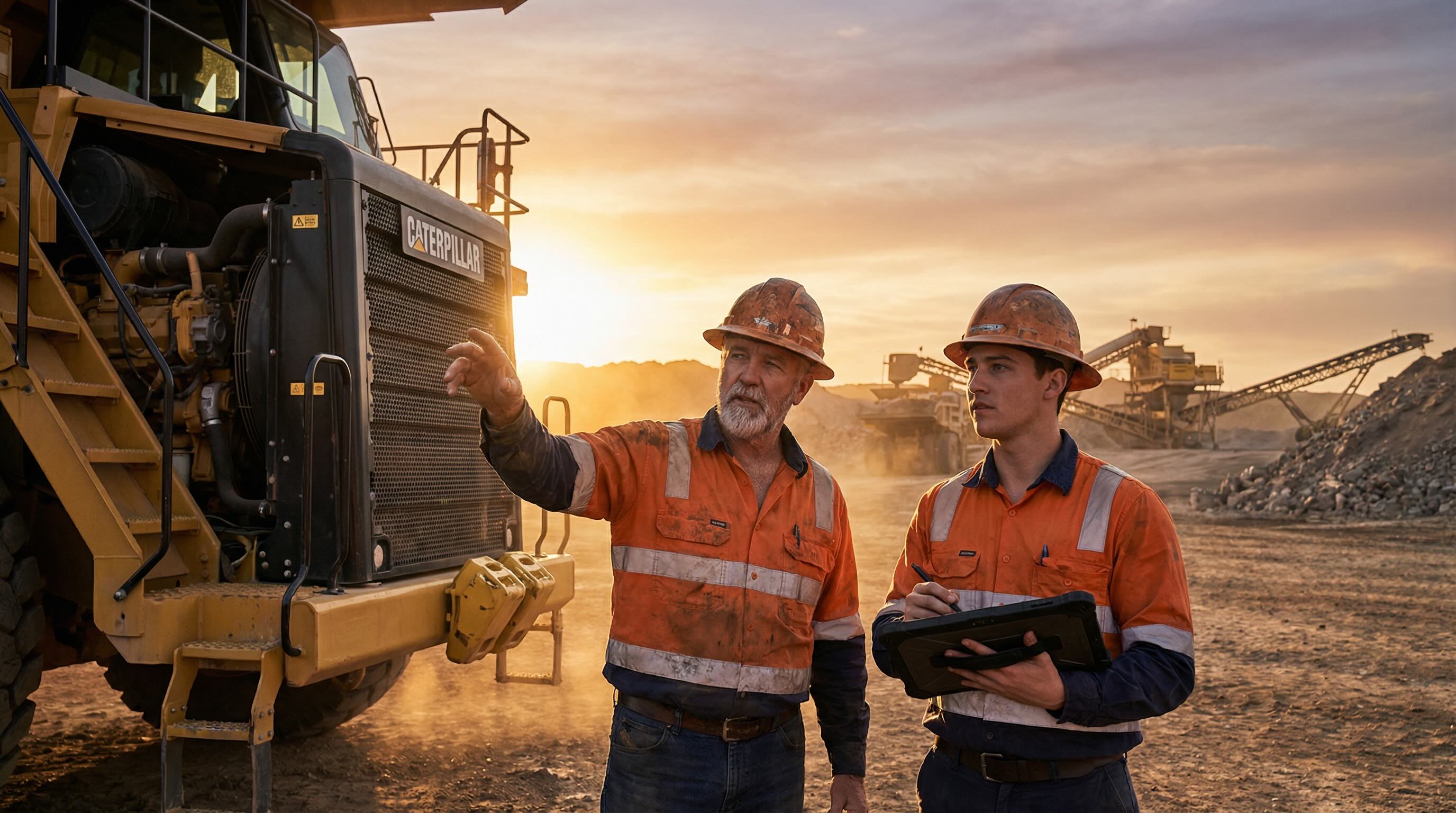

Radios keep crews connected in the moment, but the knowledge shared over them vanishes after the call. Modern platforms capture, index, and connect every interaction
From Crackle to Clarity: The New Era of Mine Site Collaboration
For decades, the two-way radio has been the backbone of communication on mine and construction sites. It's rugged, reliable, and instantly connects teams across vast distances. But in today's increasingly complex and data-driven operational environments, is the familiar crackle of the radio enough? We'd argue it's not. While radios excel at immediate, synchronous voice communication, they fall short in capturing the rich, contextual data that prevents repeat mistakes and drives operational intelligence. The future of high-stakes collaboration lies in platforms that integrate voice, text, video, and data into a single, persistent conversation.
Beyond Instant Voice: The Power of Asynchronous Knowledge
A critical radio call about a hydraulic leak on a haul truck is vital in the moment. But what happens to that knowledge after the immediate crisis is resolved? It vanishes into thin air. The next crew, on the next shift, facing the same problem, starts from scratch. This is the fundamental weakness of voice-only communication: it's ephemeral. Modern collaboration platforms create a persistent, searchable record of every interaction. A technician can leave a detailed note, attach a photo of the leaking component, and even link to the relevant section of the digital manual. This creates an ever-growing knowledge base, turning every incident into a learning opportunity.
From Fragmented Data to a Single Source of Truth
Think about the typical information flow on a large site. A supervisor gets a production update via text, a maintenance alert comes through a proprietary app, and a safety bulletin is pinned to a physical board. This fragmentation is not just inefficient; it's dangerous. It creates information silos that prevent teams from seeing the full picture. An enterprise knowledge graph, accessible through a unified collaboration platform, breaks down these silos. When a geologist updates a ground stability report, the blast crew is automatically notified. When a dozer operator flags a section of road as unstable, that information is instantly available to every haul truck driver on site. This is the power of connected data.
"The goal is to move from a reactive 'break-fix' model to a proactive, predictive one. You can't do that when your most valuable data disappears the moment it's spoken."
Case Study: Solving a Haul Truck Breakdown with Collaborative Tech
A haul truck driver reports a loss of power and a warning light on their dashboard. Instead of a garbled radio call, they use the TORQN platform:
Step 1 — Initial Report: The driver creates a new issue, attaching a photo of the dashboard warning light and a short voice memo describing the symptoms. The report is automatically tagged with the truck's ID and current location via GPS.
Step 2 — Remote Triage: A remote maintenance supervisor reviews the report. They access the truck's historical maintenance data through the platform and see a similar issue occurred two months prior. They loop in a senior mechanic, who is currently at another site.
Step 3 — Collaborative Solution: The senior mechanic reviews the photos and data, and provides step-by-step instructions via a recorded video message, pointing out the specific sensor to check. The on-site technician follows the instructions, resolves the issue, and marks the task as complete, adding their own notes for future reference.
The entire interaction — from initial report to final resolution — is captured, indexed, and instantly searchable. The next time that fault code appears on any truck in the fleet, the solution is just a query away.
What to Look for in a Modern Collaboration Platform
When evaluating tools to move beyond radio, consider the following:
Multimodality — Does it support text, voice, images, and video? If your team can't share a photo of a cracked weld or a 10-second clip of an unusual engine noise, you're leaving critical context on the table.
Persistence — Is all communication stored and easily searchable? Every interaction should become a permanent, queryable record that future crews can learn from.
Integration — Can it connect with your existing fleet management, maintenance, and safety systems? A collaboration tool that sits outside your tech stack creates yet another silo.
Context-Awareness — Does it automatically tag information with relevant metadata like location, equipment ID, and user credentials? Manual tagging doesn't happen under pressure.
The crackle of the radio will always have a place on site. But for capturing the deep, hard-won knowledge that truly drives safety and productivity, it's time to embrace a new era of connected, collaborative platforms. It's time to build a knowledge graph, not just a communication network.