
Collaboration isn’t a soft perk. The best-run mines and contractors use structured knowledge-sharing to cut downtime, improve safety, and win more work.
Collaboration isn’t a feel-good perk—it’s a hard-number advantage. PwC’s CEO Survey found companies that prioritised collaboration were five times more likely to be high-performing. The Institute for Corporate Productivity reports that “high-collaboration organisations” are 2.5x more likely to outpace peers in profitability and market share. In heavy industry that translates into faster fault resolution, safer shifts, and lower cost-per-tonne.
What the research says
- Pillar 1: Financial performance. PwC’s global data shows collaborative cultures 5x more likely to hit top performance brackets.
- Pillar 2: Innovation throughput. i4cp found collaborative companies are 2.5x more likely to be top performers on profitability and market share.
- Pillar 3: Safety & quality. McKinsey’s asset-heavy benchmarking shows cross-functional collaboration can cut incident rates by up to 20% and shrink maintenance backlog 15–30%.
Those gains only happen when knowledge is captured and shared. That’s where most mines, contractors, and OEMs still struggle.
The frontline reality
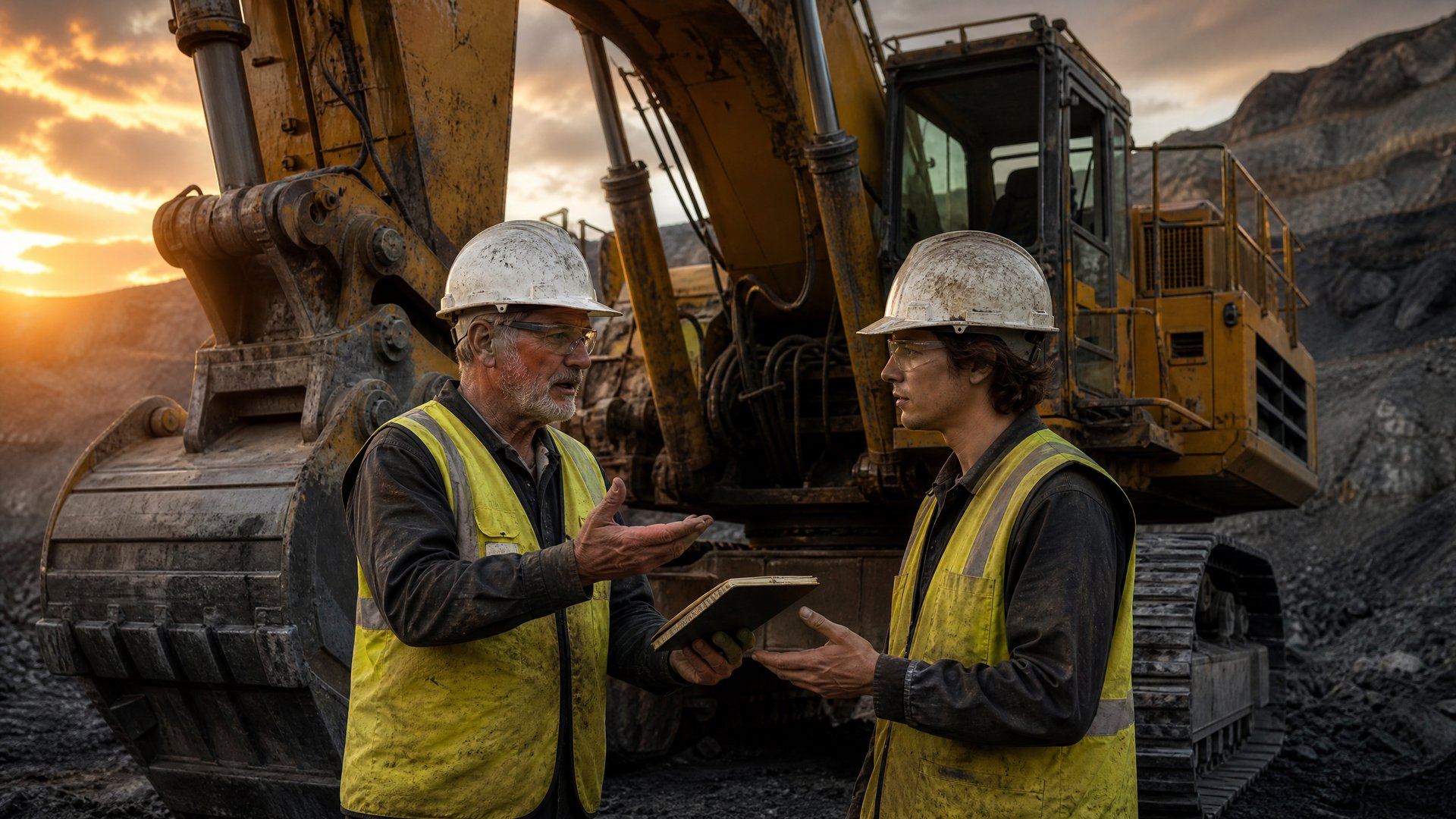
When a digger throws an intermittent fault, the fix usually lives in someone’s head, a WhatsApp thread, or a personal logbook. If the right person isn’t on shift, the problem repeats. Collaboration breaks because context isn’t in the hands of the crews doing the work.
Torqn Enterprise changes that dynamic. It turns tribal knowledge into a structured, searchable network so every operator, fitter, and engineer sees what the best crews already solved.
What Torqn Enterprise delivers
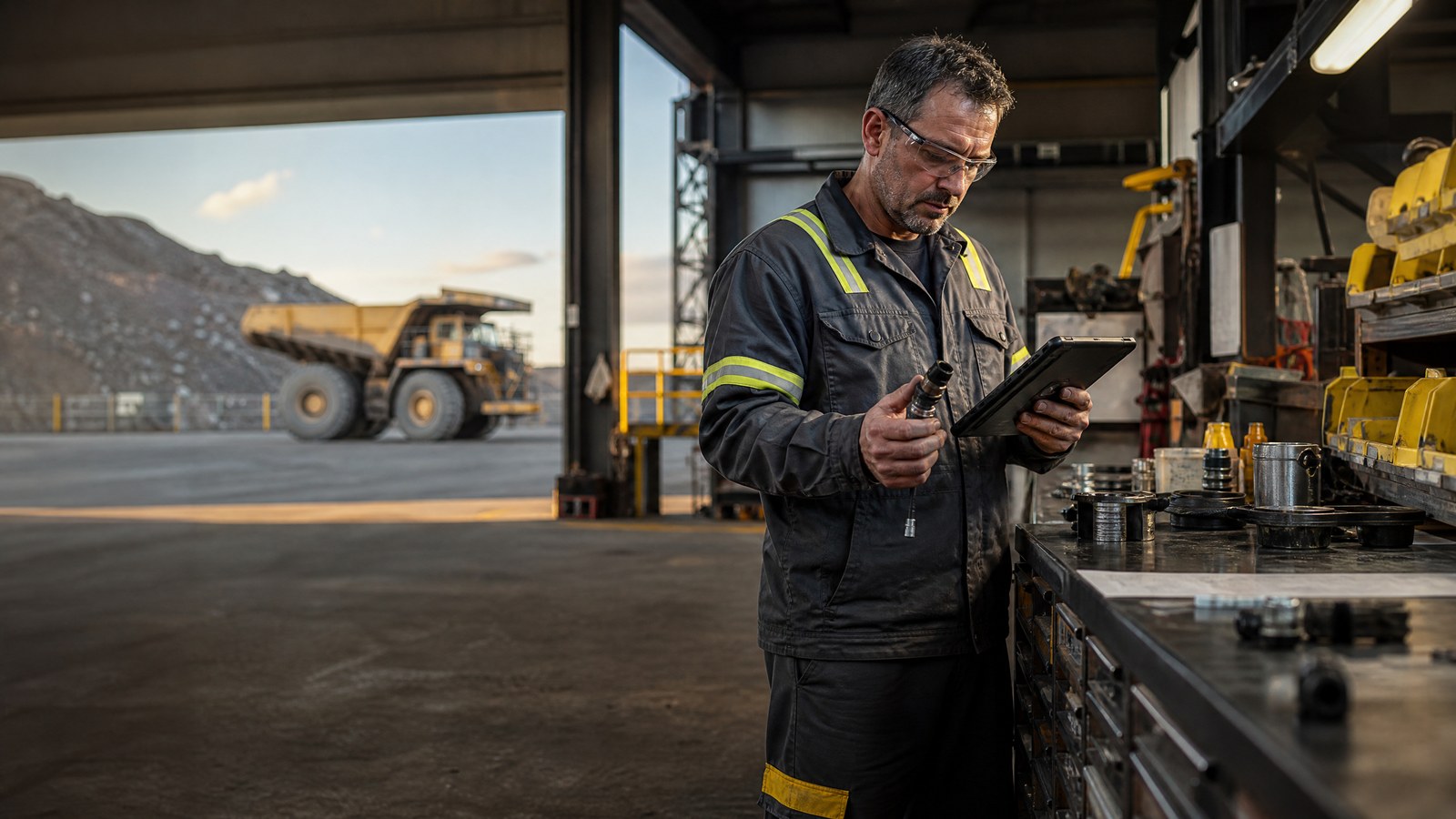
- Capture once. Operators and maintainers record faults, fixes, parts used, and risk notes in seconds.
- Structure automatically. Torqn tags every entry by asset, location, component, and priority so teams can filter and analyse.
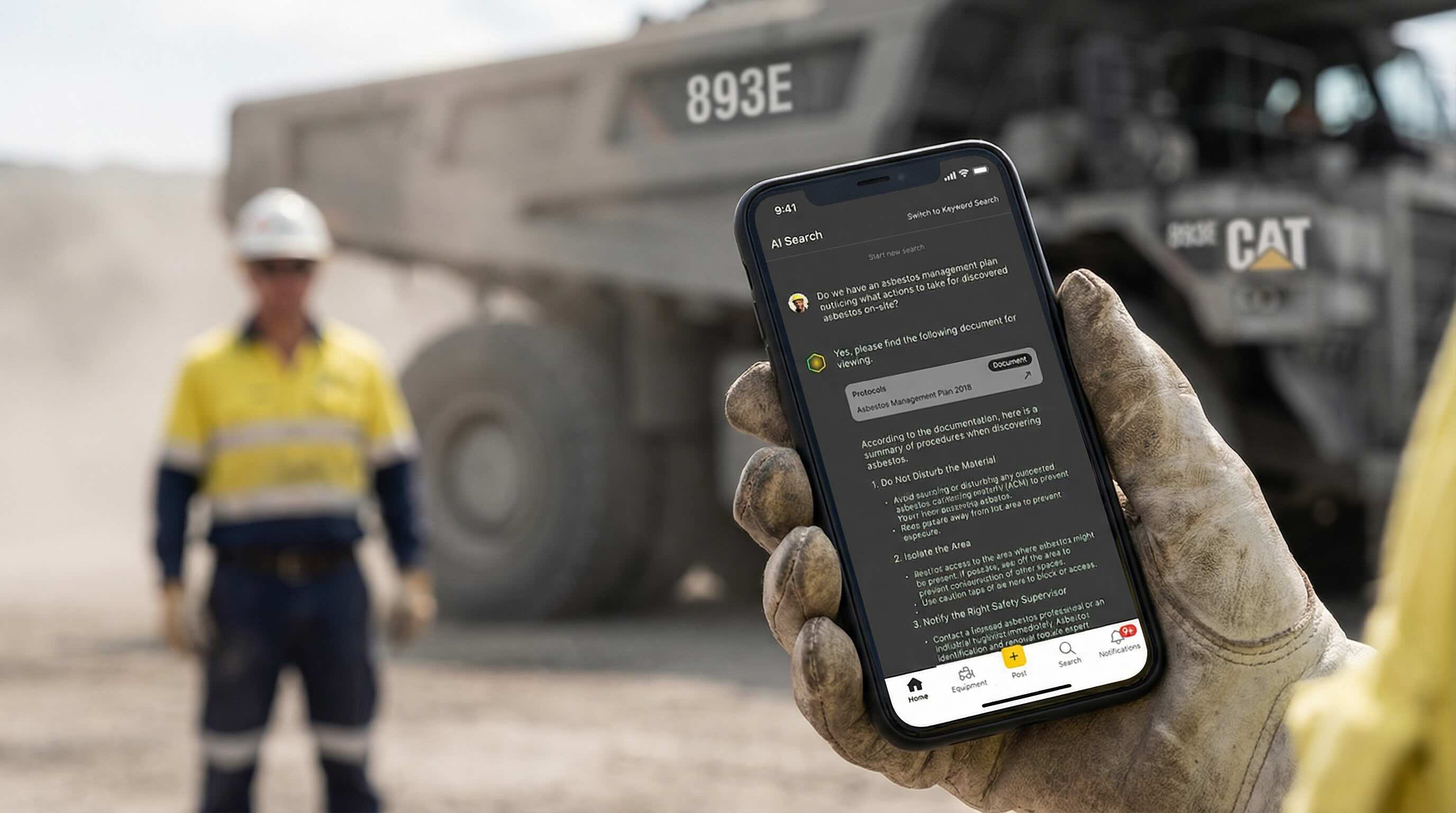
- Broadcast instantly. Alerts, digests, and search make sure the next crew has the answer before they start the job.
From research to ROI
Here’s how the studies above translate to day-to-day KPIs when Torqn Enterprise is live:
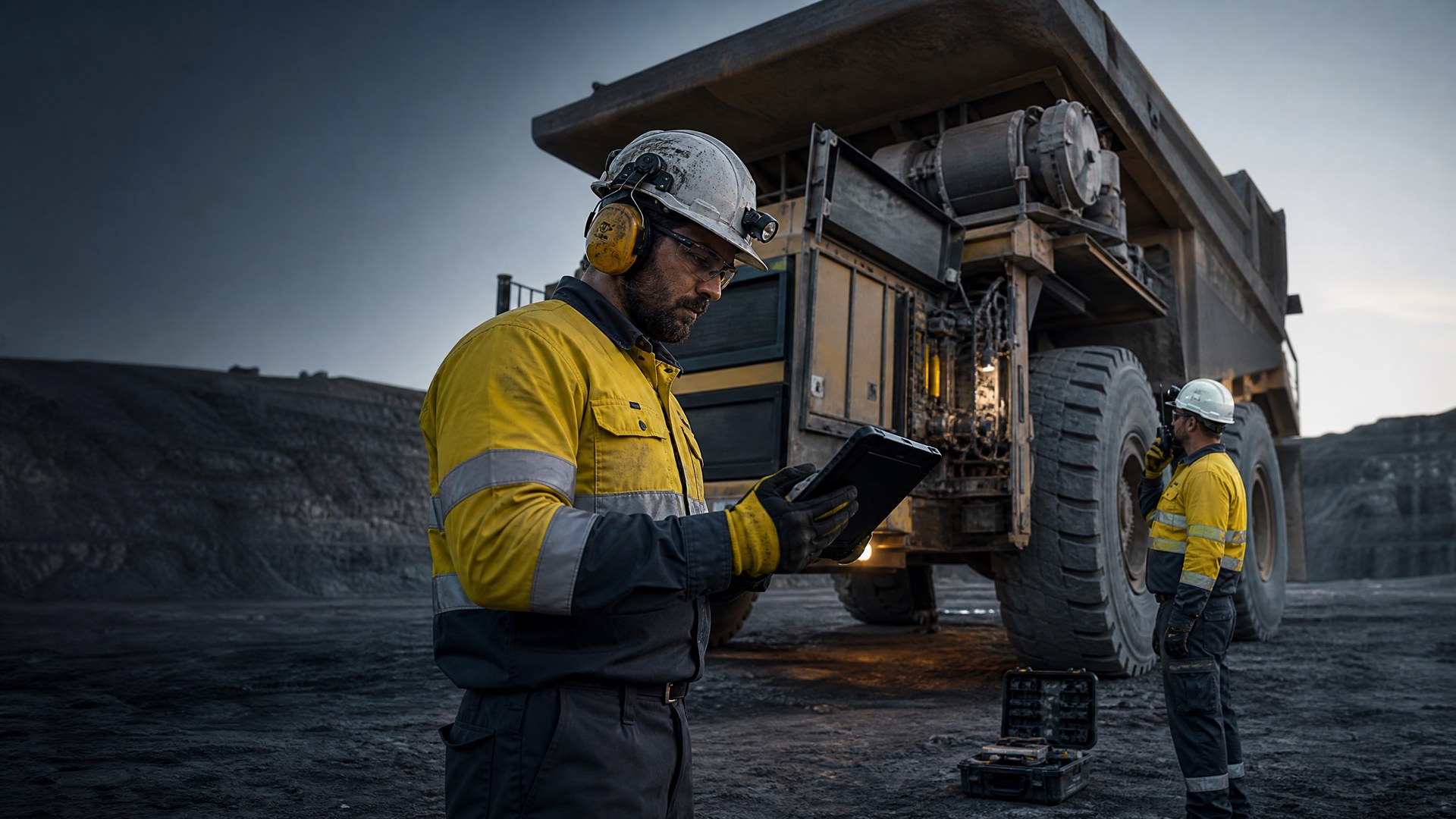
- Less downtime: MIT Sloan’s “relational coordination” work links collaboration to higher uptime. Torqn gives every shift that coordination, with mean time to repair dropping because proven fixes are one search away.
- Safer outcomes: HBR’s analysis of high-reliability teams showed information-sharing reduced safety incidents by up to 35%. Torqn’s shared knowledge base ensures the safety learnings from one pit become standard everywhere.
- Faster innovation: NASA/JPL documented a 30% faster idea-to-impact cycle once knowledge sharing platforms were adopted. Torqn applies that model to mining and construction so new methods, vendors, or component upgrades get tested and rolled out faster.
How to measure it
Once Torqn Enterprise is live, track:
- Mean Time to Repair – compare before/after Torqn activation.
- Repeat fault count – should fall as fixes are reused.
- Safety incident root causes – especially those tagged “information unavailable”.
- Onboarding hours per hire – shrink as new starters search Torqn instead of shadowing for months.
The evidence is already in: collaborative organisations do better. Torqn Enterprise is how mines, contractors, and OEMs turn that research into a live operational advantage.