
See how operators use heavy machinery collaboration to share safety fixes, spot patterns, and prepare for better starts when the cold season ends.
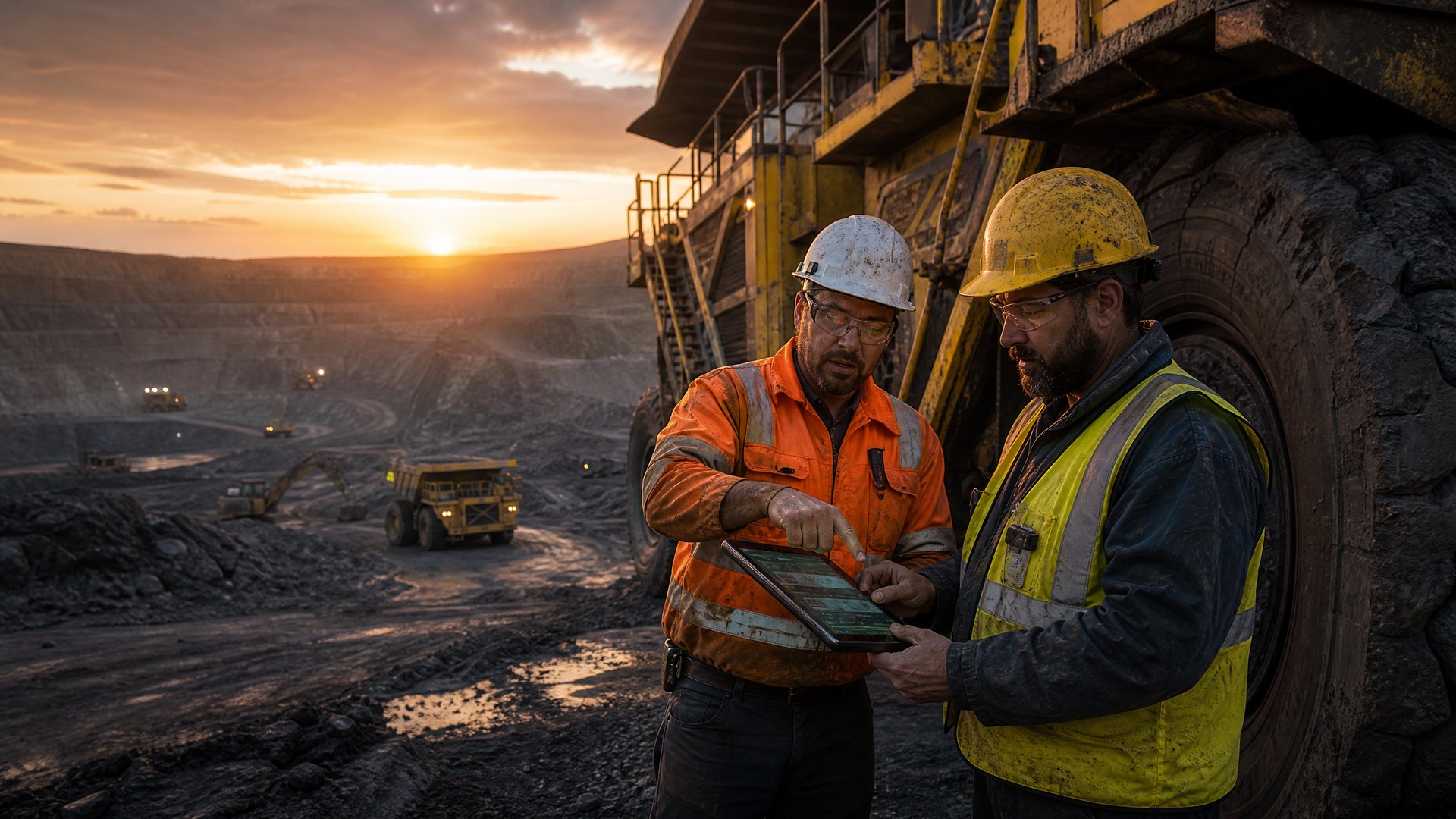
As winter closes out the calendar year, job sites start to quiet down and operators finally get a chance to reflect. The pace may slow, but discussions heat up in forums and crew meetings, centering on what kept everyone safe—or what went sideways. This time of year is all about learning, regrouping, and making sure the whole crew is sharper for next season. In these moments, heavy machinery collaboration stands out most.
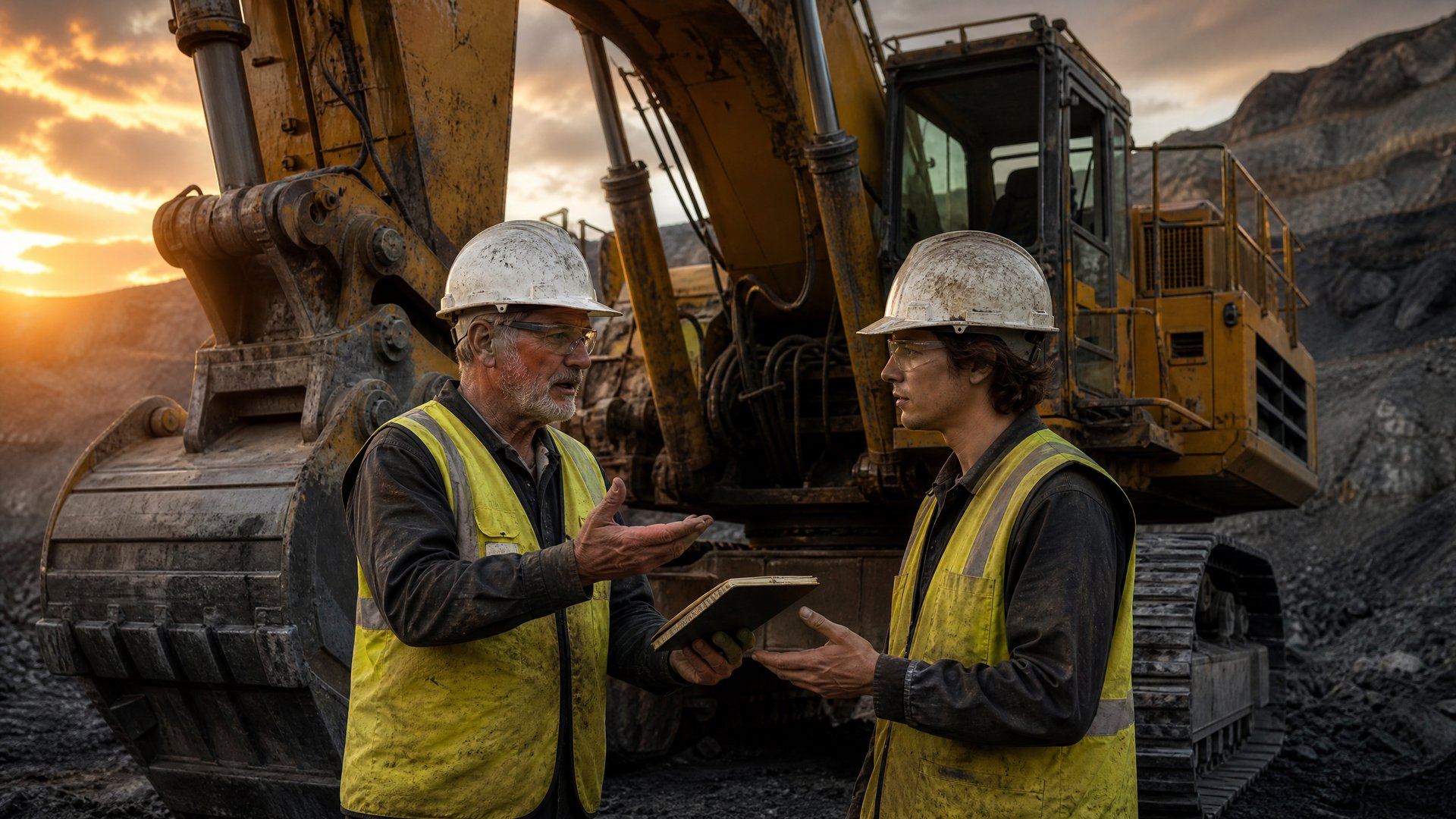
Operators use this window to swap year-end advice, break down near misses, and pull together maintenance lessons that often get skipped during busier times. Every story, checklist tip, or honest admission becomes part of a collective safety net. Here’s what the heavy equipment community is repeating as they wrap up the year—with plenty of reminders on how to carry those habits into spring.
The Off-Season Is Still a High-Risk Season
Winter does not cut job site risks—it simply shifts them. Slippery ground, frozen hoses, stiffened hydraulics, and unreliable batteries become common problems when the temperature drops. Brakes that worked fine in August may drag or stick after a cold snap. Shorter days and reduced visibility make small hazards harder to see, while downtime can lull people into skipping checks.
These are the issues crews describe most in operator forums. Someone posts about fuel gelling or hydraulic lag, and soon, replies come in with brand-specific fixes or workarounds for the conditions. Slippery trailers, snow-packed tracks, or a loader that is hard to start draw similar crowds of responses. The most dangerous mistake in winter is the slow collapse of routine—fewer pre-checks, fewer log entries, more skipped walkarounds. That’s why conversations stay open and habits stay active through the cold.
Patterns Operators Have Noticed and Shared
A single story might get lost, but patterns pop up quickly when dozens of operators check in regularly. Repeat warnings about Komatsu sensors freezing or older Cat machines tripping a specific code in cold weather are not just anecdotes—they are evidence for crews to act on.
Collaborative reporting matters. For example, one December post flagged a heater-related cabin code after long idle times, and within hours, five more operators confirmed the same thing across the country. Each brought a different twist, but the pattern was clear. Those confirmations let crews know when it is worth double-checking a system, even on a machine with no current problems.
What matters is that these discoveries do not vanish in disconnected conversations. With each season, these reports and their fixes get easier for other crews to find and use. Heavy machinery collaboration turns a run-of-the-mill fix into the warning that saves someone else from a shutdown.
Bringing Safety Conversations Into Daily Briefings
Not every safety tip starts with a top-down rule. Some of the best reminders start online and end up in crew briefings or maintenance logs. That’s the shift many job sites make over winter. An operator in one region shares a caution about icy ramps, a lead in another state adds a QR code to the crew board, and both see the improvement.
Safety tips become real when they turn into repeatable routines—a checklist point here, a red flag there. When colleagues start every shift by recalling last week’s forum advice, safety gets more ingrained. Sometimes it is noting tire pressure for the deep cold, sometimes reminding about condensation on sensor alarms, sometimes just passing around a photo of tire wear that everyone should double-check.
The effect is simple: shared stories shorten the distance between a lesson learned and a lesson used. Pre-shift talks and digital updates fold in those reminders and get heads focused before the machine even fires up.
The Role of Digital Platforms in Building a Year-Round Safety Culture
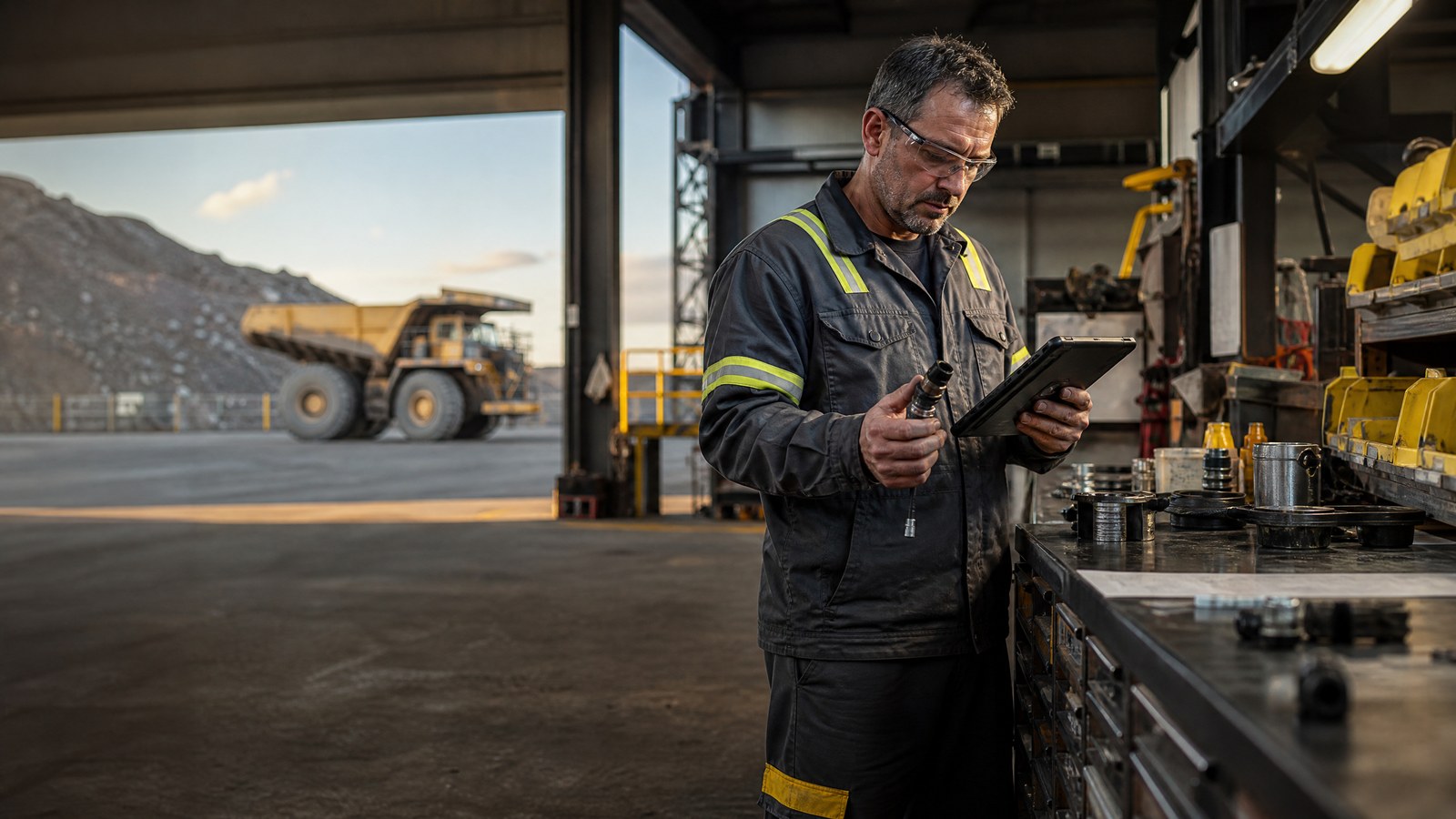
Digital knowledge platforms and well-run forums do more than store fixes. They shape habits. Searchable posts, tagged by machine, part, or weather, turn casual reminders into reference points that crews can find fast.
Heavy machinery collaboration thrives on these tools. Centralizing fixes, near misses, and best-practice lists means no one’s left out of the loop—especially after a stretch of downtime. A thread about faulty GPS sensors in cold weather, if tagged and shared, can become a fix for every crew, not just one.
Safety culture grows when everyone can scroll back and see what worked (and what didn’t). A strong digital record means that the reminder posted in December still helps someone next April. It’s not about replacing official guidelines—it is about keeping the knowledge alive and easy to use, even when the field slows down.
Clearer Paths, Safer Starts
Some of the best safety practices do not come from a rulebook—they come from repetition and reminders shared by crews who have been there. As the cold sets in, those stories and tips posted in forums turn into a working memory for the whole operation.
When teams return to work, they bring more than a checklist—they bring a mindset shaped by lessons that stuck from months before. Heavy machinery collaboration is about more than passing down the right fix. It is about building a platform where safety is everyone’s job, every season.
With each post or comment, a safer, smoother routine takes root. Every story filed away this winter becomes easier to find and more valuable when the next shift gets rolling. That is how strong collaboration builds a lasting safety rhythm—from downtime to the first day back in the field.
At Torqn, we know that shared insight leads to safer crews and stronger fieldwork, especially when the temperature drops and machines behave differently. That’s why we’ve built tools that support real-time conversations, searchable updates, and consistent input from all corners of an operation. Teams who stay proactive during seasonal slowdowns often rely on a steady mix of checklists, reminders, and heavy machinery collaboration to stay ready. Having one place where peer knowledge meets practical fixes can make all the difference when winter ends and things ramp back up. Let’s talk about how we can keep your crews better connected year-round.