
Cold weather slows machines, but a smart knowledge network helps crews prep faster, act sooner, and avoid repeat problems all season long. Read on!
Winter reveals where your heavy equipment is ready—and where it is not. Cold starts, slow hydraulics, cracked seals, and weak batteries can hit any machine that is not prepped. But getting ahead of these challenges takes more than just following the manual. That is where a knowledge network comes into play.
With a network of shared notes, logs, and advice, crews can get out in front of the season’s worst issues. Questions get answered fast, fixes are made before breakdowns, and lessons from last winter turn into this year’s advantage. When teams use platforms to gather and update this know-how, everyone starts moving in the same direction. Winter might be tough, but it is easier to manage when your team can pull playbooks from crews who have seen these problems before.
Why Winter Demands Smarter Maintenance Planning
Cold weather pushes every part of a machine. Sensors slow, hydraulics thicken, batteries drop off, and diesel fuel behaves differently than it did just weeks earlier. Suddenly a loader that ran all summer can’t handle an early morning, or an excavator refuses to wake up after a freeze.
Manuals help, but winter throws new problems into the mix. Pressed for time and with shifting schedules, many teams still find delays from issues like slow warm-ups, gummed-up fuel, or brittle hoses. The best plans come from more than experience—they come from a shared collection of what has actually worked, tested by real operators across similar machines and climates.
A single, well-timed answer can save a full shift. Instead of hunting through old files, crews start their day with proven moves for known pain points. This know-how doesn’t develop overnight. It comes from a network of people who documented what really happened when the temps dropped.
How Peer Collaboration Enhances Winter Prep
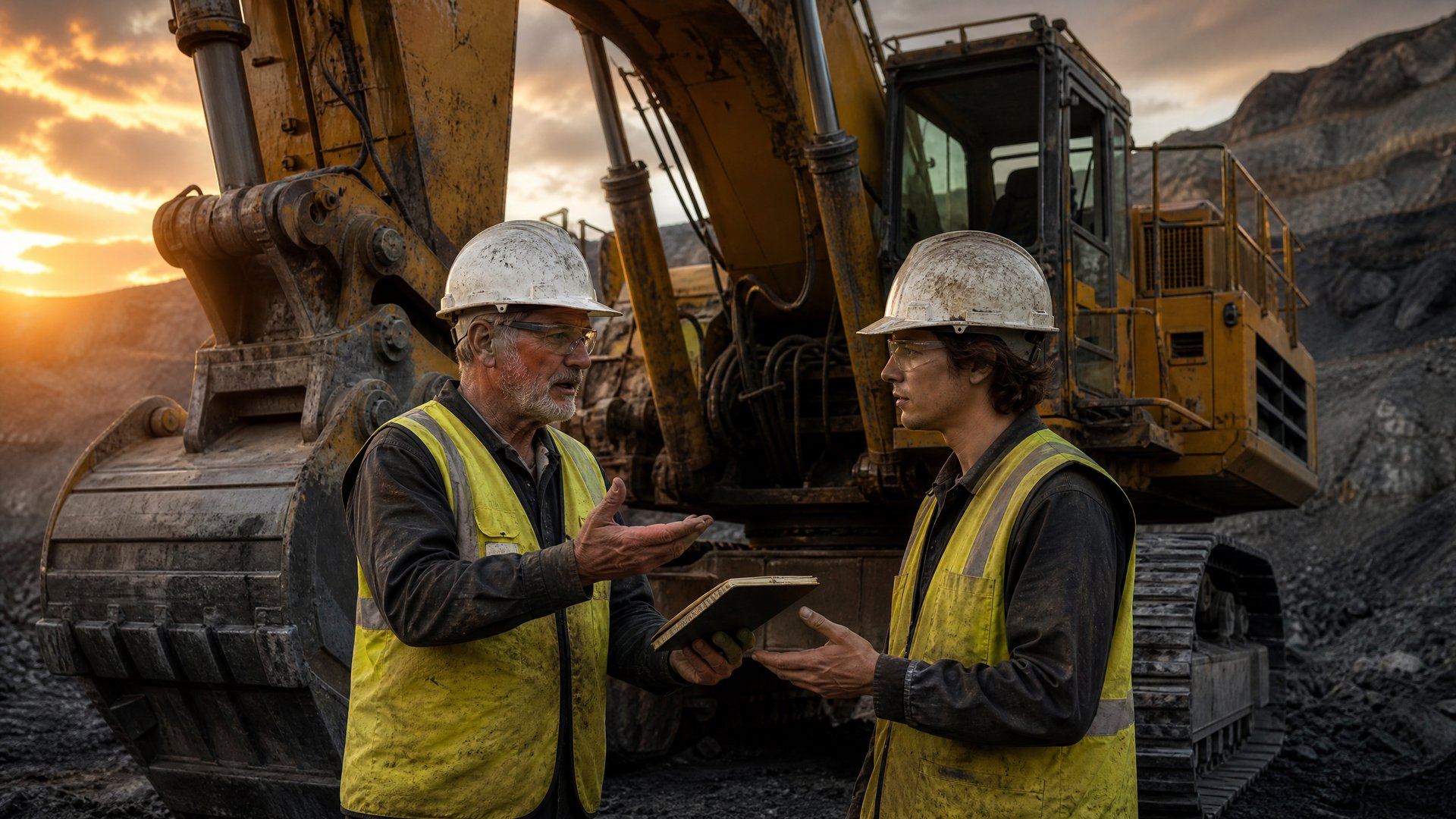
The conversation around winter prep gets sharper each year as more crews connect. A knowledge network turns small talk into action plans. One post about a fuel line fix during a cold snap in the Dakotas can turn into dozens of teams preventing problems in their own tanks.
Operators are not just sharing stories—they are giving step-by-step guides. Tricks for smoother cold starts, how to prep hoses against freeze-ups, sensor workarounds, and recommended checklists fill up forums and logs. Someone in Montana shares how they got their engine running on a -8 morning. A mechanic in Maine tags the right fluid type to use after trouble last January. Every shared detail builds a bigger web of practical, proven fixes.
Teams that log results and respond to others multiply their own success. When one machine model shows a repeat problem, fixes get shared quickly. Collaboration platforms keep the best solutions visible so nobody forgets when the busy season starts again.
Turning Team Habits into a Winter-Ready Knowledge Base
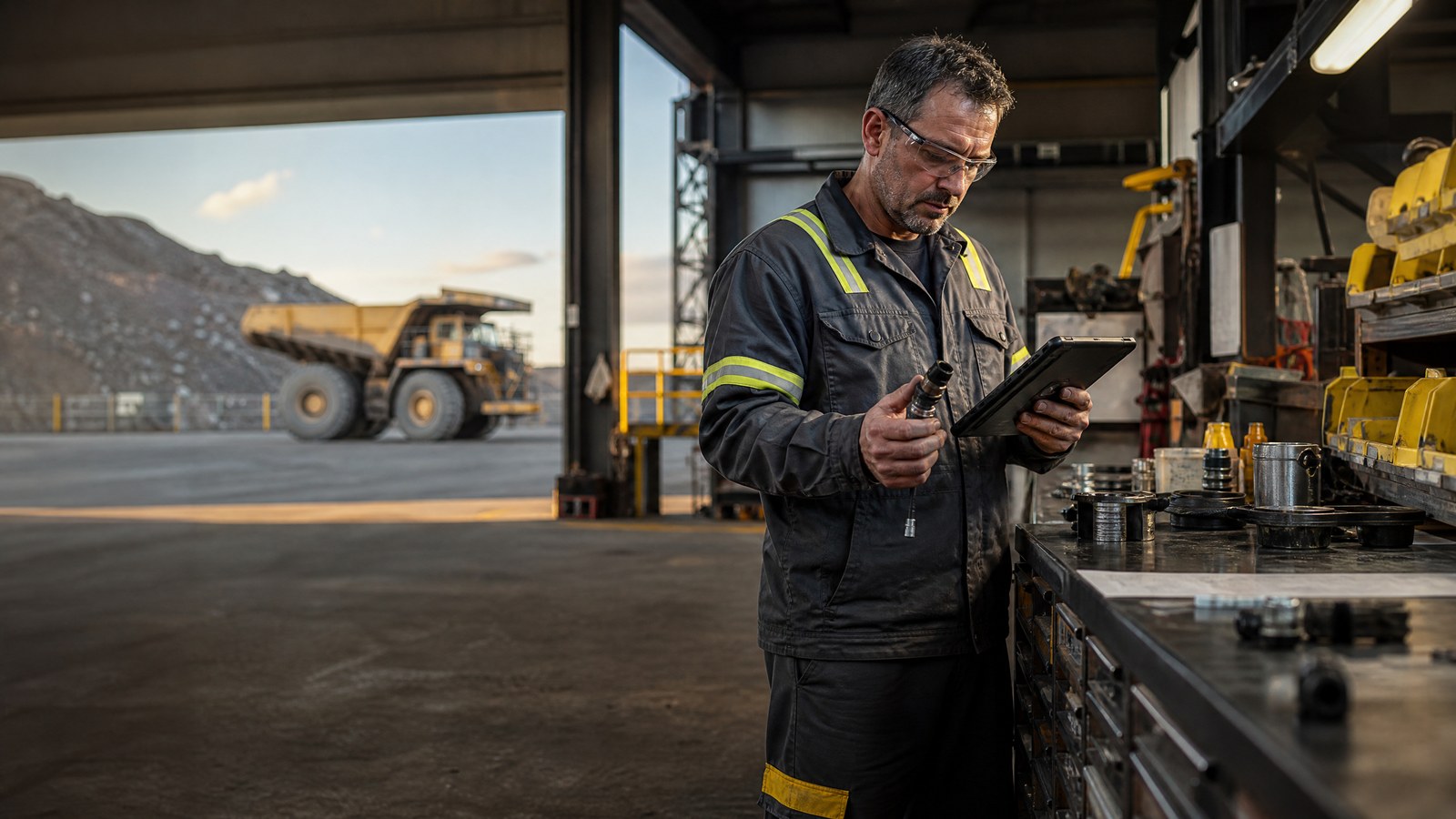
Shifts in the field change fast, but a habit of noting what works and what fails pays off. Digital checklists take center stage as teams record fixes, flag alerts, and track seasonal trends—week over week or year to year.
A checklist that came from noticing a specific brand of coolant thickening after a frost, or an updated inspection routine that caught stuck valves early, is worth more than any generic schedule. When these routines and adjustments get logged into a searchable knowledge base, everyone benefits on the next round.
Internal knowledge networks mean that valuable fixes do not disappear with the last person off shift. Routine posts, even simple field notes like “preheat for 15 minutes before attempting start below 10 degrees,” stop problems before they begin and help everyone skip wasted time on guesswork.
Getting Ready Earlier with Shared Tools and Alerts
The best winter prep does not start at the first snow. It starts weeks ahead, with forum posts and alerts from regions already facing the chill. When a northern crew flags issues with a new hydraulic fluid, users in warmer states take note and prep their own machines while there is still time.
Shops now use early-season tags as warning signs and modify their prep routines accordingly. If operators in Alberta report coolant changes in late October, Texas crews might schedule their swaps for November. A knowledge network lets teams learn from others’ first-hand experience and avoids waiting until problems arrive at their own site.
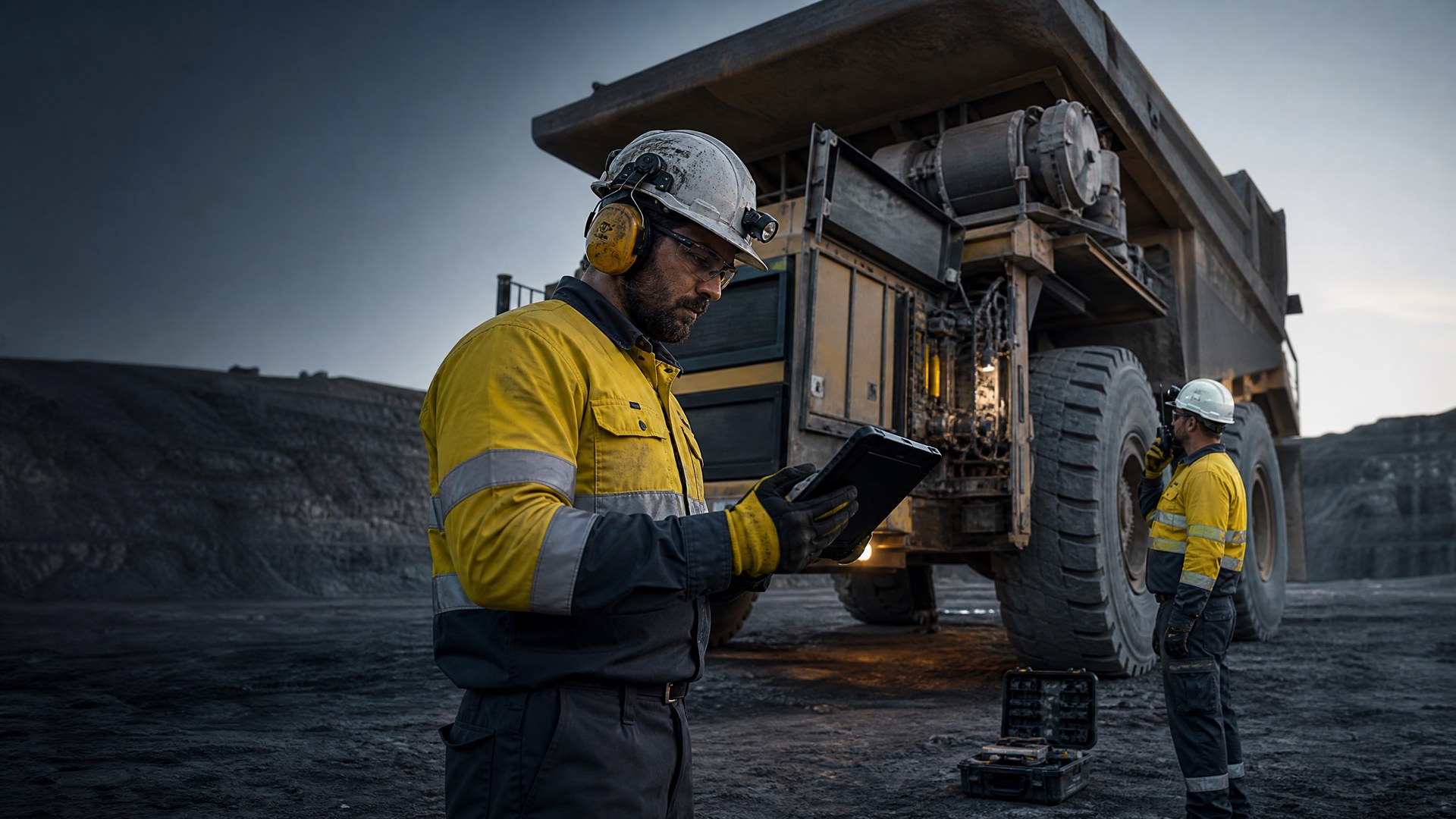
Operators even watch for sensor failures and fluid swaps in real time, speeding up the organization’s response before issues snowball. With shared alerts and early forum posts, what once felt like a surprise becomes just another item on the to-do list.
Ready for More Than One Winter
Building a network of cold-weather know-how is a long-game move. It does not just solve the first storm—it improves with each season. Every documented fix, tagged alert, and checklist adjustment stacks up to create a smarter, more resilient team.
Instead of scrambling each winter, crews take the best habits from last year, update them with new insights, and move forward with less guessing and less downtime. Sharing knowledge across machines, sites, and regions is what sets teams apart when the weather gets tough.
When fixes, forecasts, and routines live in a collective memory, winter’s toughest surprises turn into manageable challenges. That is the real benefit—a warmer, safer, and more productive season, built on the network operators make together.
Building consistent winter-readiness comes from learning what works and sharing it forward. At Torqn, we believe the fastest way to improve equipment uptime is by using a shared space where ideas aren’t just stored, they’re applied. That’s the value of a strong knowledge network—a place where crew insights, machine quirks, and cold-weather fixes stay easy to find and even easier to use. When teams stay connected this way, every season gets a bit more predictable. Let’s talk about making that kind of practical collaboration part of how your crew works.