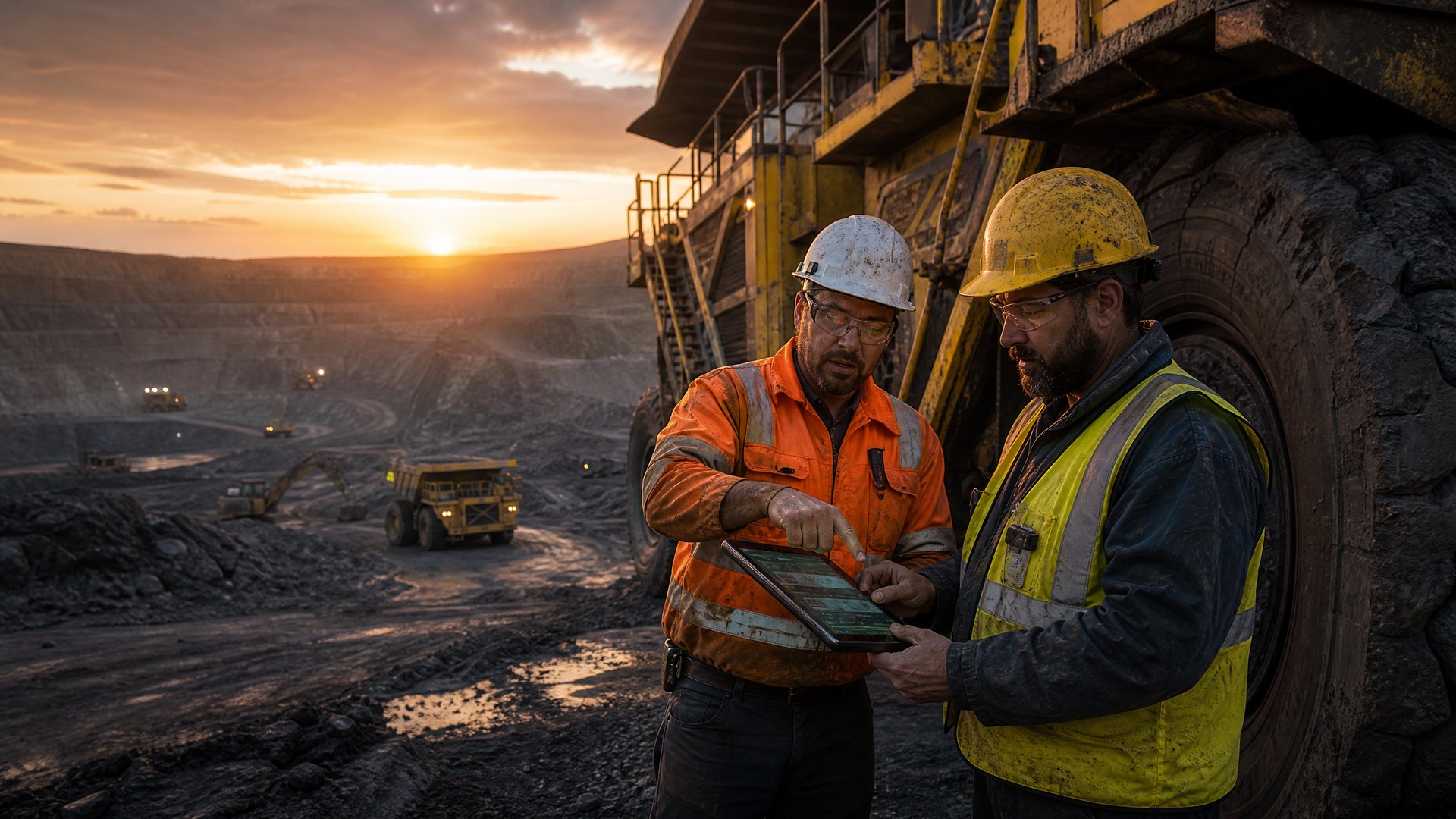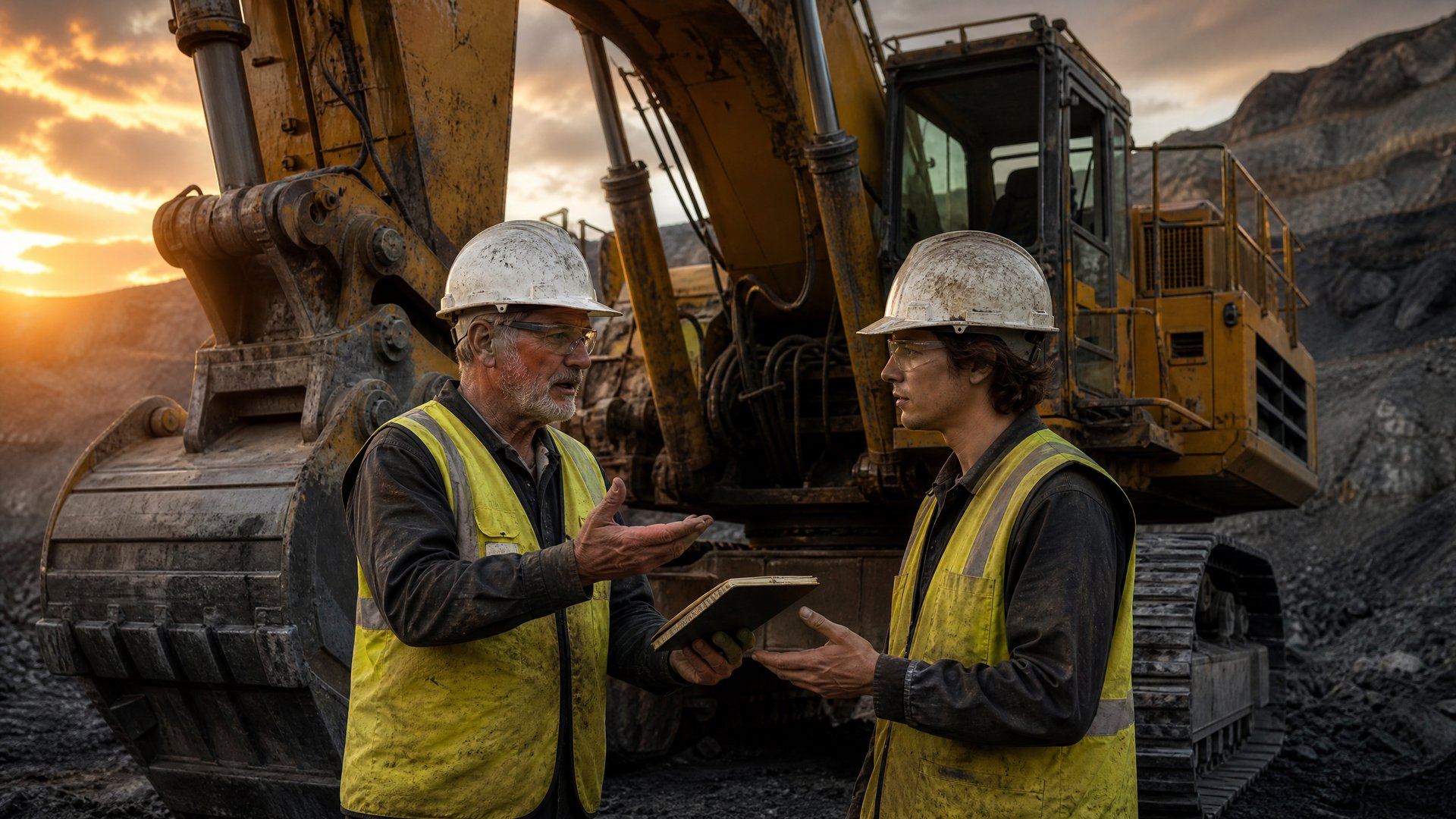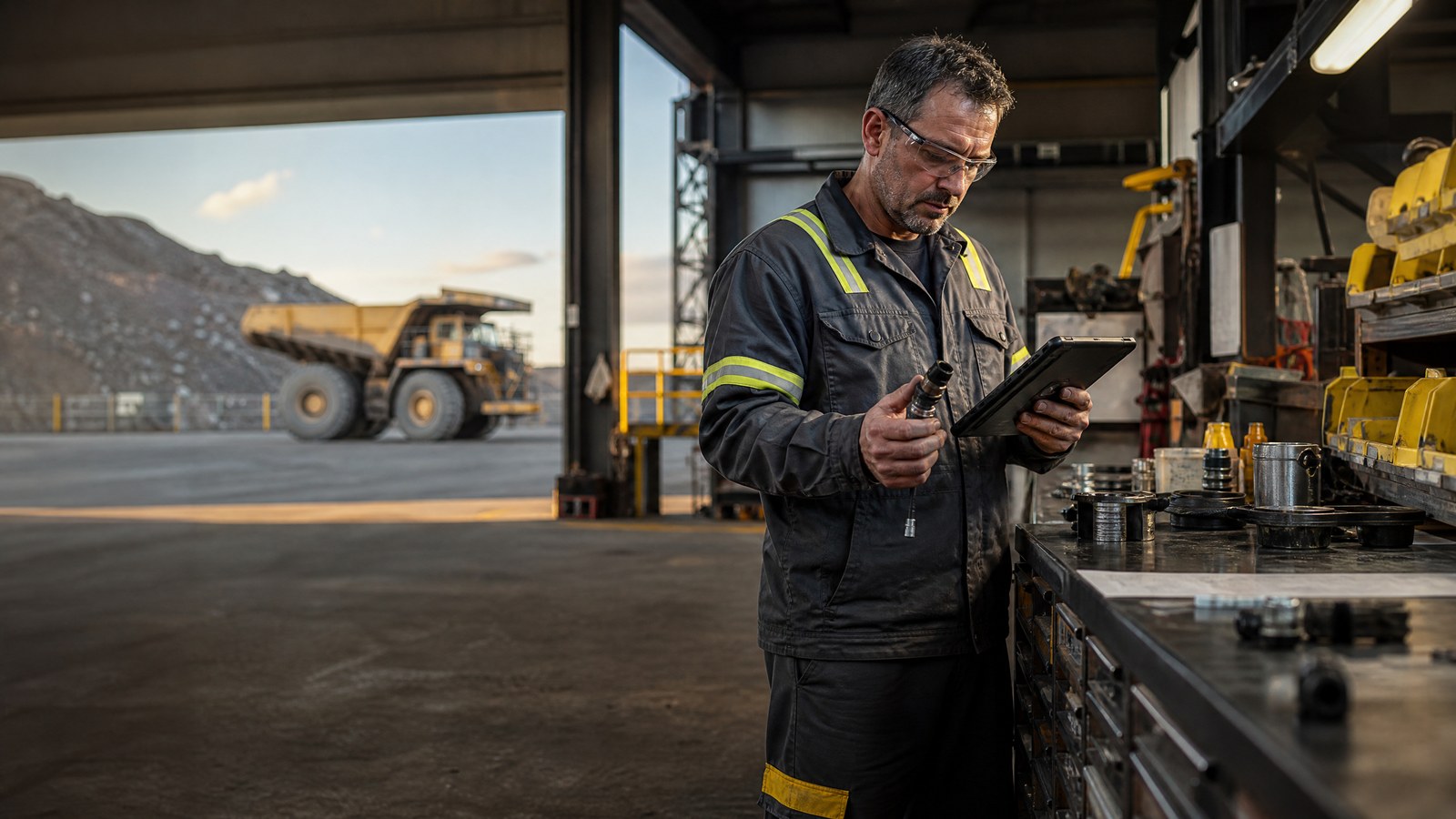

Real-time advice and shared fixes keep the construction community moving with forums built around gear, crews, and onsite collaboration.
The construction community has always been built on shared knowledge. Crews pass down experience from one shift to the next, often through quick conversations, hand-scribbled notes, or tailgate talks. But with projects moving faster, machines getting more complex, and seasonal changes creating new variables, more crews are turning to forums to keep that knowledge flowing. As winter sets in across many regions, problems like cold starts, frozen lines, and slow hydraulics become common topics online. Discussions around these topics help operators and mechanics stay ready, so when something goes sideways, they are not starting from scratch.
Forums are not about repeating the manual—they are where real stories, quick solutions, and hard-earned lessons get saved in a way others can use. What used to stay on a clipboard is now part of a searchable thread that might help a crew working hundreds of miles away. It is faster, broader, and more consistent—and for the construction community, that means more uptime, fewer mistakes, and smarter transitions between jobs and crews.
Lessons That Don’t Age Out: Forums as the Modern Field Manual
Some advice does not lose its value. A trick for jumpstarting a dozer that is stubborn in freezing temps or a sensor tip for a model that always acts up after vibration—these lessons show up season after season in forum discussions. Those posts stick around, saving hours when crews run into the same problem the following year.
Forums collect lessons from countless job sites across different regions and seasons. A single solution might help crews facing snow in the north or wet conditions in the south. Years ago, these tips were scribbled on time sheets or shared over a coffee break. Now they are easy to find, still written by working hands, but digital and ready to be searched by anyone.
Digital threads offer a living record of what works, what does not, and what to watch out for. That keeps learning active and saves time—the answer is often just a search away.
The Role of Heavy Equipment Brands in Forum Culture
Talk to field teams and you will hear the same machine names—Caterpillar, Komatsu, Deere. These brands anchor most online conversation because their machines drive most job sites. Forums often group discussions by brand so operators get model-specific fixes and advice on parts, substitutions, and maintenance shortcuts.
Crews use brand threads to compare real-world workarounds. Someone will share a creative solution that helped squeeze more life out of a part, solve a stubborn knock, or swap a hard-to-find piece for a more common one. These posts matter because they come from hard-earned job experience, not just what the manual says.
This culture thrives on fast answers. No one posts to show off—they post so the next operator can stop wasting time on the same issue.
Collaboration Platforms vs. Message Boards: What Works Best On-Site
Message boards and forums have built trust over years. Crews rely on them for honest answers and real fixes. But today, they are joined by structured collaboration tools.
Collaboration platforms sort log entries by date, job, or equipment. That means you can find a thread of fixes linked to a specific problem—no more scrolling through unrelated stories. The best job sites use both, mixing broad discussion with detail-focused logs for fast troubleshooting.
Hybrid setups work best. Forums hold the long-term stories, while tagged logs catch the quick updates. This keeps information handy so that a problem spotted today does not turn into a repeat failure tomorrow.
Platforms like Torqn let crews tag incidents with machine model, date, or location, making field solutions easier to find when time matters most.
Why the Construction Community Still Shows Up
Forums remain popular for one simple reason: trust. Crews believe in the answers shared by peers who use the same tools and face the same site pressures. Advice is real—no fluff, just steps that work.
For the construction community, shared stories are worth more than polished guides or directives from above. Posts are often simple—like “tighten the clamp before a cold snap”—but in tough conditions, small things like that keep jobs running.
One post leads to another, creating a reliable trail of fixes and insight. New crews, or even the next shift, can retrace those steps and prevent problems others have already solved.
Building Smarter Crews Through Shared Experience
Every time someone posts in a forum, they are saving someone else time down the line. That is the foundation of smarter, faster work sites. These contributions grow into a practical, always-evolving guide, built not by managers in offices but by operators and techs in the field.
Forums do not replace training, but they fill the gaps manuals leave behind. They make knowledge easier to pass around, whether during early-morning prep or late-night trouble.
Crews get stronger with every post and each lesson passed down. The construction community thrives on this constant upgrade of skills. When faced with a sudden cold snap or an unfamiliar code, often it is a forum—not a handbook—that keeps work moving and crews safe.
At Torqn, we believe the best jobsite knowledge lives where the crews do—right in the conversations they have every day. That’s why we focus on tools that help workers stay connected, post real fixes, and help each other avoid getting stuck. When that kind of shared wisdom is easy to find, the work gets smoother, safer, and more efficient. If your team wants to be part of a stronger construction community, we’re ready to help. Reach out to us to get started.