%20(1).jpg)

Keep machines running and crews in sync using collaboration tools for heavy machinery that capture real fixes, updates, and lessons that last.
Working with heavy machines is more than just operating the controls. It is about solving sudden breakdowns, staying coordinated across shifts, and keeping jobs moving—even when the weather or teams change. Communication often falls apart when crews rotate or field fixes walk off with the last operator.
More crews, techs, and leads are turning to digital solutions, leaning on forums, messaging apps, and work-ready platforms to capture what matters. These are the collaboration tools for heavy machinery that help turn field know-how into team wins. Posts and updates travel farther, more lessons stick, and preventable downtime shrinks. That is what keeps machines working—and people safer—day after day.
Why Traditional Communication Tools Fall Short in Equipment Work
Field work always needed quick talks and simple notes—radios, group texts, paper logs. But these old school methods run short when it is time to track recurring issues or pass a lesson down the line.
Paper logs get lost or forgotten. Radios solve problems in the moment, but nothing gets saved for the next crew. Group chats blur updates with off-topic talk, making it tough to find a specific fix days or weeks later.
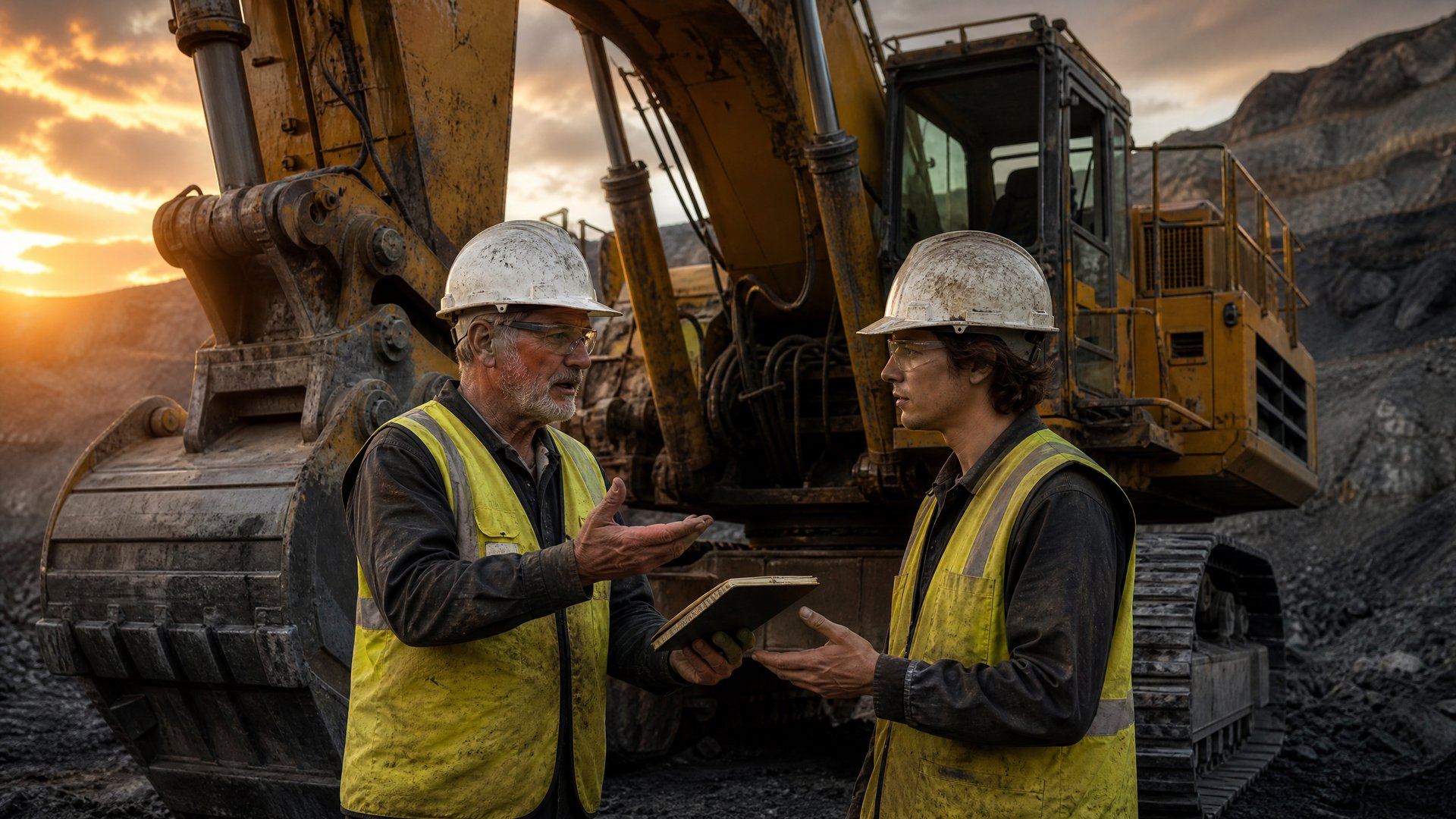
Worst of all, hard-won fixes tend to leave with the veteran who discovered them. When veteran operators move on, their knowledge walks too, making new crews learn lessons the hard way. That is wasted time and frustration across every job site.
What Makes a Collaboration Tool Useful to Heavy Machinery Crews
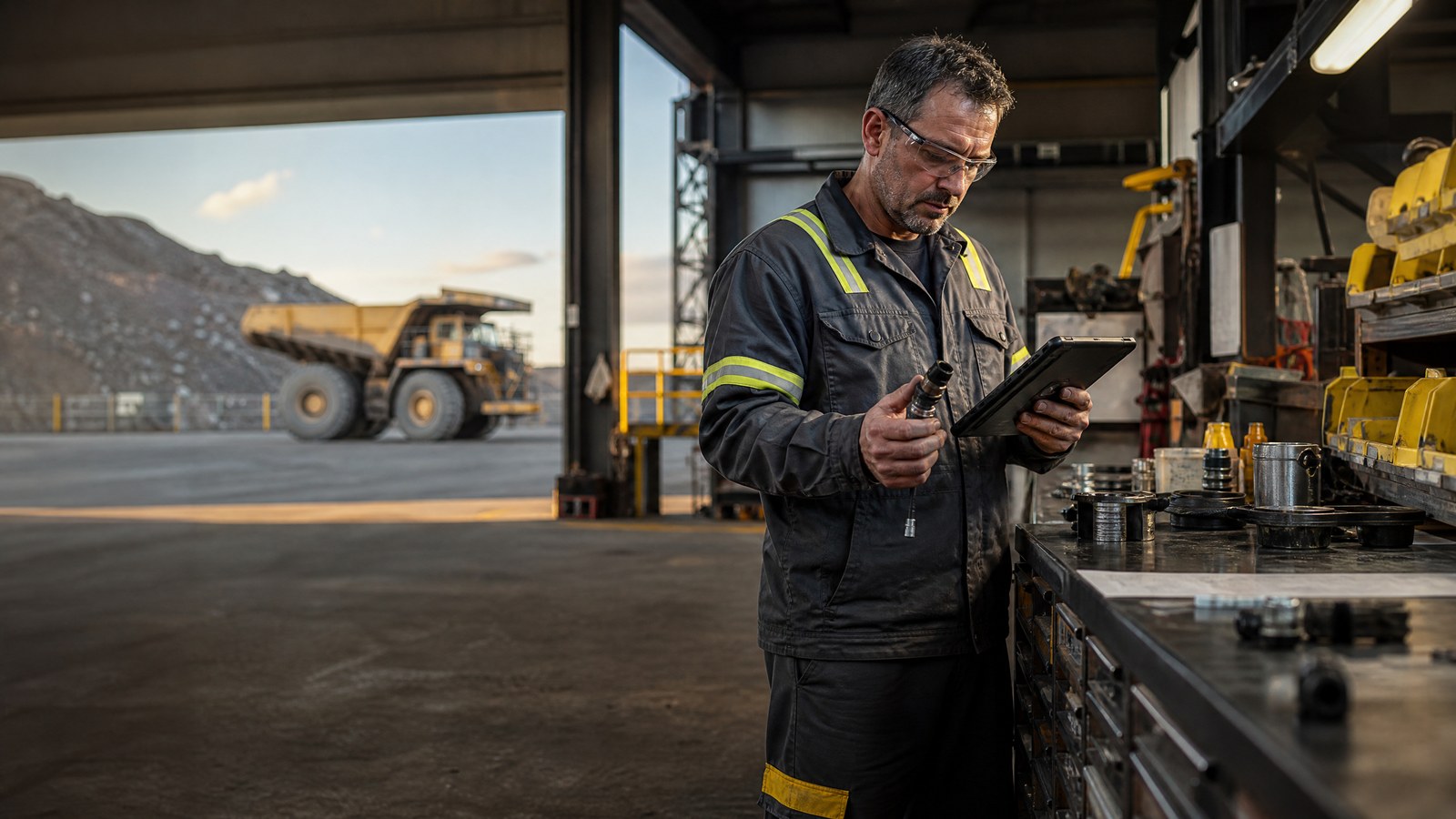
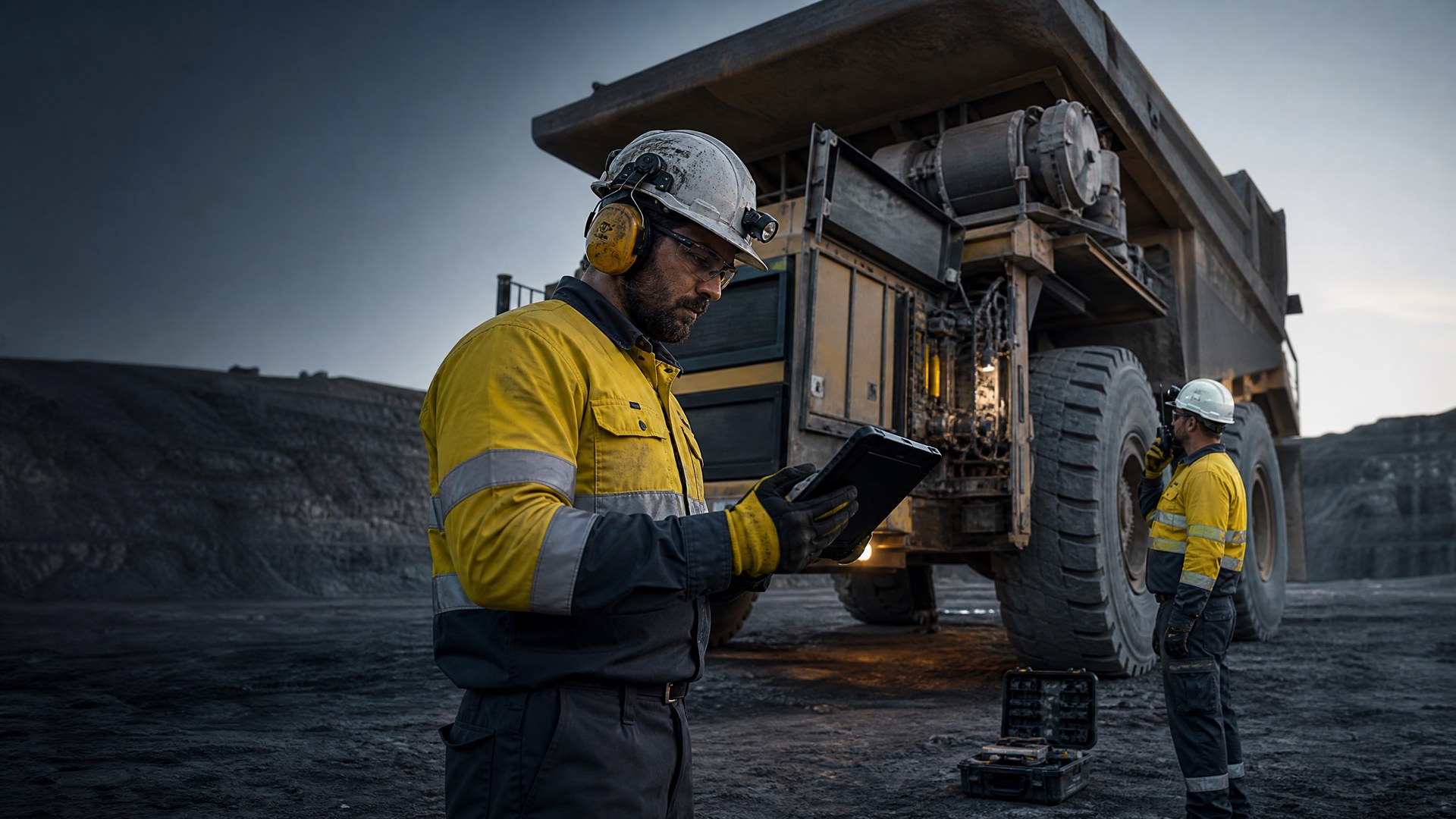
A winning collaboration tool does not need bells and whistles. It just has to deliver what crews need out in the field. That means posting updates from anywhere—cabs, pits, or shop bays—not just from a desk. A good system lets you snap a photo, dictate a quick voice memo, or type a short fix before jumping to the next task.
What matters most is making that information easy to find again. If a fix or note can be searched by machine, brand, location, or type of problem, operators find help when and where they need it. Tags like Caterpillar, Komatsu, cold start, or hydraulic delay make the crew’s knowledge work for future shifts too.
Simple use is key. Nobody wants to deal with a confusing interface on a muddy job. Quick, natural posting and clear search go farther than high-tech menus or fancy features that never get used.
Torqn offers branding and tailored knowledge platforms that keep operator posts organized by machine, date, and task. That way, every crew benefit from past solutions instead of starting cold each shift.
Forum Culture on the Jobsite: The Power of Shared Lessons
Every busy jobsite these days has one strong forum or message board, where firsthand fixes get preserved and passed around. Whether posts are signed or anonymous, this is where most of a project's “unofficial manual” gets written.
Operators listen to those who have worked the machines in real-world weather, not just the paper experts. Manuals tell you about specs, but forums talk back about quirks, fails, and recoveries—things that do not always follow the book.
These spaces turn posts into a running log. Whether the problem is a sticky regen, a loose connector, or a cable frozen solid overnight, those stories help other crews get ahead of the problem. The running list of wins (and misses) builds crew memory across whole seasons.
Picking the Right Platform for Your Team
Teams come in all sizes, and no one solution works for everybody. Small teams may do best trading updates in a focused group thread or lightweight bulletin. Teams changing job sites or running large fleets have better luck with structured platforms, where notes get sorted by tag or logged by brand and site.
Some operations want a branded and private place to organize field fixes, especially where job-sensitive issues cannot go public. Others might blend a wide-open forum for common issues with a more secure tracker for site specifics.
The best setups let crews combine open idea sharing with a managed log of past fixes, repairs, or daily wear. That is how both day-to-day sync and long-term memory thrive together. The real value is giving every hand in the field a spot to flag a problem and find a fix without sifting through paper, email, or text chains.
Results You Can See in the Field
No crew can dodge all surprises. But knowing what to do when a backhoe always sticks on cold mornings—or a grader throws a code after heavy rain—should not be a mystery every fall. The difference comes down to whether the right fix is easy to share, store, and find.
When collaboration tools for heavy machinery put working answers within everyone’s reach, the whole jobsite runs with less stress and more consistency. What once depended on word-of-mouth now gets tracked, tagged, and made part of how every shift gets smarter over time.
That is the real win: collective memory, fast support, and more uptime season after season.
At Torqn, we know how important it is for operators and field crews to keep useful knowledge in reach—not buried in a text thread or lost when shifts change. When teams share updates, tag known fixes, and revisit past breakdowns using the right tools, they waste less time redoing what’s already been solved. Our platform makes real collaboration easier by keeping field experience searchable and ready when it’s needed. To see how your team could work smarter with collaboration tools for heavy machinery, contact us.