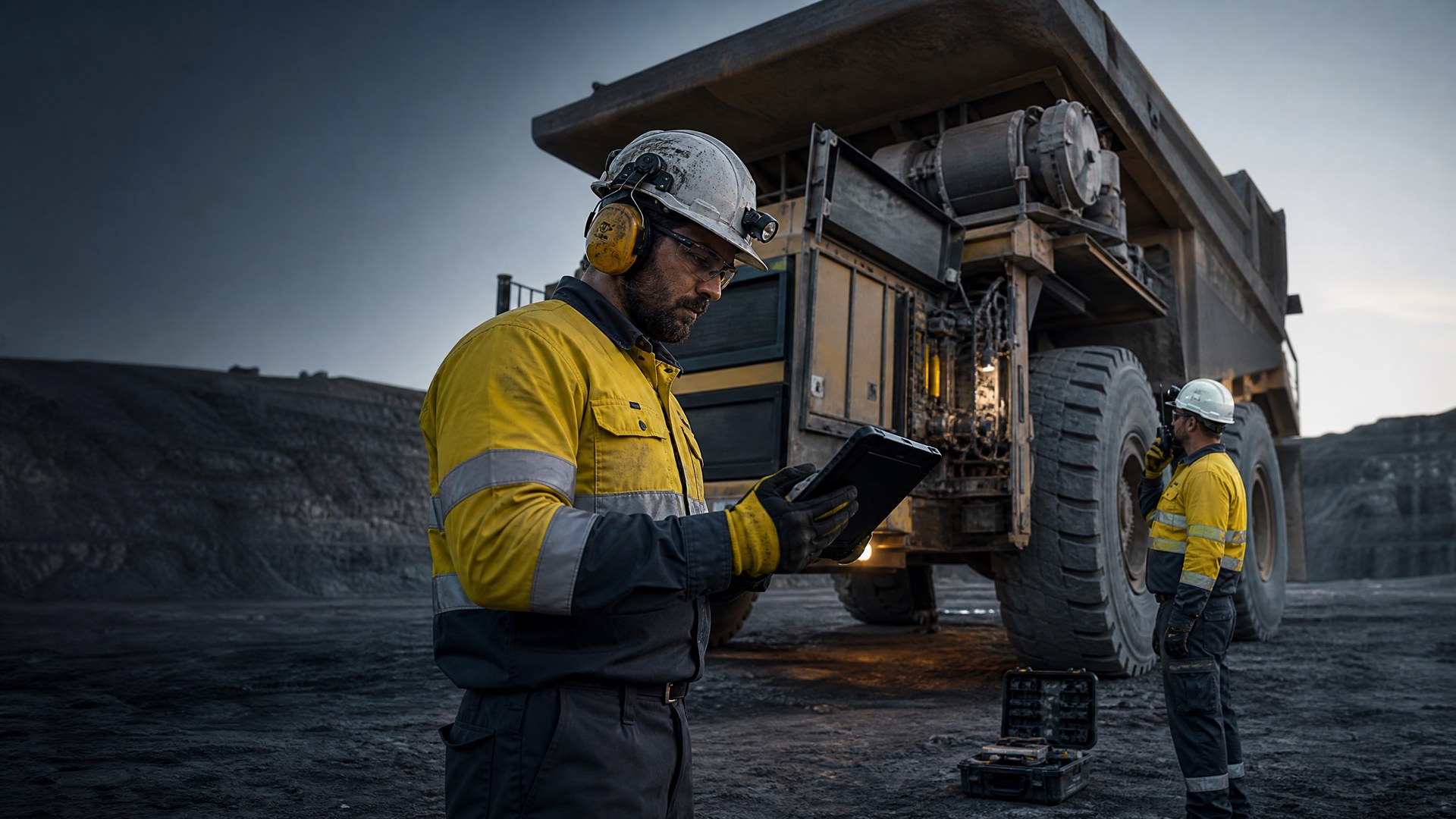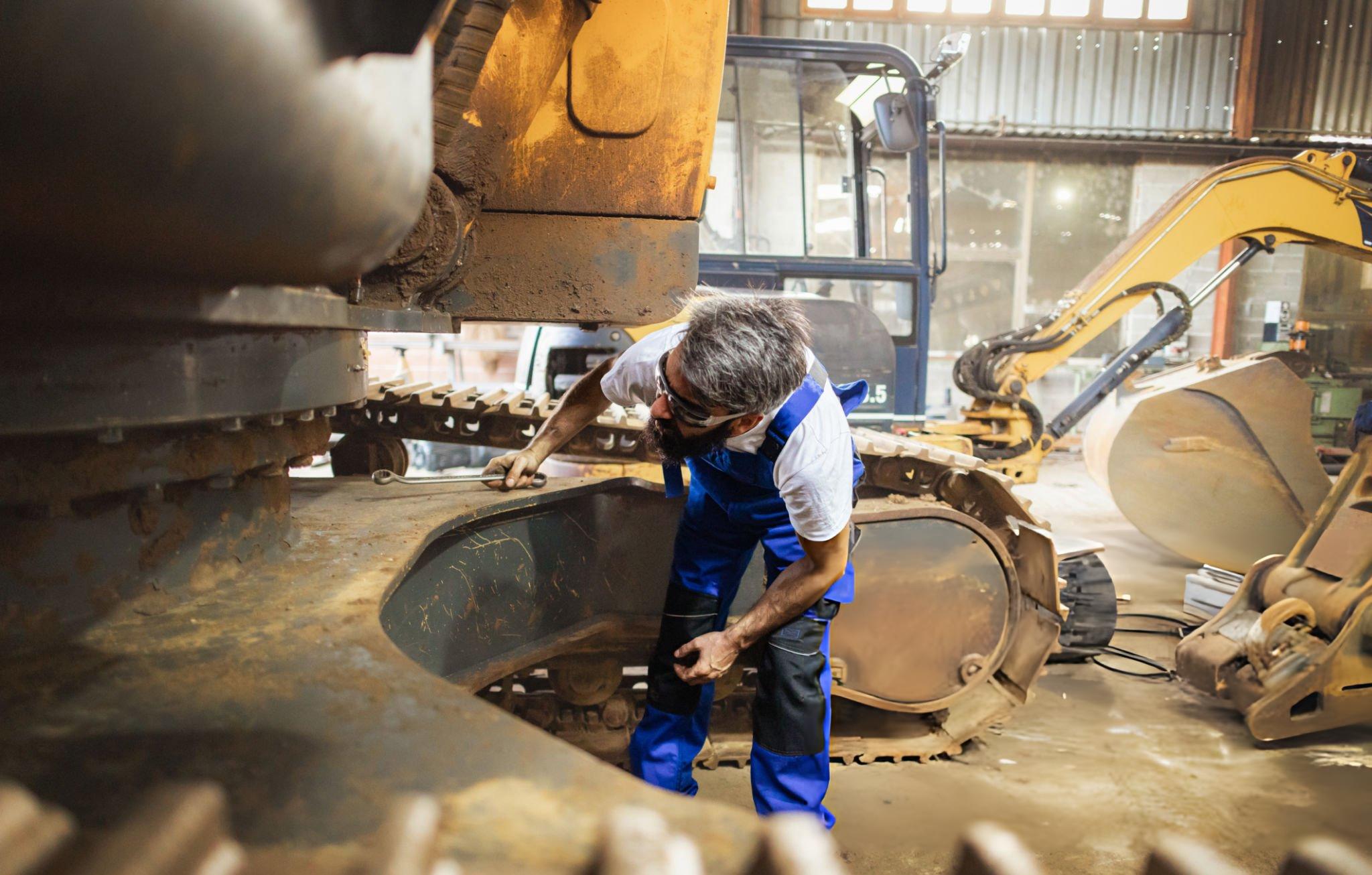

Get ahead of freeze-ups with heavy equipment maintenance tips that crews can share and track to prevent downtime and keep machines moving.
When the weather turns cold, machines feel it first. Engines run rougher, batteries lose strength, and every fluid starts reacting differently. Cold weather slams heavy equipment with extra stress, and small problems can get big quickly if you do not plan ahead. The right habits keep breakdowns from piling up and help jobs run on schedule. These heavy equipment maintenance tips come from years of field fixes and shared logs by real crews. The goal is to cut out preventable delays and keep work rolling straight through winter.
Check Fluids Before the Cold Hits
Before the first freeze, make sure you check the basics. Use oil, coolant, and hydraulic fluid meant for winter. If you are running summer blends, they will thicken up and slow your equipment down. Loader hydraulics that drift or truck steering that feels slow are signs something is not holding up in the cold.
Water separators and filters can block up with ice if they are not changed or drained. Check these early and often. Store DEF fluid where it cannot freeze and turn to gel—frozen DEF will drag down your whole job. Crews with experience move these checks up a week or two as soon as temperatures start dropping. Quick logs of issues picked up by anyone help others tackle the same fix next time.
On the Torqn platform, operators can tag and log fluid issues for each machine, so checks and fixes do not fall through the cracks.
Inspect Batteries and Electrical Systems
Batteries go weak as soon as nights get colder. A slow crank or blinking dash lights might be the first sign. Look for corrosion on terminals—any green or white crust means less power during those tough morning starts.
Wiring matters, too. Cold snaps crack old insulation and expose clips, letting moisture in and causing trouble for sensors and fuses. Any operator spotting a slow battery, lagging signals, or extra-fussy electric issues should log it. When the next person sees the same behavior, they can skip right to cleaning or swapping that part, saving everyone time and stress.
Focus on Cold Starts and Warm-Ups
Not every machine wants to start at zero degrees. Maybe it takes more tries or runs rough until things heat up. If the crew before had a trick—say, keeping a block heater plugged in or a specific warm-up method—it should be easy to find and follow. Those notes save mornings and wear on gear.
Most equipment needs a few minutes before hydraulics, brakes, or steering are ready to push hard. Take that time. It saves seals, avoids cracked hoses, and lets the machine last longer between repairs. Track which units need more warm-up time or show a warning during cold starts. Quick logs and reminders keep the next crew from running into surprise issues.
Tire, Track, and Undercarriage Tips
Air pressure drops with the temperature, and so does tire performance. If crews are not checking pressure before a shift, they run the risk of poor traction and faster wear. It creeps up until someone gets stuck or struggles to haul a load.
Frozen debris in tracks or undercarriages will lock things up without warning. If someone figures out the best way to clean ice or snow between jobs, or notices a certain track binding tighter in the cold, they should log and share it. Day-to-day hacks about scraping ice or checking tension help the whole team face winter with fewer issues.
Shift Handoffs and Shared Logs That Save Time
No shift can spot everything, especially when the temperature is up and down. That is what shared notes are for. If a loader is slow to start but smooth by lunch, crews need a way to flag that before it turns into a real breakdown later.
Digital logs keep field updates organized. If an operator marks a cold-related warning, future teams can search by tag and find the fix fast. All those small notes build into a pattern. When five machines have the same issue, the team can spot it before it shuts the operation down.
With Torqn, crews can post cold-weather hiccups, warm-up times, and sensor alerts by machine, making fixes easy to spot and avoiding missed warnings in a busy season.
Staying Productive When Weather Slows You Down
Winter slows everything. Machines run slower, days feel shorter, and people work with extra care. That is part of the job. The difference between a good day and a wasted one is how well the crew shares what works.
When tips and tricks live in forums, logs, or team chats, they become the shortcut through problems. You should not have to relearn the same lesson every week. Any time someone finds a fix—whether it is how to jump a cold starter or which hoses get stiff first—it should be logged and shared. Over time, all those small notes cut down surprises and keep the job rolling, no matter what the weather brings.
At Torqn, we’ve seen how shared fixes, routine cold-weather checks, and open crew communication can keep equipment running strong when the temperature drops. Using forums and notes to track performance and plan around cold-start quirks helps crews avoid downtime and keep jobs on schedule. When you start collecting and sharing your own heavy equipment maintenance tips, you're building a culture that works smarter season after season. That kind of collaboration adds up fast. We’re here if you want to talk.