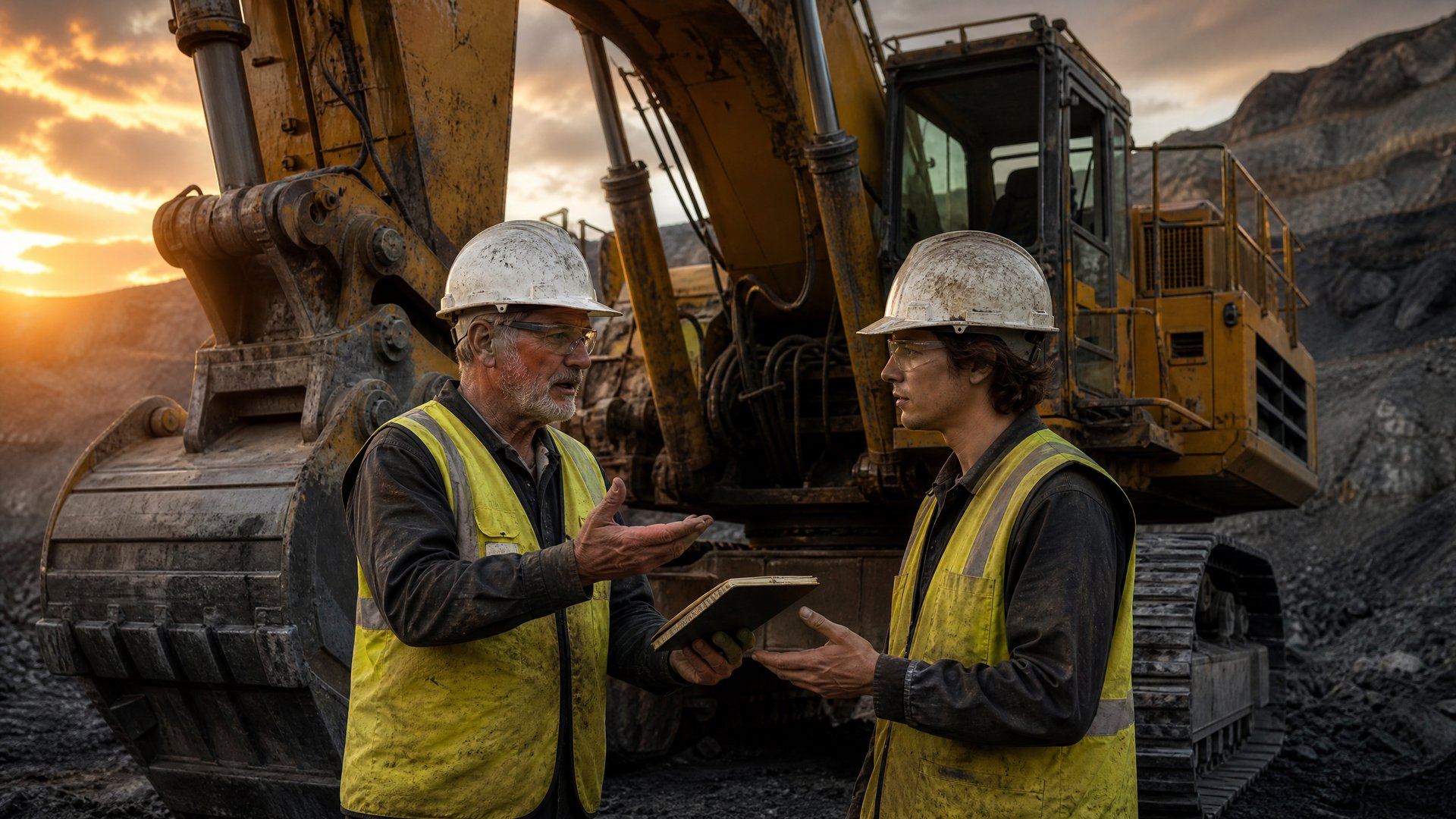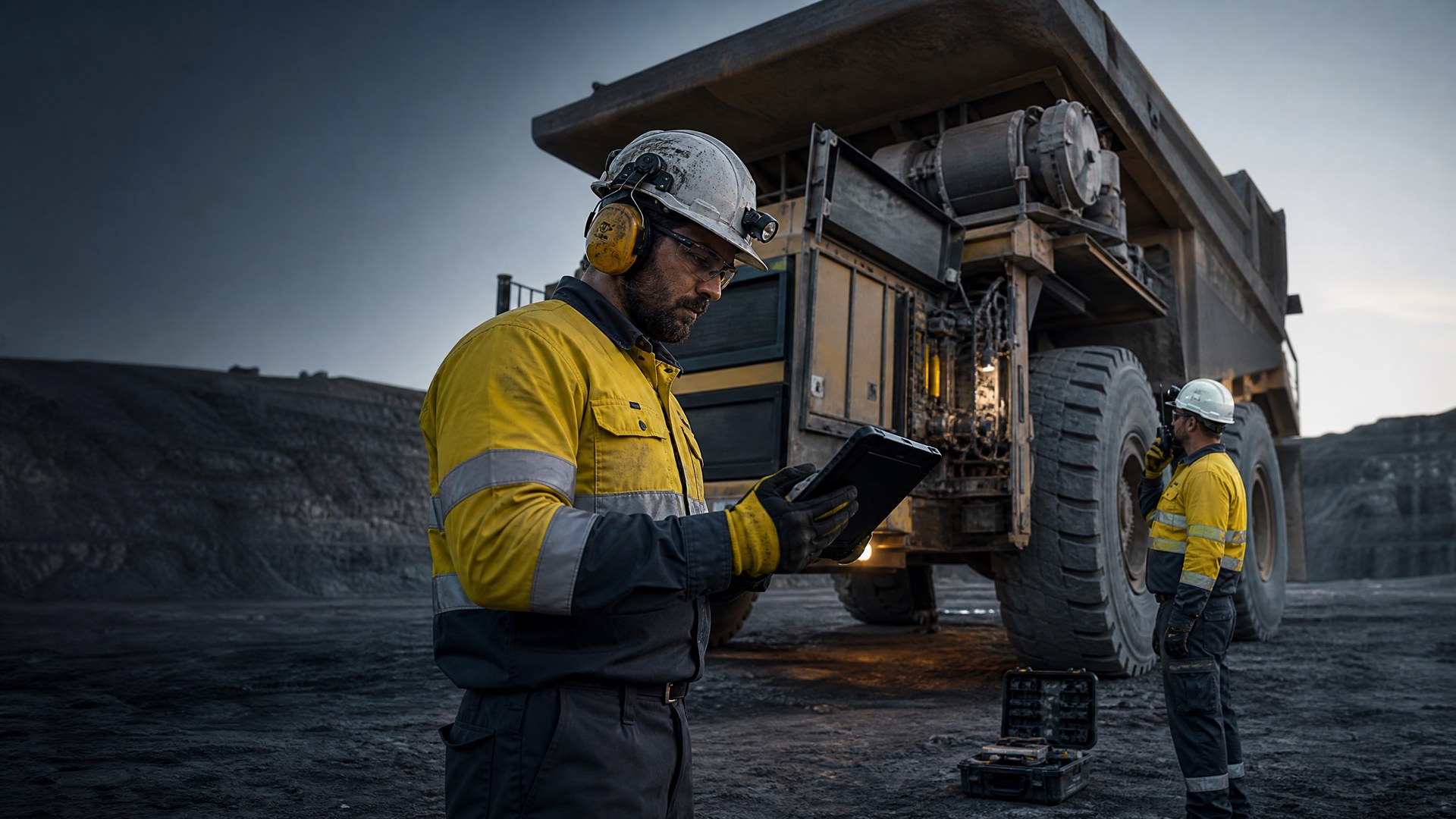

Crews are making Komatsu manuals part of their digital workflows to boost teamwork, solve problems faster, and keep knowledge flowing across shifts.
Any seasoned operator has spent a few minutes flipping through Komatsu manuals. That usually happens when a warning pops up or when a machine just does not feel right. We have all been there—trying to remember a certain button sequence or whether a fluid level is really in range. Manuals are not just backups for skipped steps. They are part of the shared toolkit that helps crews manage changeovers and adapt to new jobs.
Right now, as the season shifts, crews across construction and mining are watching their machines work harder. Fall brings heavier loads and changes to ground conditions that push equipment in new ways. It is the perfect time to talk about Komatsu manuals. Not for the basics, but for the ways they help connect what operators know from the dirt with what is written down—so teams keep moving together, not just guessing alone.
Sections Operators Turn to First
Certain sections in Komatsu manuals see much more use than others. Walkaround checklists are favorites, especially when a shift starts or when something feels off. Those pages get folded, marked, and referenced over and over.
Operators trust these quick inspections to take the guesswork out of morning starts or muddy shutdowns. When performance dips unexpectedly—maybe the fuel use goes up or a DEF warning stays on—most people hunt for the charts on fluid specs or cooling system tips. These sections help close the gap between seat-of-the-pants troubleshooting and solid reference material.
Safety procedures get their own attention too. It is common for both new hires and long-timers to flag shutdown lists and step-by-step safety guides. This creates smoother handoffs, especially as staff rotate or machines swap sites. That clarity keeps team learning moving in the right direction.
Supporting Knowledge Transfer Between Shifts
It is easy to see shift-change notes as messages on a whiteboard or texts in the group thread. But Komatsu manuals give those updates something tangible to connect to. They act as a steady baseline for any crew jumping onto a machine.
Clear communication is easier when the words are shared. Over and over, crews copy exact phrases from the manual into shift notes, so everyone is speaking the same technical language. This cuts confusion and saves time when multiple people have to solve the same problem across different shifts.
More teams now add manual page numbers or diagram calls straight into their crew chats or logs. Notes like “see p.42 for fill sequence” make the next operator’s morning smoother. Blending reference details with day-to-day talk keeps the whole team on a common path.
When Crew Questions Lead Back to the Books
Sometimes, the Komatsu manual becomes the tiebreaker for how a repair should go. Veteran operators might have tricks up their sleeves, but when debate comes up—or a forum thread sparks a question—people reach for the book. Manuals do not replace skilled judgment, but they add clarity to heated debates about things like regen cycles or hydraulic timing.
That balance is showing up more in online forums and shared crew spaces. Someone asks about a strange lag. Another replies with their fix. Then someone else uploads a diagram or a quote from the manual, tying field fixes to official practice. The best learning happens when textbook steps and real tricks line up, giving everyone something solid to follow.
This support works both ways. Manuals give new voices confidence, and help more experienced hands make their advice measurable and teachable to others.
How Komatsu Manuals Fit into a Digital System
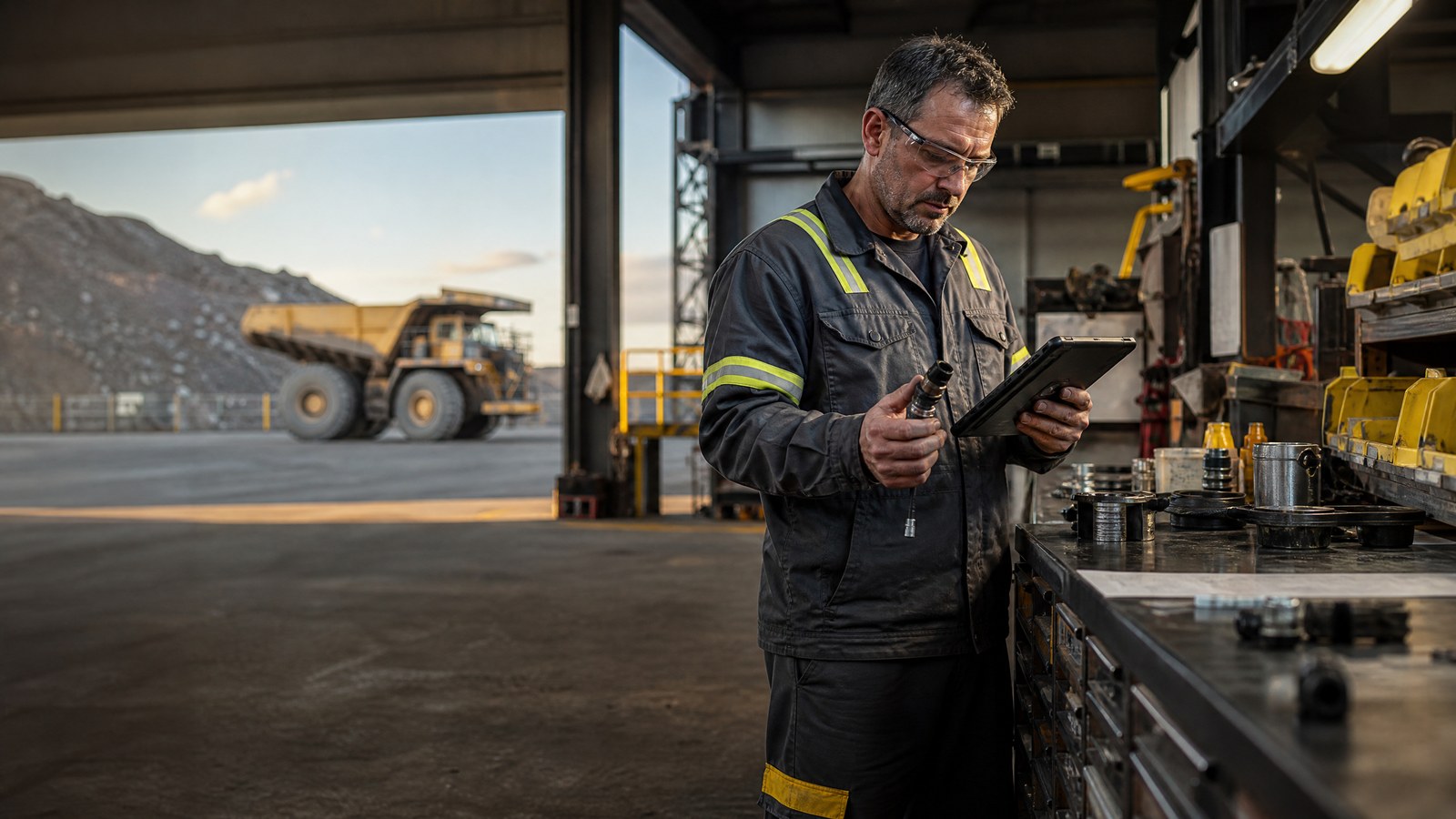
These days, manuals are making a digital jump. It is not just about taking the book out of the cab. Crews are snapping phone photos of pages and adding them to shift notes or team apps, so the answer is always at hand.
Some teams scan and upload common procedures or parts lists into a searchable database or knowledge hub. On Torqn’s platform, scanned pages can be tagged with machine models, site logs, or error codes. That way, when someone faces a cold-weather DEF problem next season, the solution is just a quick search away.
Highlighting and commenting on scanned copies have become routine. Marked-up manuals, complete with questions, warnings, or clarifying comments, turn these documents into living resources. This real-world layering of info makes every manual more valuable than the day it left the factory.
Making Manuals a Tool for Smarter Work
Komatsu manuals are not just glovebox fillers. They get pulled out when crew deadlines are tight, when machines are down, or when a process feels uncertain. Their highest value comes when operators share and reference them as part of their teamwork—online or face-to-face.
When someone bookmarks a troubleshooting section and another posts it in a forum, that page moves from static advice to a real solution that shapes how a whole shift works. Manuals tagged, shared, and updated through crew networks go beyond keeping one operator on track—they help every crew learn and adjust as jobs and seasons change.
This shared use means less backtracking, less explaining, and more time spent on what moves the job forward. Efficiency grows, shifts align faster, and experience flows both ways—from field to book, and book to field. That is what makes Komatsu manuals a tool for real teamwork, every season.
At Torqn, we know how much knowledge lives between the lines of shared documents and team conversations. That’s why more crews are finding ways to tie content from Komatsu manuals directly into their collaboration tools. When those resources are easy to find and talk about, operators learn faster and solve problems sooner. It keeps everyone connected across shifts, machines, and job sites. If your team’s ready to build smarter systems for sharing the things that keep work moving, we’re here to help make that happen.