
Real-world tips from the mining community help crews handle machine issues, prevent downtime, and stay ready through shared experience and forums.
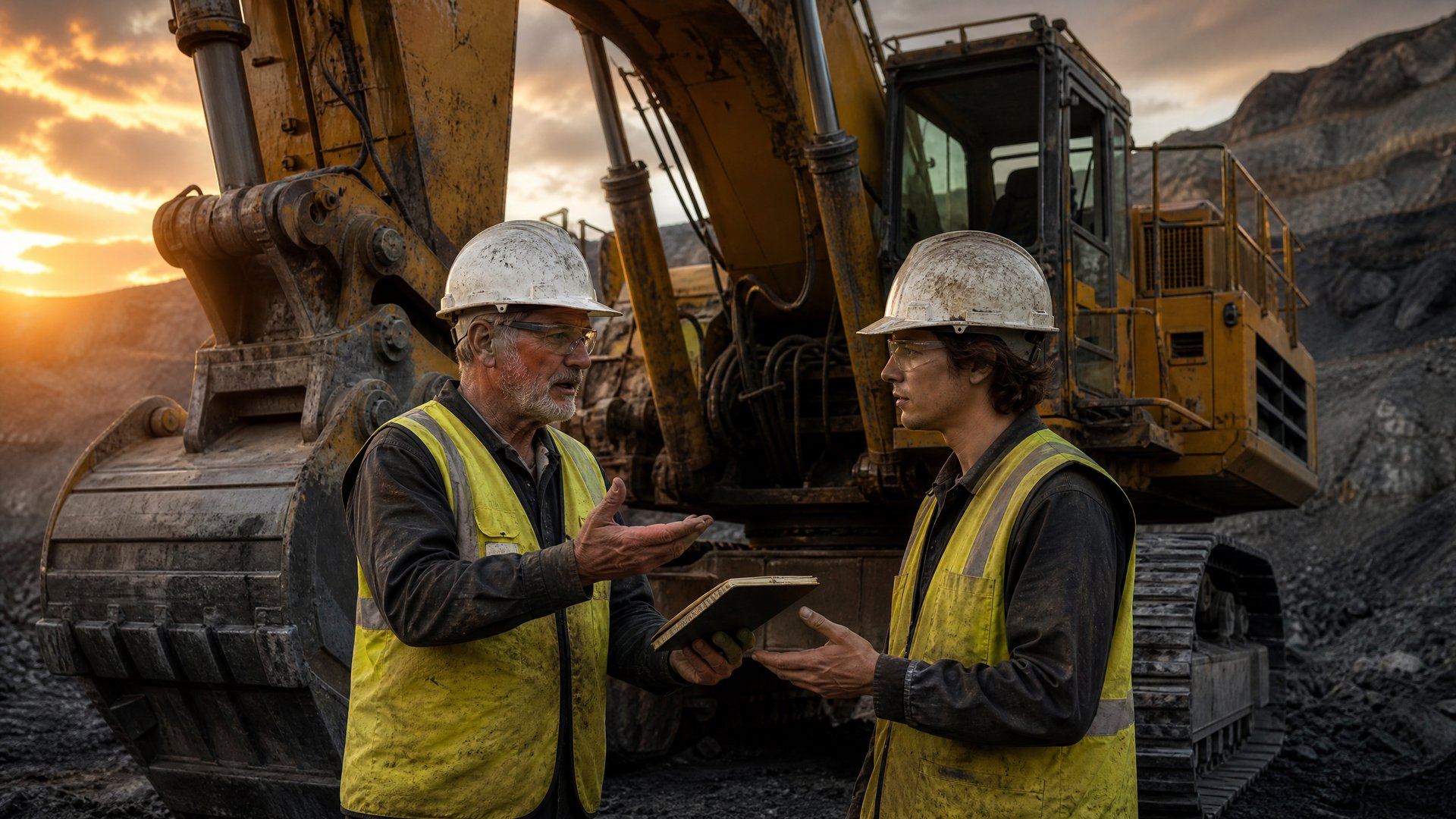
The mining community runs on more than machines. Most job sites rely just as much on shared lessons as they do on heavy equipment. When crews rotate between regions, seasons, and job sizes, real consistency does not come from the manual. It comes straight from each other.
That is where platforms and equipment forums step in. Workers and mechanics have always left notes on whiteboards or clipboards, but now those scraps live in searchable logs, forums, and community threads. Those everyday tips build a knowledge pool that benefits every job site—no matter where it is or who is on shift.
How Crews Learn from Each Other Across Regions
Lessons from one spot rarely stay in one place. That is one of the big strengths of the mining community. Whether you are dealing with spring mud in the Midwest or cold rock in the north, the site’s experience can help someone else next month or next season.
Crews often post about how to keep certain machines running smoother during tough weather, or how to handle terrain quirks that only show up hours into a shift. The best tips are not always huge. Maybe it is a method for jumpstarting a dozer on cold mornings, or a quick adjustment to reduce dust in a cab—these fixes get passed through chats, shift logs, or platform threads. When operators work across different parts of the country, they share real insights you will not find in the manual.
These shared experiences also set better expectations. If downtime rises when a certain temperature hits, that gets tracked and shared. Sites prepping for their own winter or spring crunch can make smarter moves before issues slow them down.
The Role of Forums in Equipment Maintenance
Heavy equipment breaks in all kinds of ways, and it is not always easy to know why. Sometimes, progress is slowed not by the machine, but by the mystery behind the fault. This is where equipment forums step in.
Post a question about a Caterpillar loader acting up at a certain temp, and follow-up comments from others can help nip the problem in the bud. Was the sensor bad? Did a loose line freeze? Or did someone else log a related issue last season? Forums help close those gaps fast.
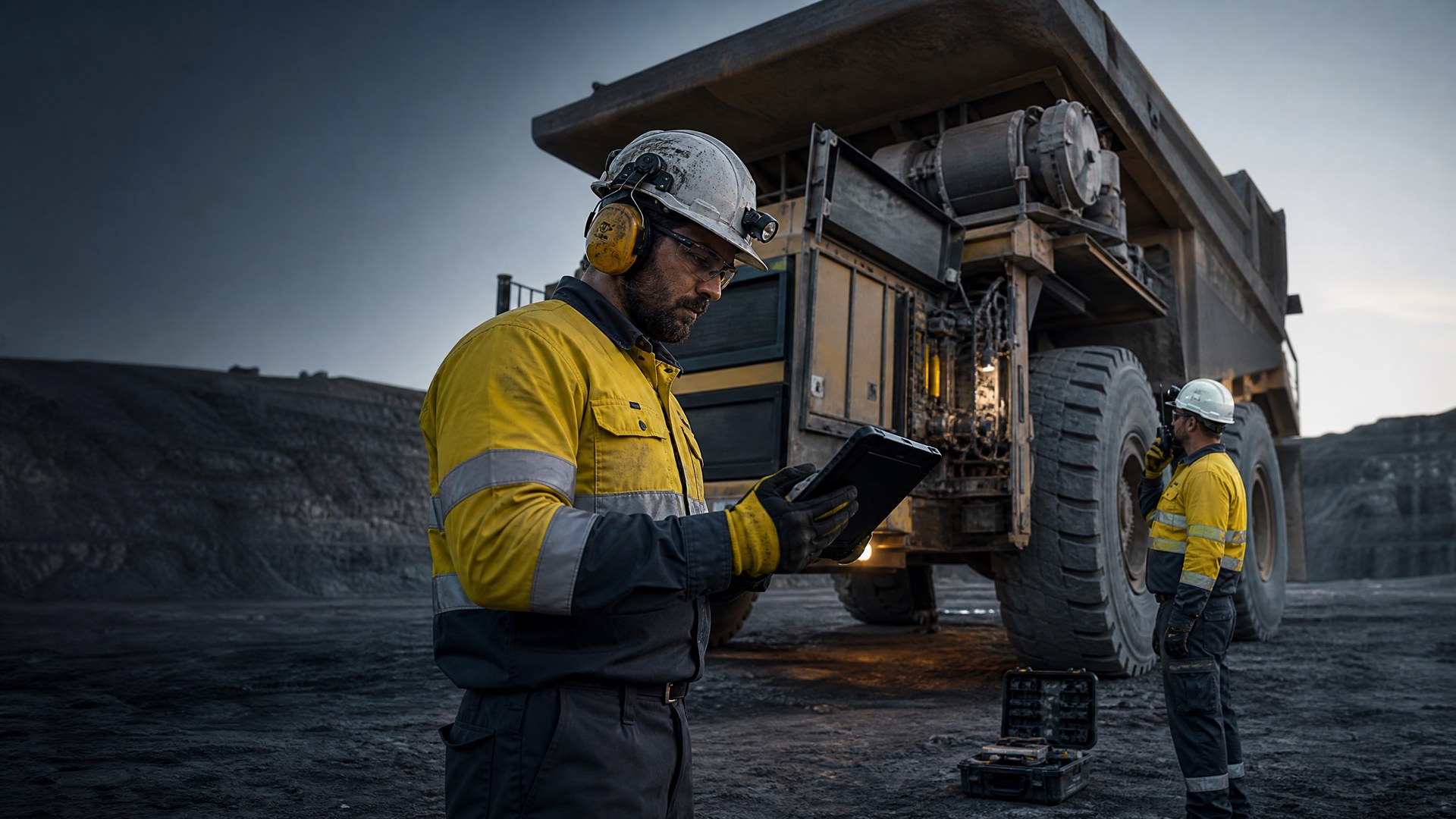
Forums serve as real-time learning spaces. Maintainers post walk-throughs of what worked, warn about short-lived parts, and swap reminders to clean out filters before the problem snowballs. That advice is easier to find, quickly read, and saved for the next time, compared to waiting for a spare set of eyes or hands.
Everyday Knowledge That Makes a Big Difference
The fixes that rescue hours are rarely complicated. Sometimes, it is as simple as leaving a panel open overnight so moisture escapes. Other times, one odd trick—like resetting a loader sensor—stops a week of breakdowns and delays.
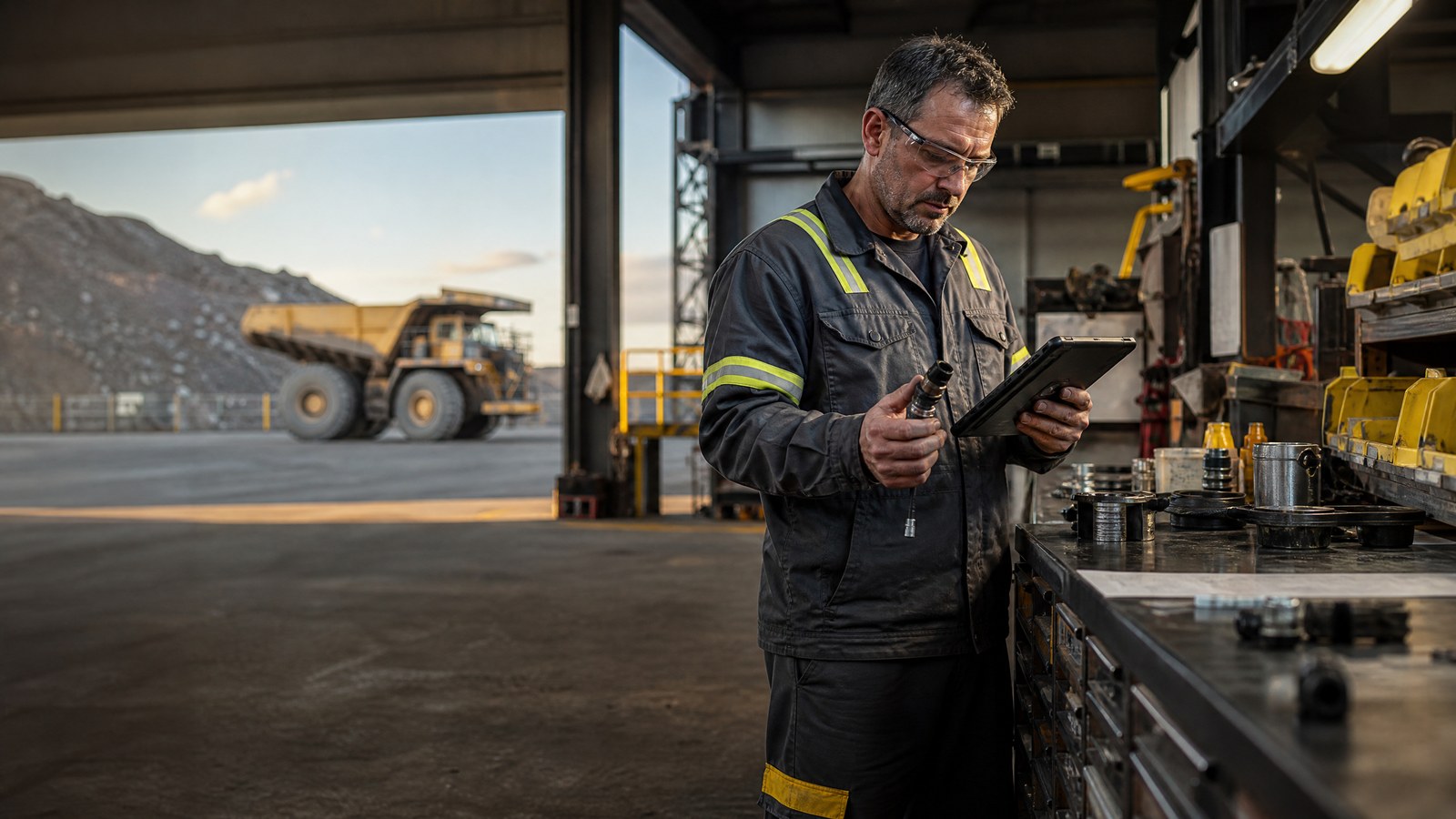
Small wins matter most when logged in a place others will use. Loader workarounds, cold start steps, or warning resets are easy to forget in routine conversation. But stored digitally, these tips reach the next crew right away.
Workers document site-specific risks too—like traction loss on a climb, early ice on a certain slope, or panels popping loose in strong wind. Whether to boost safety or cut headaches, these details become part of a cycle of shared learning and better handoffs.
How Knowledge Networks Keep Crews Moving
Logs last longer than memory. That is why searchable threads and proper shift records are now cutting down confusion and loss of time. Shared networks give the next crew a window into what has been tried, what worked, and what to watch for—right from the operator who was there.
Repairs or quirks, when tagged by model or machine, become suggestions for everyone. If last year’s post about Komatsu track tension gets seen before winter, it just may prevent three wasted service calls. No more reset and restart every shift; knowledge builds up over weeks, rather than slipping away.
Easy access to these live records makes it possible for crews to move without risky shortcuts or missed steps. If someone already solved a wire vibration last shift, the next operator can jump straight to the fix. That habit of logging updates keeps everyone safer, season after season.
Platforms like Torqn support this with customizable logs and team search features, letting mining crews find updates fast, no matter the site or the weather.
Why Shared Experience Fuels Safer, Smarter Sites
As the calendar pushes toward December, job sites focus on staying ahead of winter’s curveballs. But new problems still show up—especially when fresh crews rotate in or when equipment shifts regions. That is when the mining community’s shared experience becomes everyone’s best asset. Cold-weather patterns—like which fluids last, where heaters lag, or when sensors delay—do not have to become guesswork.
Logbooks and forums help both veterans and new hires hit the ground running. When what has worked (or failed) in the past is easy to access, fewer lessons are learned the hard way. That helps machines last longer, and lets crews avoid repeat downtime.
Site to site, lesson to lesson, mining works best when hard-earned knowledge keeps moving. No operator or mechanic can do it alone. With every shared tip or posted fix, crews build a kind of memory that makes each shift stronger than the last—and turns challenges into smarter work every day.
At Torqn, we’ve seen how knowledge sharing strengthens everything from shift handoffs to breakdown response times. When one site improves their process or logs a small repair that ends up saving hours elsewhere, everyone wins. That kind of shared insight is what keeps the mining community working smarter, not harder. Ready to help your crews stay connected and keep institutional knowledge in play? Let’s talk.