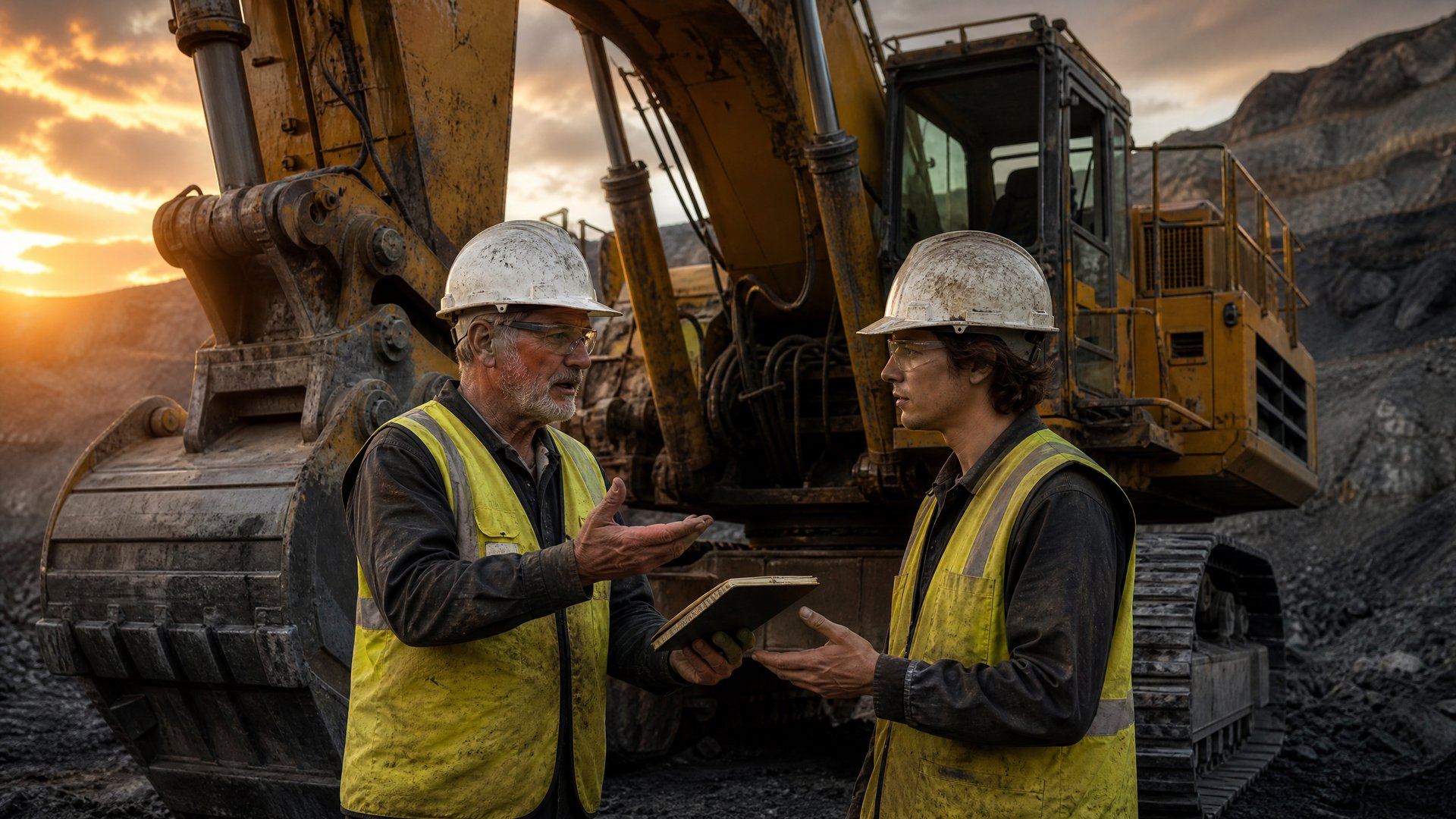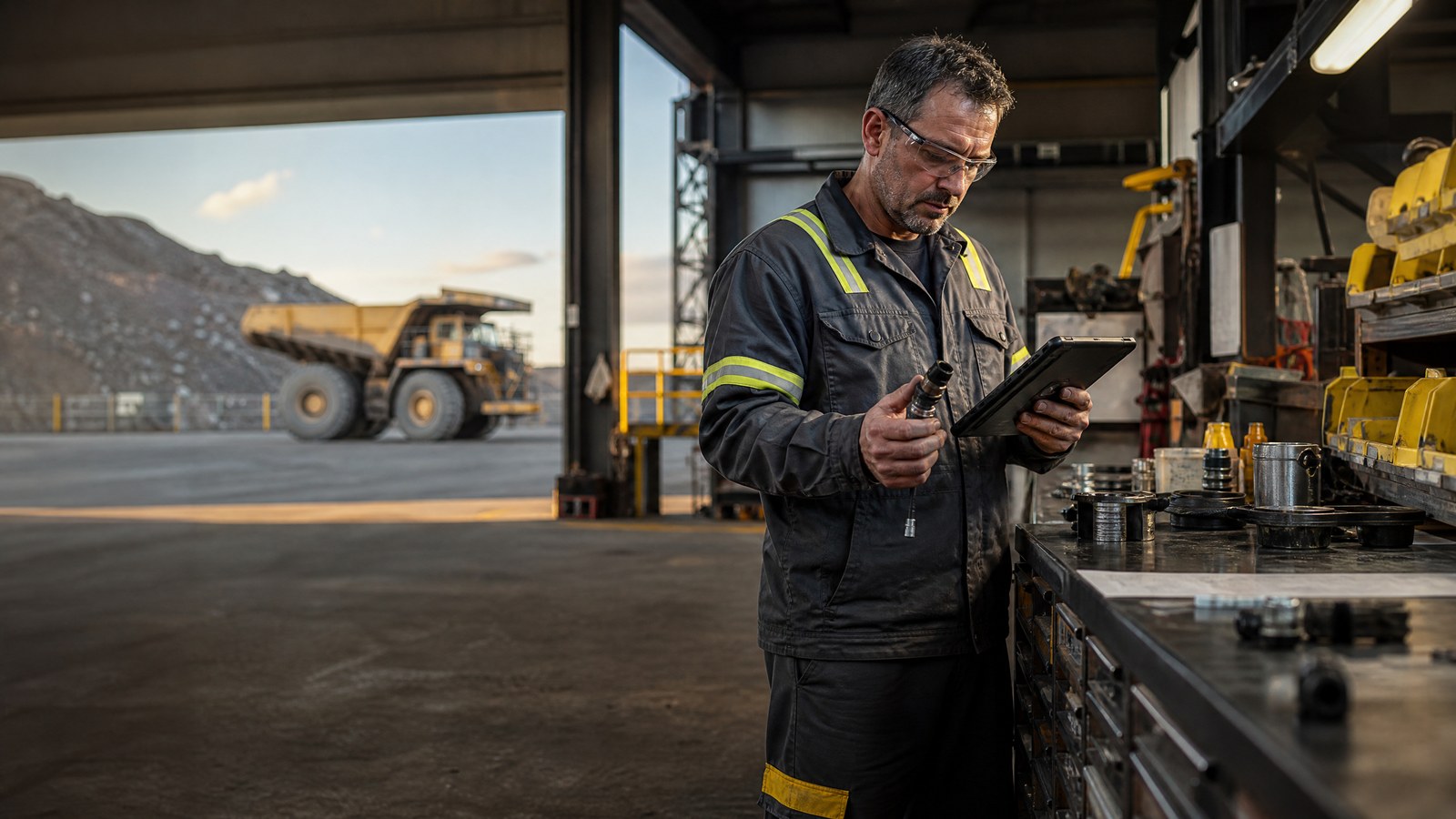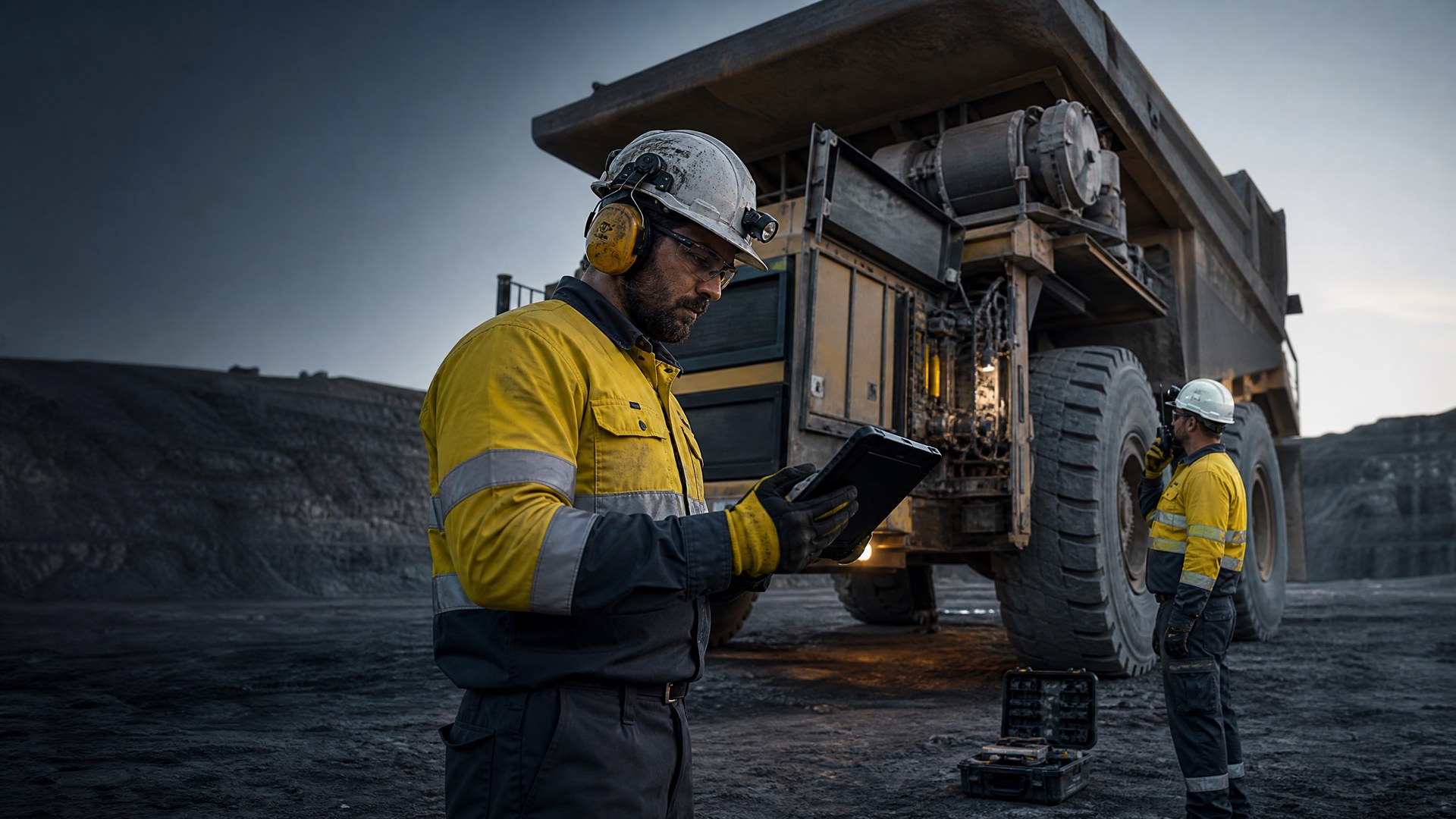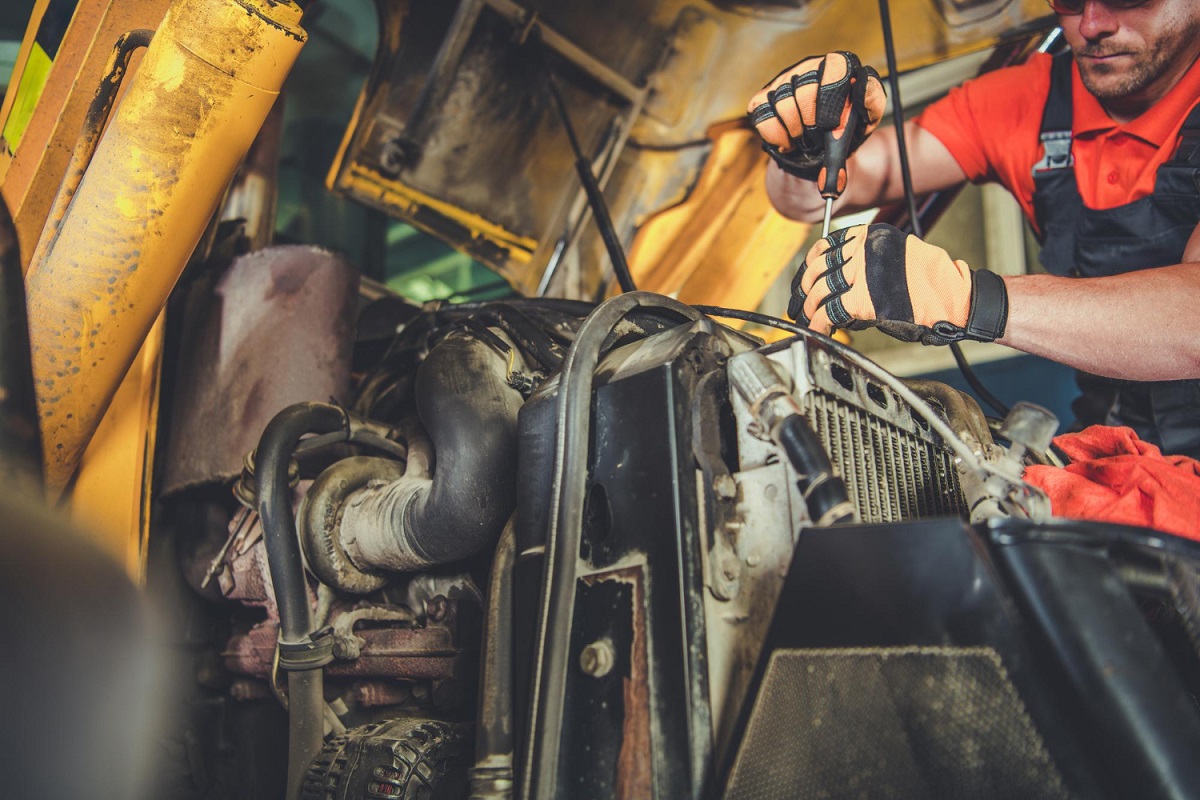

Keep crews moving with a strong knowledge network that helps operators share fixes, stay ready, and solve problems across brands in tough conditions.
Keeping machines running in the middle of winter is no small task. Teams are working with cold hands, wet gear, and short daylight hours, all while trying to fix heavy equipment that does not wait for ideal timing. When engines freeze or hydraulics go sluggish, there is no room for guesswork. Every hour matters, and delays stack up fast.
That is why having a way to share what works, from quick fixes to tricky brand quirks, makes a huge difference. A solid knowledge network helps everyone stay on the same page. When crews post updates, swap tips, and look up solutions in one spot, repairs stop being a guessing game and start moving faster. Operators do not have to figure things out alone. They work smarter when the answers are easy to find.
Why Equipment Troubleshooting Still Moves Too Slowly
Even now, many fixes still rely on memory, phone calls, or hand-written notes. One person might remember a trick that worked last winter, but if no one else knows it, the crew has to start from scratch. That costs time.
Older machines or newer models from brands like Komatsu and Caterpillar can each have their own habits. Without a shared log or system to track what worked before, even common repairs turn into drawn-out trial runs.
• Operators repeat the same problem-solving steps, one after the other, hoping something sticks.
• Machines sit idle until the right person shows up or someone remembers the answer.
• Quick fixes never get shared, so they go unused across an entire crew or site.
When nothing gets written down or passed along clearly, small problems grow. And in the middle of winter, there is no time for avoidable setbacks.
How a Shared Space Speeds Up Fixes
Fixing machines gets faster when crews use one place to post what they have seen and how they solved it. It could be something as simple as using a different brand of oil in a Volvo or resetting a sensor that shorted out in freezing temps. When that tip gets saved where others can read it, it becomes part of the group’s memory.
Over time, these small notes build a kind of playbook, a record of what works, what does not, and how to avoid repeating common mistakes. That kind of shared library takes some of the weight off new workers who have not seen every problem yet.
• Operators learn quicker when they can search tips without waiting for someone to show them.
• Experienced crew members can post useful advice without needing to stay late explaining every detail.
• Teams quit repeating mistakes when everyone shares what went wrong and how to fix it.
This type of system works like a digital toolbox, ready when crews need it most.
Real-Time Problem Solving in Winter Conditions
Winter creates its own list of problems. Batteries drain fast, screens freeze, and snow hides weak spots in the yard. On top of that, the cold slows down the people fixing it.
When there is a space where operators can check how others handled winter problems or strange cold-weather glitches, repairs go quicker. There is no need to test ten things when the answer is already posted, right from another job site.
Mobile access matters now more than ever. Crews do not have time to step away and log into a desktop. Being able to check an update from a phone by the machine means the fix happens faster, with less back-and-forth.
• Questions get posted mid-shift and answered without a meeting or call.
• Winter-specific tips, like ways to thaw frozen lines or check seals, can be listed for quick search.
• Crews spend more time working, less time waiting for instructions.
When time is short and hands are cold, working with a live feed of fixes is a major help.
Using a Knowledge Network to Connect Brands and Crews
Not every brand works the same way. A Caterpillar might roast the cab when turned up too high in low temps, while a Hitachi may need a softer start to avoid system errors. These little quirks pile up when crews run a mix of models.
A knowledge network makes it easy to compare. Someone running a Volvo can post how their hydraulic lockout froze and what workaround kept it running. Another team with a Komatsu might chime in that theirs did the same, and they fixed it with a power cycle plus a sensor reset.
• Operators share machine-specific knowledge that others would not know without going through the issue themselves.
• Cross-crew learning means fixes from one site help a dozen more.
• Brands do not have to be a mystery when users talk through problems in one space.
It is not about replacing experience, it is making it shareable.
Helping Teams Stay Ready, Not Just Reactive
Everyone knows fixing machines as they break gets old fast. It stresses crews, pushes deadlines, and makes it harder to stay on track in harsh conditions. A better way is to keep teams ahead of the breakdowns instead of racing after them.
A good knowledge network does not just solve today’s issue. It builds smarter habits across the group. The newest person on site can read how the most experienced operator fixed that loader last January. And maybe post their own update by spring. That grows into a crew that is not just reacting, but thinking one step ahead.
• Shared info cuts training time and builds trust.
• Repeat breakdowns get caught earlier when people know the warning signs.
• Everyone, from the greenest operator to the senior tech, works off the same history.
Why Torqn Is Built for Busy Operators
We make it easy for teams to capture what works and share fixes in real time, making sure nothing useful gets lost during busy shifts or rough weather. Crews get a secure, branded platform where admins manage access, so troubleshooting threads, inspection checklists, and safety updates are only a click away. By giving everyone, from operators to field managers, a searchable hub for tips and updates, we help keep all users, industries, and locations connected through one powerful network.
In months like January when time is tight and machines do not go easy, being connected is not just handy, it keeps the job moving. Teams who talk, share, and check in with each other have fewer surprises, faster shifts, and more time to get the work done right.
At Torqn, we believe the best solutions come from teams learning together, not working alone. When your crew can post updates, share ideas, and access helpful tips in a unified platform, mechanical challenges do not have to slow anyone down. That is the value of building a strong knowledge network: every shift runs more smoothly, even when conditions are demanding. Ready to help your team connect their minds as effectively as they connect their machines? Reach out to us to get started.