Field crews share fixes that stick through equipment troubleshooting forums—reducing downtime, improving decisions, and keeping work moving.
Heavy equipment often breaks at the hardest times. Maybe it happens mid-shift, while a job is half done, or just after a sudden cold snap. Manuals always help, but they do not cover every scenario, and a field operator cannot always wait for a service call. This is where equipment troubleshooting forums make a difference. Forums let crews share what really worked and solve problems faster, without relying on luck.
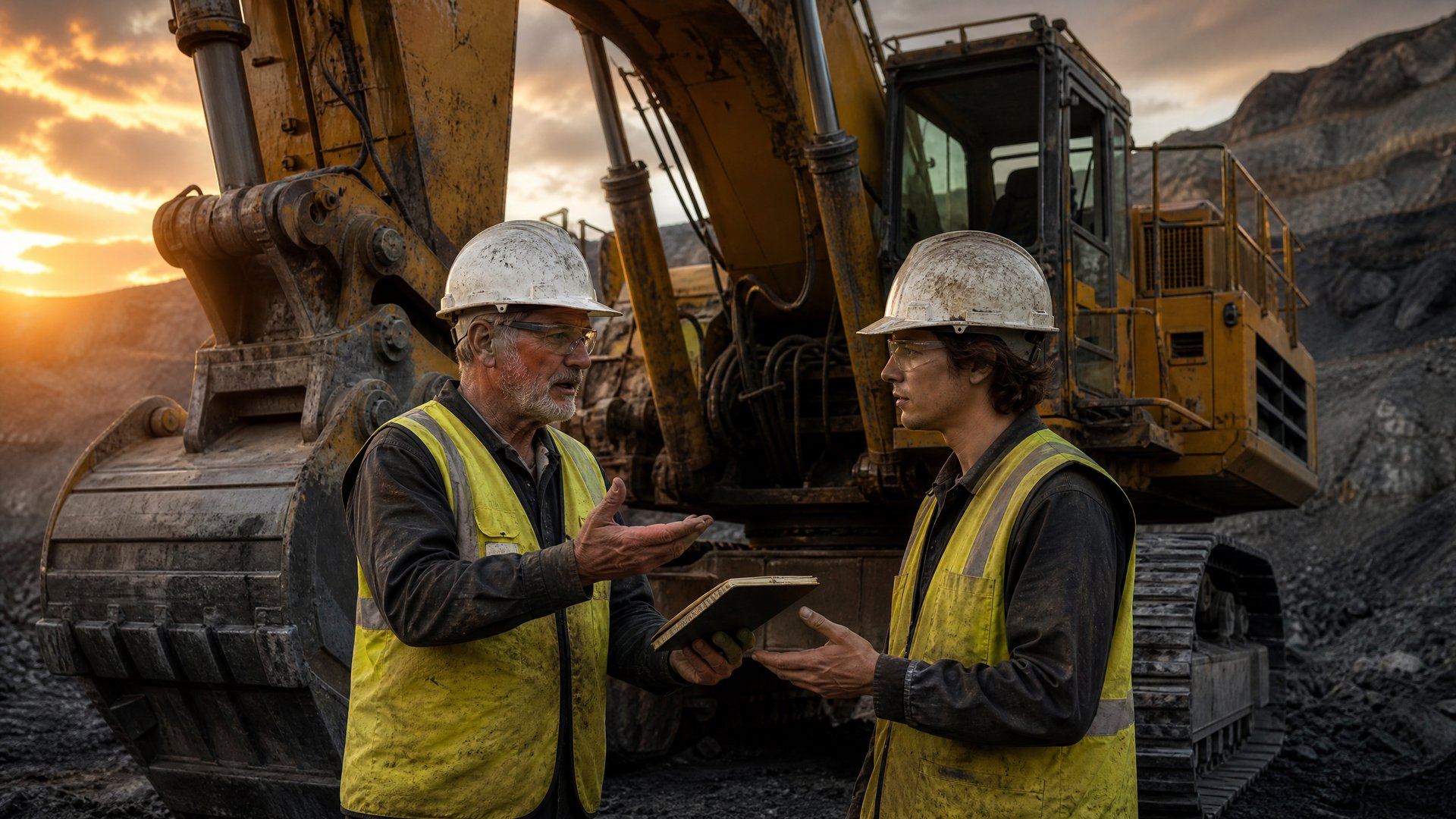
When a tech gets stuck, there is nothing better than hearing how another operator solved the same flashing code or random shutdown. Forums make space for real field-talk—clear fixes, honest reminders, and real-time feedback from others on the job. The best solutions do more than solve today’s problem; they become tomorrow’s habit, saving time and stress all around.
These groups help turn field know-how into true teamwork. Crew members swap practical solutions, like jumpstarting a regen in bad weather or avoiding mistakes that someone else learned last month. The advice sticks because it comes from people actually facing equipment in tough spots.
Community Fixes That Work
Most people sharing on equipment troubleshooting forums want to get the job done and move on. Practical tips are fast and skip the fluff. Instead of big talk, you get things that have been tried, tested, and tweaked under actual job pressures.
A Komatsu D61 idling rough in cold weather? Odds are another tech tried two or three fixes last week. Maybe a quick sensor swap worked, or maybe a sequence on the fuel lines sorted it out. That kind of back-and-forth beats paging through a manual or tossing spare parts at the problem.
It is the same with stuck regen cycles or DEF sensor warnings. The moment someone shares exactly what they did (in order), another crew can follow along—and maybe avoid the same holdup in the next shift.
What Techs Share and Why It Matters
Not every post is gold, but some threads offer must-have info. Common topics are regeneration stalls that will not reset, error codes that clear up only after a specific test, or sudden shutoffs that happen right when work ramps up.
Forums often home in on certain makes and models. Caterpillar loaders and Komatsu excavators pop up with patterns, especially when crews use attachments or work under unusual stress. The more detailed the original post, the more useful the replies—specific part numbers, timestamps, climate, and work conditions.
Solid answers do not just say “check the manual.” They walk through what went wrong, what steps worked, and if a part swap fixed it for good. Field-tested advice carries more weight because it lived through the same trouble it explains.
Bringing Forum Knowledge into the Shift
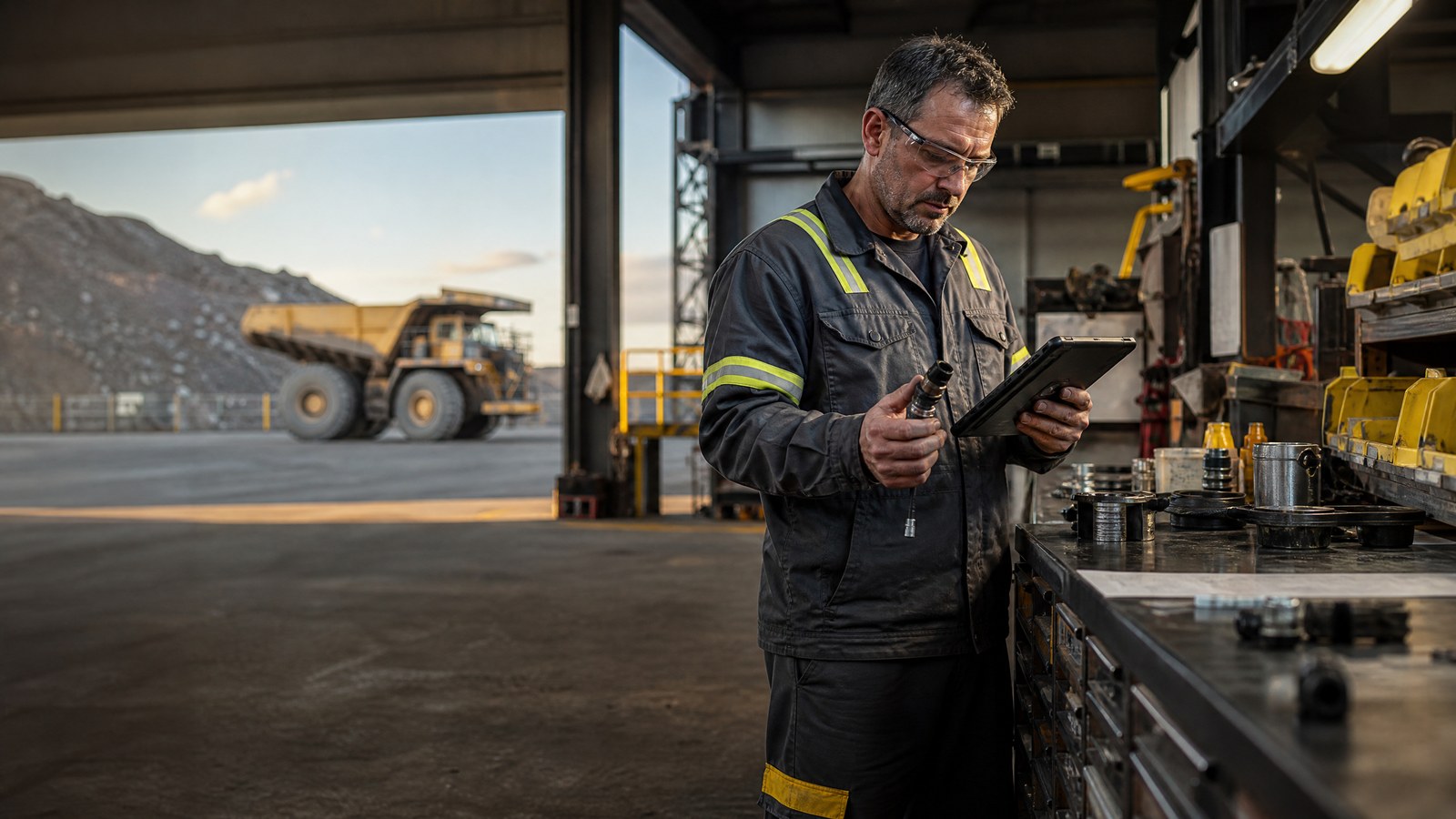
A good answer only helps if it is kept handy. Smart crews do not let quality advice slip away. They take screenshots, copy steps into logs, and pass quick notes through group texts or their shift apps.
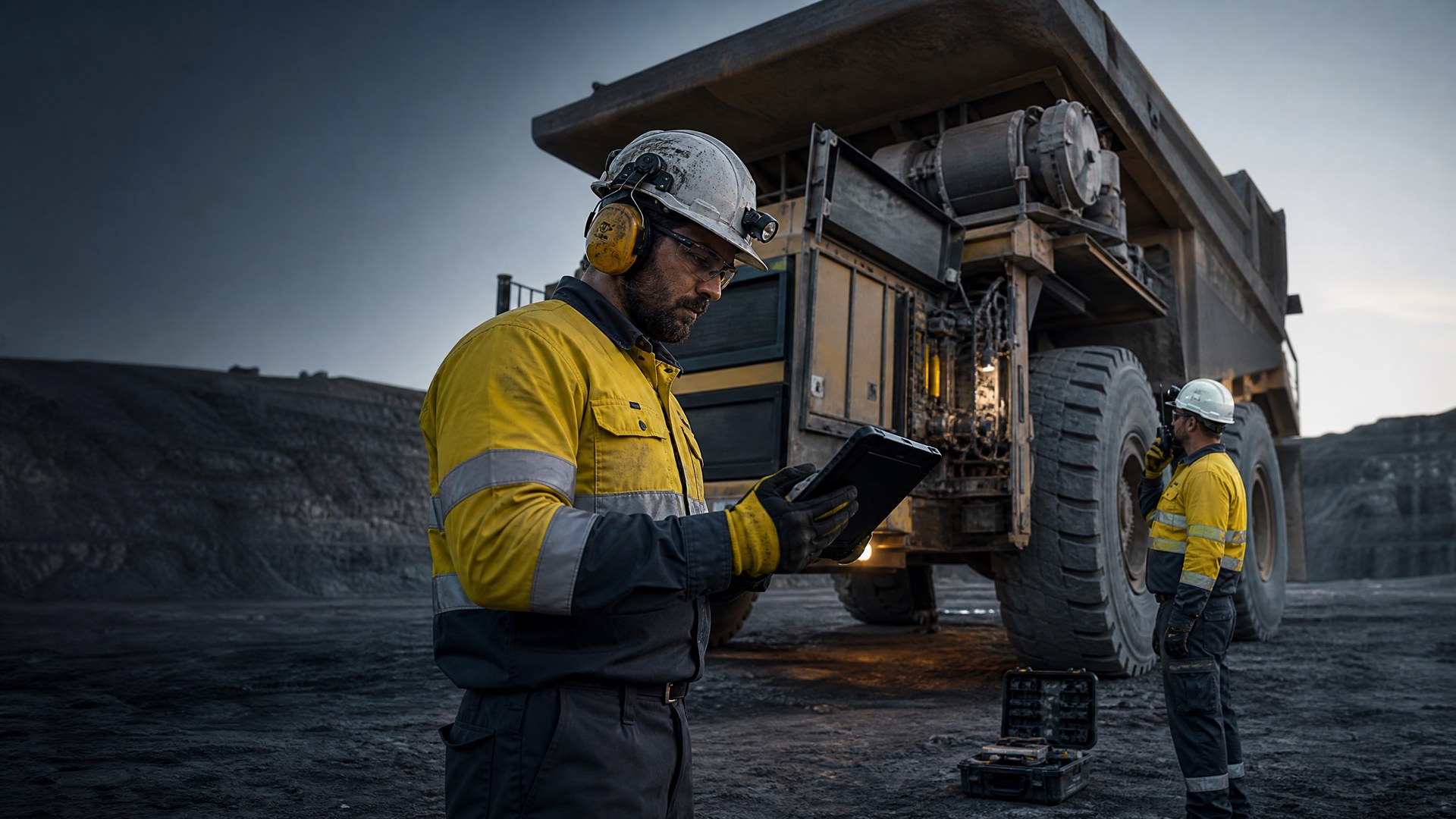
Maybe someone posts a win right after their repair. A tech in another location can use that same tip by pulling it up in the morning log. Even small details—photos, before-and-after shots, or quick how-to notes—build a bigger memory bank for every person working on the machines.
Torqn’s knowledge tools let users tag and file feedback, so those field-solved fixes do not vanish as projects rotate or team members swap out. That keeps every lesson one tap away for anyone who needs it.
Safe Uses and When to Be Careful
Not everything in a post is worth copying. Some advice cuts corners or skips safety. Teams have to read carefully, looking for posts that share warnings and steps, not just quick wins.
A fix that worked on a 2022 loader in Nevada might not do the trick for a 2017 model in a freezing warehouse. Be sure advice fits your gear and your environment before trying it. Good forums self-correct when someone leaves an incomplete or risky response—the community steps in, gives more detail, or points out what didn’t work.
Self-policing makes these platforms better. If a post gets updated with a better fix or flagged for missing steps, everyone learns faster and with less risk.
Getting More Out of Shared Knowledge
The best field crews do not just use the forums—they grow from them. Pulling tips into daily checklists, tagging fixes by job type, and logging successful steps builds a shared record within the team.
Once crews recognize patterns—like a loader that lags every fall after cold rain—it is simple to go from chasing problems to planning ahead. Now, every repeated issue feels less random, and solving it gets quicker every time.
With months of shared notes, troubleshooting stops being reactive. Instead, teams start every day with a bigger pool of solutions, more confidence, and less need to repeat old mistakes. That connection to outside input keeps all the gears turning smoother.
Smarter Answers, Fewer Delays
Equipment troubleshooting forums are more than a collection of quick fixes. They are networks where experience and advice flow between crews, operators, and techs. Every new answer shortens the time between breakdown and fix.
When field knowledge is shared, machines last longer and work moves faster. Trust in the advice grows stronger with every lesson learned and every job finished. With fewer delays and smarter choices, everyone works better—and every shift runs closer to plan, not panic.
Strong collaboration has always moved fieldwork forward, but it takes the right tools to carry that knowledge from shift to shift. At Torqn, we’re focused on helping crews collect, store, and share insights that come directly from experience. That includes turning practical tips from equipment troubleshooting forums into trusted knowledge that sticks with the team. We believe smart fixes don’t just solve problems, they strengthen the way crews work together. Want to make shared learning easier and more reliable? Let’s talk.