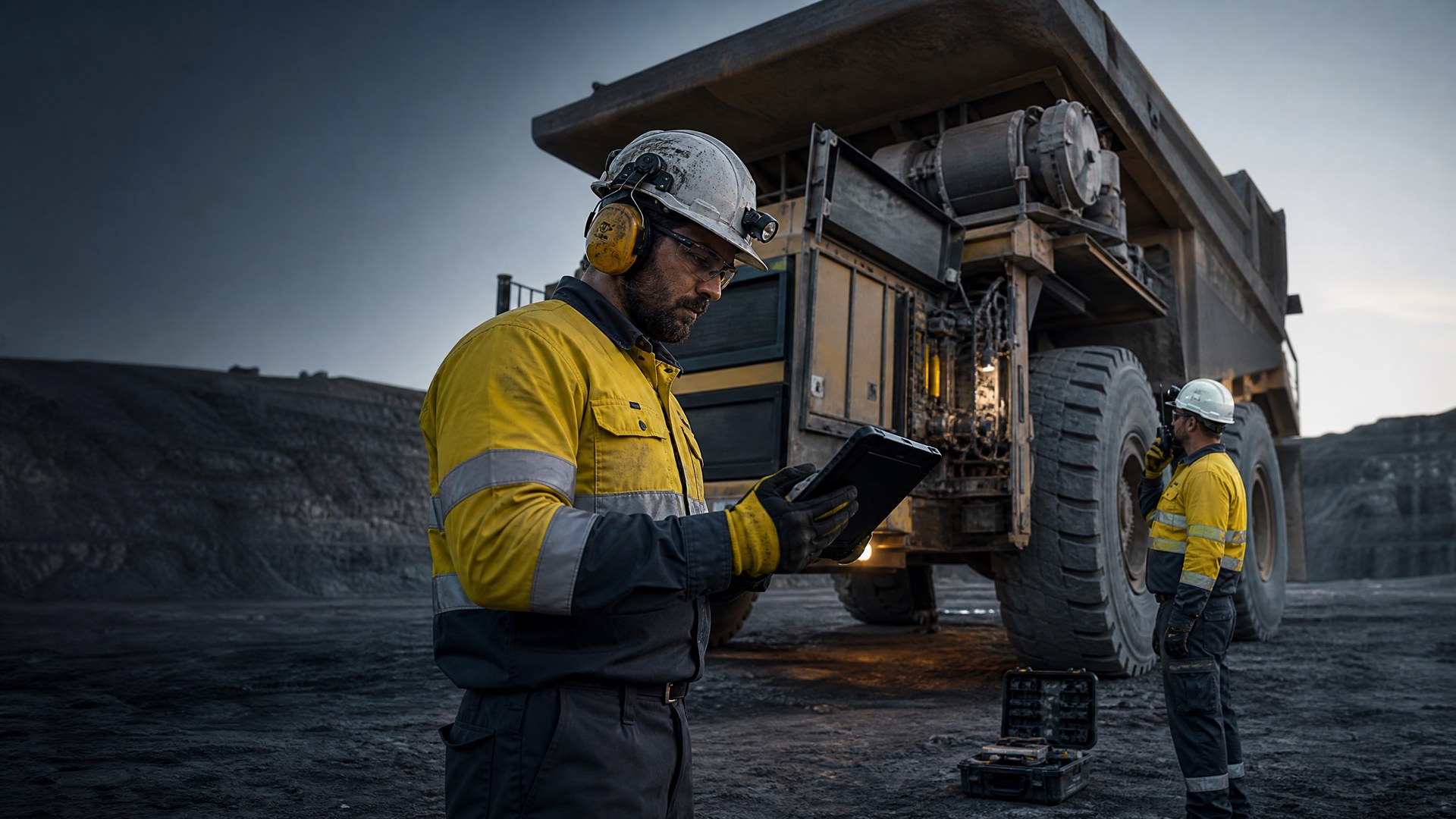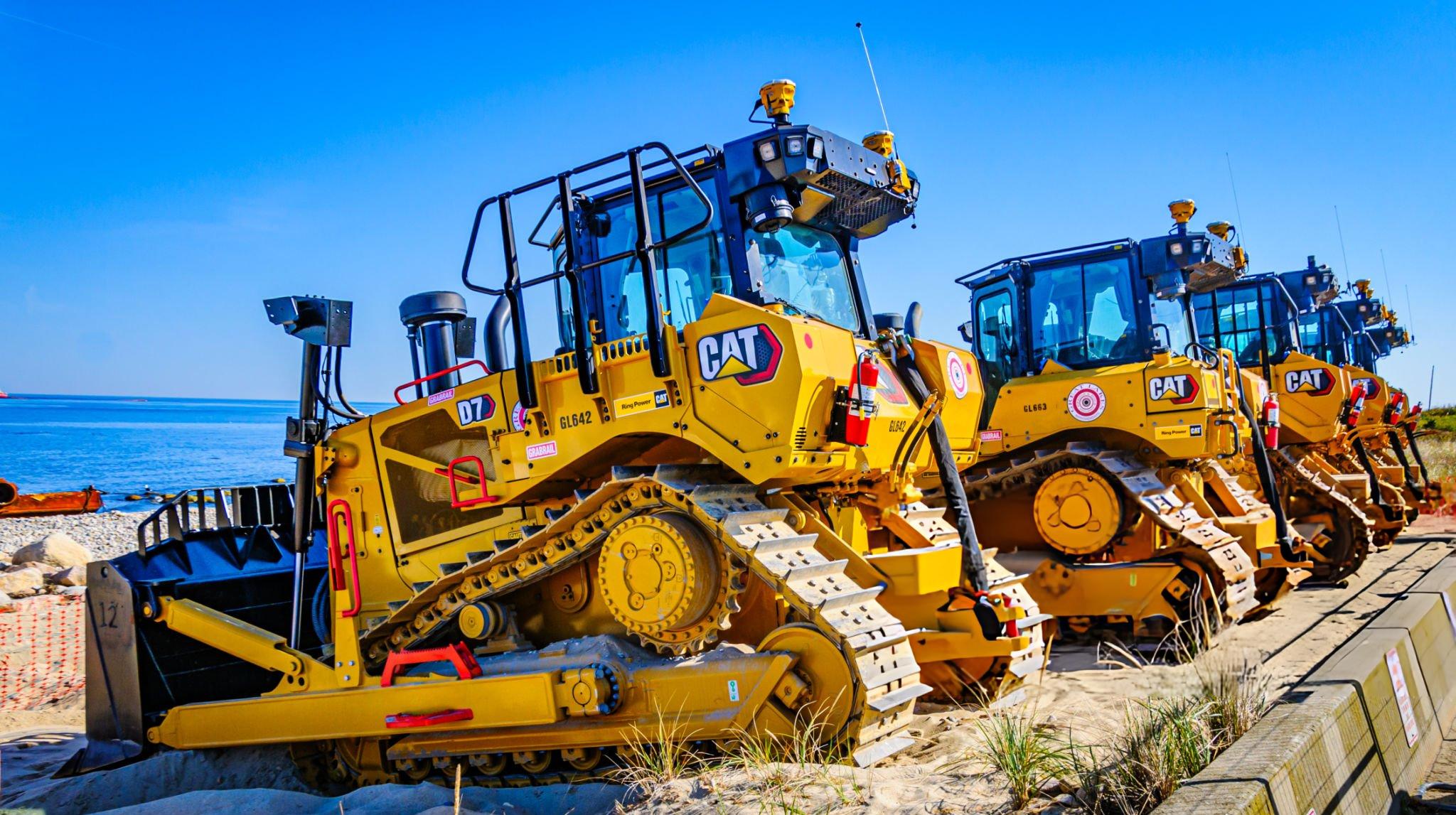

Caterpillar manuals help operators troubleshoot, sync routines, and build shared knowledge that sticks across changing jobsites and rotating crews.
Caterpillar manuals have a steady place on nearly every job site. They are not flashy, and they are definitely not new, but most operators would not go a day without one close by. These books are not just for troubleshooting or double-checking controls. They are part of a complete system that helps the crew work better with their machines, each other, and the daily tasks on hand. Whether it is a dozer that will not complete a regen cycle during a cold start or a hydraulic action that just feels off, many operators turn to the manual before calling it in.
Sites with changing weather or multiple shifts on the same machine cannot afford a lot of guesswork. The more detailed the instructions, the better the crew can keep things running smoothly. Over time, pairing the physical manual with digital logs, internal forums, or daily checklists makes each reference a resource for the entire team. That daily check-in matters for more than just mechanics. The manual helps everyone watch for patterns, stay on track, and keep moving when things get busy.
Why Operators Still Read the Manual
Emergency fixes do not mean flipping open a book, but manuals matter for a reason. They are great for answering smaller questions before they turn into bigger problems. When troubleshooting a machine or double-checking something another operator noticed, the manual becomes the quickest path to agreement.
Operators reach for the guide to lock down model-specific details. Maybe one unit needs extra warm-up for fall starts, or another resets controls in a different order. Checking a marked page or scrolling through the digital copy cuts out the guesswork. This is especially useful for those new to the brand or handling different rigs during a long week.
On crews that rotate often, a shared manual keeps the language clear. Procedures, steps, and common fixes get more consistent job to job. When everyone uses the same book, it connects scattered experience and prevents confusion. That is less time explaining and more time working.
Most-Referenced Sections Inside a Caterpillar Manual
Some pages take more wear than others. Startup and shutdown steps get the most attention. These routines can shift slightly depending on weather, the job site, or how the machine was last used. Operators want to double-check in fall or spring, when every start feels a bit different.
Troubleshooting sections draw plenty of eyes too. Common issues like DEF errors, unfinished regen cycles, and vague power warnings seem to hit at random. Manuals offer a baseline for these, giving a starting point before operators talk it through or call maintenance.
Safety details matter just as much. Diagrams and checklists about slopes, angles, or safe braking are reviewed alongside shift notes when teams are dealing with changing ground. If a slow response comes up after cold weather, the manual helps crews compare notes to the warning labels and confirms everyone is seeing the same things.
From Manual Pages to Forum Conversations
A lot of problem-solving starts with someone opening the manual and sharing a specific line or diagram. Then, a forum thread grows. One operator says, “The manual calls for X, but here’s what worked for me.” This sparks a conversation, getting both the rulebook view and real-world tweaks out in the open.
We see this when the manual suggests checking a fuel line, but an operator points out they fixed an issue by swapping out a certain injector, something not in the book. Suddenly, the entire crew has a broader toolset and fewer dead ends.
These moments add up. Owners and senior operators layer in field-tested ideas, and others jump in with results. The digital log, when tagged by model or system, lets future crew find the solution without sifting through old questions. The cycle builds a stronger shared memory every season.
Keeping Manuals Useful in a Digital System
Paper copies stay in the machine cab, but things have changed. Most teams also scan, snap, or upload useful pages to their favorite app, duty log, or chat group. This puts key diagrams and steps just a tap away for the entire crew.
Crew leads pin starting checklists in digital messages. Techs drop a screenshot into the repair thread. Ops managers package the most-used pages for training or orientation. This blend means whoever needs the info finds it fast—no matter what shift, site, or season.
When notes from the forum about a recurring error get matched with a screenshot of the manual solution, learning speeds up. Teams that tag these resources by machine, date, or fix find answers before problems turn into repeated calls. Sometimes even one image of a fuse panel or shortcut helps shave minutes off a task in the field.
Results That Travel with the Crew
No one leaves Caterpillar manuals to collect dust. They move from job to job, shift to shift, and site to site—folded into the routine of loading, running, repairing, and reviewing. Operators use them to stay ahead of the weather, prep for tasks, or check a quirk before it turns into a major headache.
But the key is in what comes next. Reading the manual is step one. Mixing that with shared crew notes, updates, or quick posts is how the manual stays alive. Teams question, confirm, modify, and expand. With manual pages and real voices working together, the manual becomes more than a book. It is the backbone of a living, working system—one that operators make better every day with what they learn and share.
At Torqn, we’ve seen how small changes like sharing images or syncing documents can make a big difference in how operators work together on site. When crews use a mix of shared tools and bookmarked resources, they build habits that speed up problem-solving and keep everyone on the same page. That’s especially true when materials like Caterpillar manuals are easy to find, reference, and discuss across shifts. Creating that kind of teamwork doesn’t happen by accident—it takes the right mix of access, trust, and input from the field. Talk with us about building a smarter way to share knowledge across your crews.