.jpg)

Learn roles, governance, and content workflows to build and moderate a knowledge network where equipment operators share fixes and drive adoption.
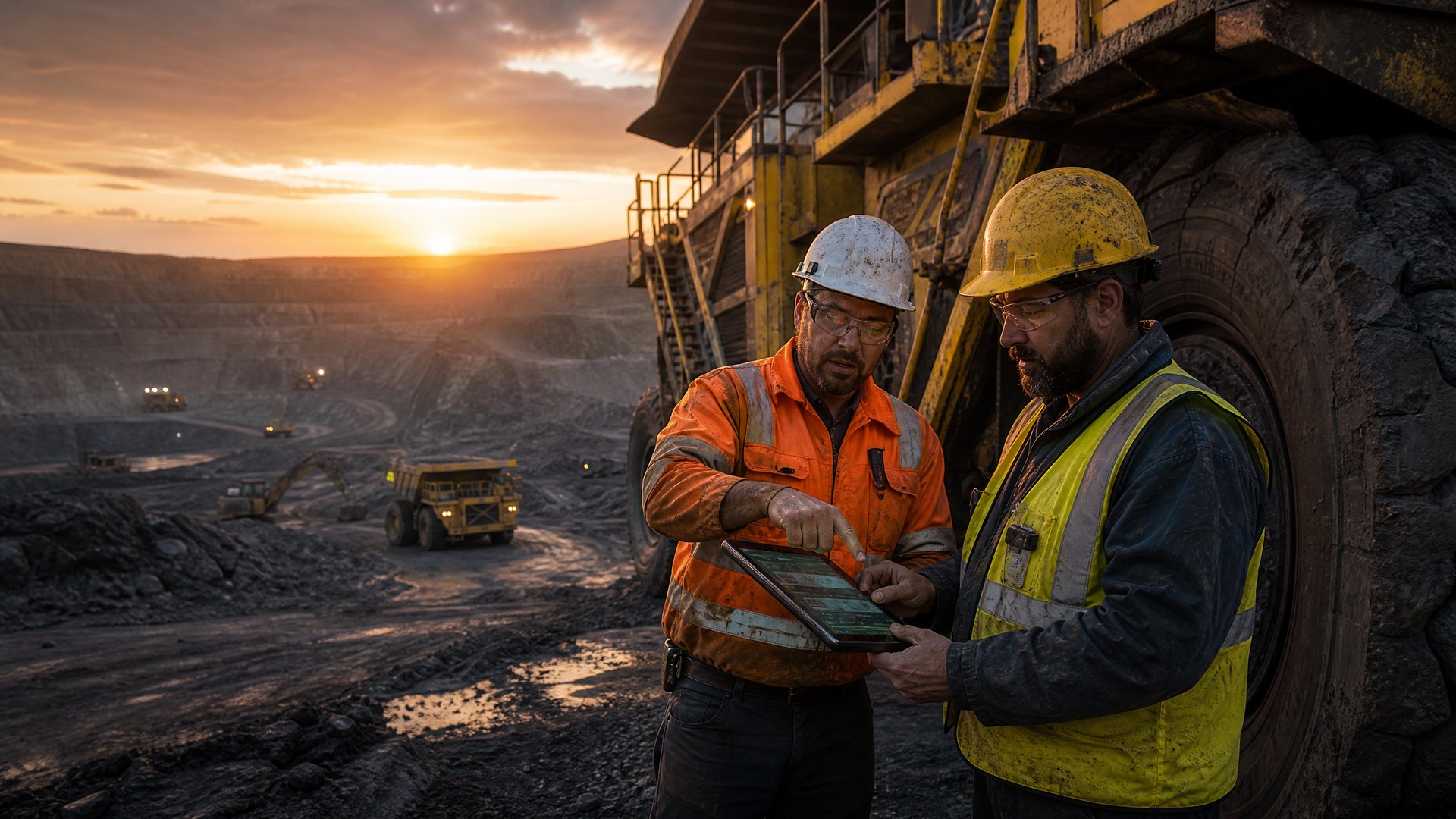
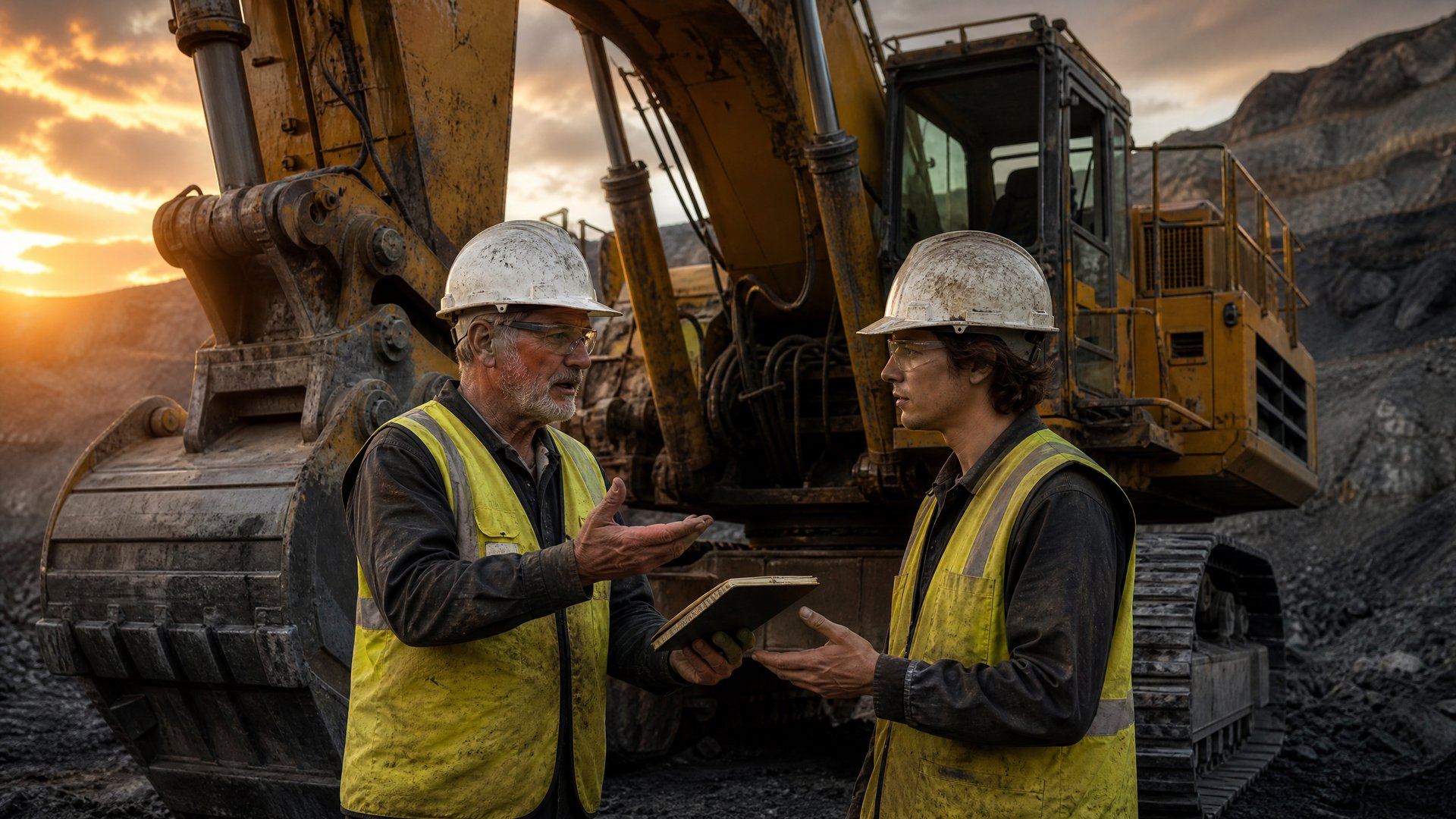
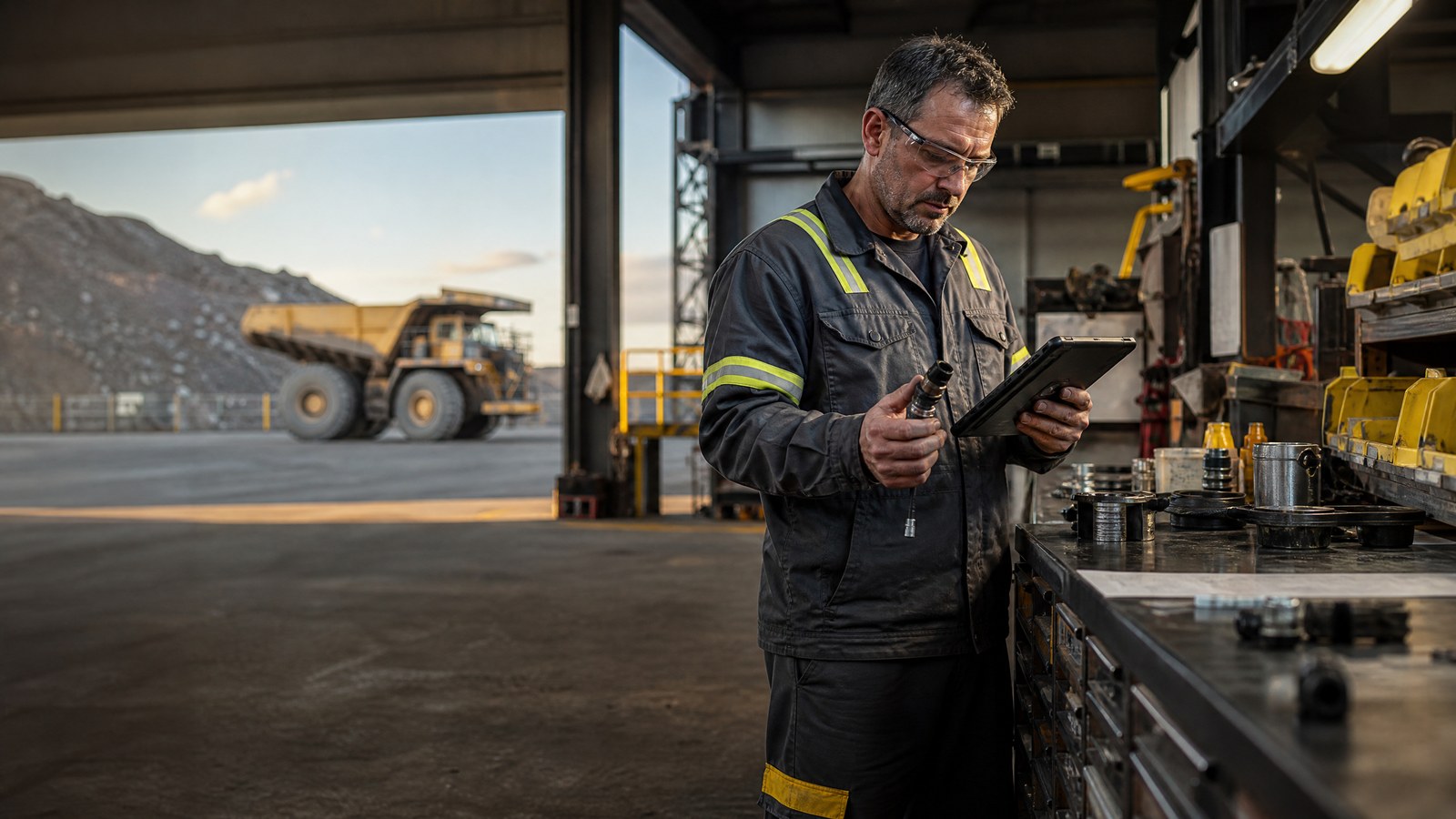
Heavy equipment runs the project, but operators’ know-how keeps it alive. When spring hits, backlogs grow, new crews show up, and every machine gets pushed hard. That is exactly when we feel the pain if key knowledge only lives in a few people’s heads or on a whiteboard in the trailer. A construction knowledge network gives that know-how a home where everyone can use it, not just the people on one shift.
In this guide, we will walk through how to build and moderate a construction knowledge network that actually fits the jobsite. We will look at roles, governance, content workflows, and simple adoption tactics so operators, mechanics, and supervisors can solve problems faster and ramp up new people before the season peaks.
Turn Operator Know-How Into a Scalable Advantage
A construction knowledge network is a shared, app-based space where people around your fleet talk about one thing: how to keep equipment running well and safely. It is always on, and it travels with your crews from site to site, just like the machines do.
In simple terms, it lets:
• Operators share real fixes and tricks that respect OEM rules
• Mechanics and techs troubleshoot without starting from zero every time
• Supervisors and safety leads push clear, current guidance to the field
The impact shows up in fewer breakdowns, quicker answers when fault codes pop up, smoother onboarding for seasonal hires, and less stress during those long spring and summer days.
Define the Purpose and Scope of Your Network
Before we open the digital doors, we need to be clear on why the network exists. That purpose should be simple enough for any operator to repeat.
Common goals include:
• Cutting downtime and avoiding repeat failures
• Standardizing best practices across sites and shifts
• Backing up safety programs with real-world examples
• Helping new and seasonal operators gain confidence faster
Next, we scope it so the space does not turn into a junk drawer. A smart way is to group by:
• Equipment families, like haul trucks, cranes, earthmoving, concrete gear, lifting gear
• Project types, like vertical jobs, infrastructure, mining-adjacent work, and plants and quarries
We also line it up with tools people already use. The network does not replace your CMMS, OEM manuals, or SOP folders. Instead, it sits beside them:
• CMMS for work orders and history
• OEM manuals and SOPs for official procedures
• Safety tools for incidents and permits
• The knowledge network for questions, quick guidance, and shared fixes tied back to assets
When people know which tool to use for which need, they are more likely to trust and use the network.
Set Clear Roles and Governance for Trustworthy Content
Good networks do not run themselves. We need clear roles so content is trusted, not random.
Typical roles include:
• Frontline contributors: operators, mechanics, supervisors posting questions, photos, and what worked
• Subject-matter experts: senior techs, trainers, and OEM reps replying and validating fixes
• Safety reviewers: checking that advice lines up with safety rules
• Moderators: keeping posts tidy, tagging content, and guiding discussion
• Program owner: the person who tracks impact and keeps the effort on course
Simple governance helps keep things clean:
• Define what counts as “trusted” content, like SME-checked answers or safety-approved tips
• Call out which topics always need SME validation, like changes to procedures or recurring fault codes
• Set escalation paths for high-risk issues, such as repeated near-misses, lock-out/tag-out questions, or major alarms
Accountability matters too. We recommend tagging content by:
• Asset ID and model
• Site or project
• Shift or crew
Also, log who updated which procedure and when. That kind of traceability supports audits, warranty talks, and internal reviews when something goes wrong or very right.
Design Content Workflows That Fit the Jobsite
If workflows do not fit the pace of the jobsite, people will not use them. So we start mobile-first.
A simple workflow might look like this:
1. An operator spots a problem and posts from their phone with photos, error codes, conditions, and what they already tried.
2. Peers and mechanics reply quickly with checks or likely causes.
3. An SME reviews the thread, confirms the right fix, and flags the best answer.
4. A moderator turns that thread into a short “playbook” item that anyone can find next time.
Templates make high-value posts easier to create and easier to read:
• Quick fixes: short, step-by-step, tied to model and code
• Seasonal checklists: startup, shutdown, mud season, rain season, extreme heat, or cold
• Pre-use inspection tips: common misses by model and attachment
• If-this-then-that trees: simple paths for common alarms or strange sounds
Then we plug the network into daily routines:
• Toolbox talks: highlight a “tip of the day” from the network
• Shift handovers: link to threads about issues that carry across shifts
• Commissioning and demob: capture lessons while they are fresh
• Seasonal changeovers: refresh and share the latest spring and winter playbooks
The more the network shows up in daily work, the more natural it feels to use it.
Moderate for Safety, Signal, and Respectful Debate
Moderation is where trust lives. First comes safety. Any post that conflicts with OEM limits, site rules, or lock-out/tag-out should be flagged quickly. Moderators and safety leads should:
• Correct the advice in public so others learn
• Add links or notes back to the official rule
• Remove content if it cannot be fixed clearly
To keep signal high, we use:
• Clear tags by machine, system, and issue type
• Simple posting rules, like “include model, hours, and conditions”
• Pinned or highlighted “must-read” posts for critical updates
We also want open, respectful debate. Things go wrong on jobsites, and people need space to talk about that without fear of blame. Moderators can model the tone:
• Focus on facts and fixes, not people
• Thank operators for sharing “what went wrong” stories
• Close the loop by marking issues as resolved or adding what changed on site
That culture turns mistakes into shared learning instead of quiet frustration.
Drive Adoption and Measure Impact Over Time
A strong start helps. Launch with pilot crews that own or operate critical fleets, like big earthmovers or cranes that gate the schedule. Bring influential operators and maintainers into the design so the layout, tags, and workflows feel natural.
To build habits:
• Recognize top contributors in safety or production meetings
• Use simple badges or shout-outs for helpful posts
• Tie network contributions into skills matrices or development talks where it makes sense
• Ask leaders to request that new questions be posted in the network, not only over the radio
Then we watch what happens. Helpful KPIs include:
• Time from first post to first useful reply
• Rate of repeat faults on key assets
• Number of avoided service calls or site visits
• Training time saved for new or seasonal operators who use playbooks
Network health matters too. Track active users, response times, open vs resolved threads, and most-viewed procedures. If some categories are empty or messy, we adjust tags or seed better content.
A good practice is to refresh playbooks before major seasonal shifts. For example, before spring ramp-up, review your mud season, thaw, and rain guidance. Before winter, tighten up cold-start steps, battery care, and traction tips.
Over time, the construction knowledge network turns from a side tool into a daily backbone. Tribal knowledge moves from a few people into a shared space that goes wherever your fleet goes. With a platform like Torqn behind it, teams get the app-based structure, permissions, search, and collaboration tools they need to launch fast and then keep improving as projects and crews change.
Power Your Team With a Proven Construction Knowledge Network
If you are ready to capture hard-won field insights and turn them into a repeatable advantage, connect with our construction knowledge network today. At Torqn, we help project teams organize, share, and apply the information that keeps jobs on time, on budget, and safer. Start building a living knowledge base that grows with every project and every lesson learned. Reach out now so we can explore how to align our tools with your current workflows and goals.