
AI has been focused on solving high-end, technical problems — yet the biggest productivity leak in industry is still the simplest one: frontline workers can’t find information
For the last few years, the AI world has been obsessed with moonshots: diagnosing diseases from imaging, predicting machine failures, optimising fleets, crunching reams of operational data. All incredible. All important. But also… all missing the point for a huge slice of the workforce.
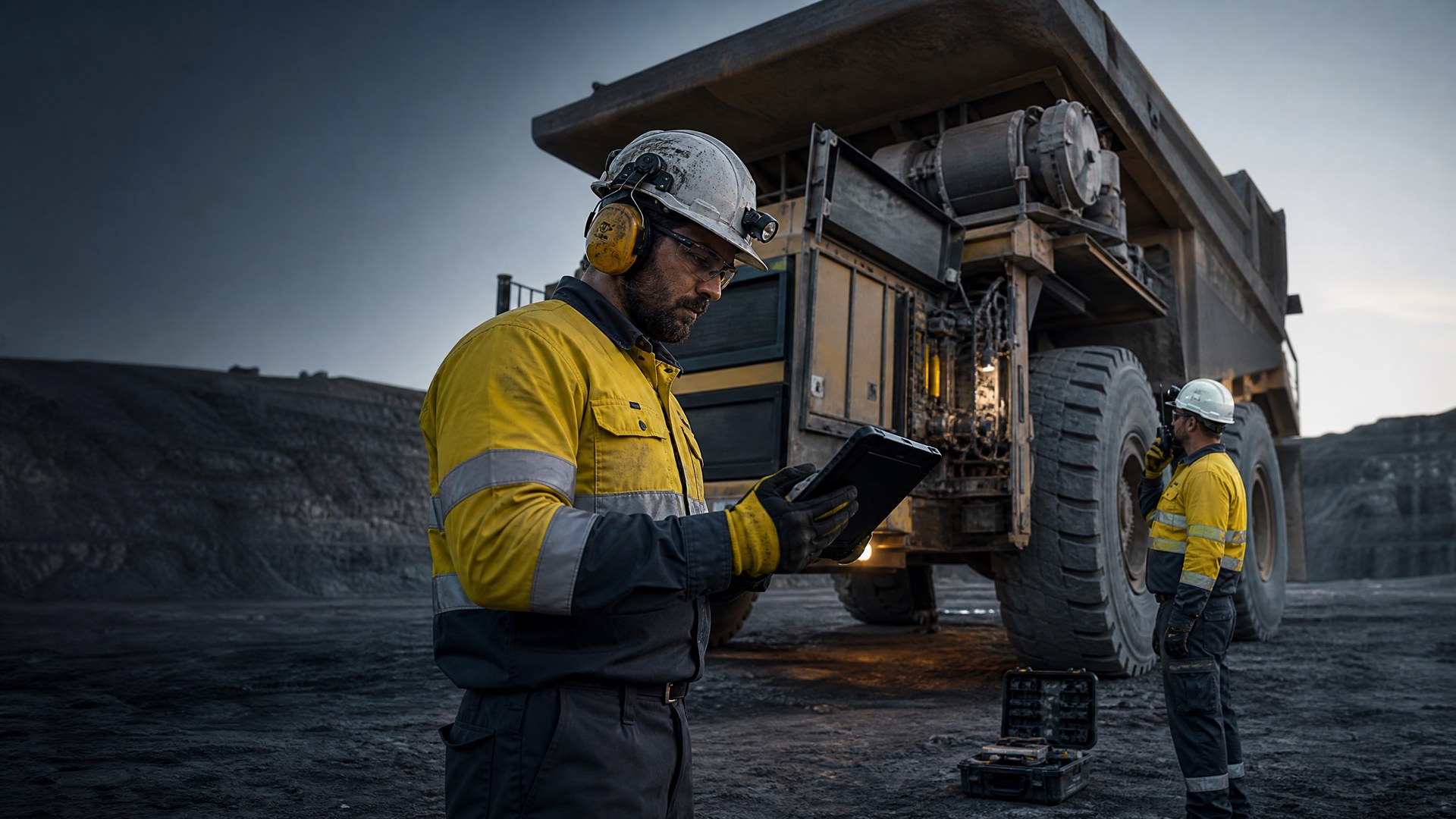
Because while the boardroom is marveling at predictive analytics and the maintenance engineering team is knee-deep in dashboards, the person who actually has to do the job — the fitter, the operator, the tech on the floor — is still wandering around the site trying to find the right procedure.
It’s wild, isn’t it? We’ve got AI that can beat world champions at Go, but John in the workshop still can’t find the torque settings because the manual has wandered off again.
The Frontline Workflow Is Still Broken
Talk to anyone on-site and the story repeats itself:
- “Where’s the latest procedure?”
- “Which folder was that stored in?”
- “Has anyone seen the manual for the ____?”
- “I know the answer is in a document somewhere… give me 20 minutes.”
And that’s on a good day.
The actual consequences?
- Workers lose 20–40 minutes every time they need a single piece of info.
- Coordinators turn into high-paid search engines.
- Jobs get delayed.
- Or worse: people just “do the best they can” and hope for the best — because the work has to get done.
We keep talking about efficiency gains from AI at the enterprise level, but here’s the truth: the biggest productivity black hole is still basic information access for the people doing real work.
Simple Problems First, Please
AI doesn’t have to start with the hardest technical challenges in industry.
Sometimes the smartest move is solving the obvious problem everyone ignores: finding the right information, fast.
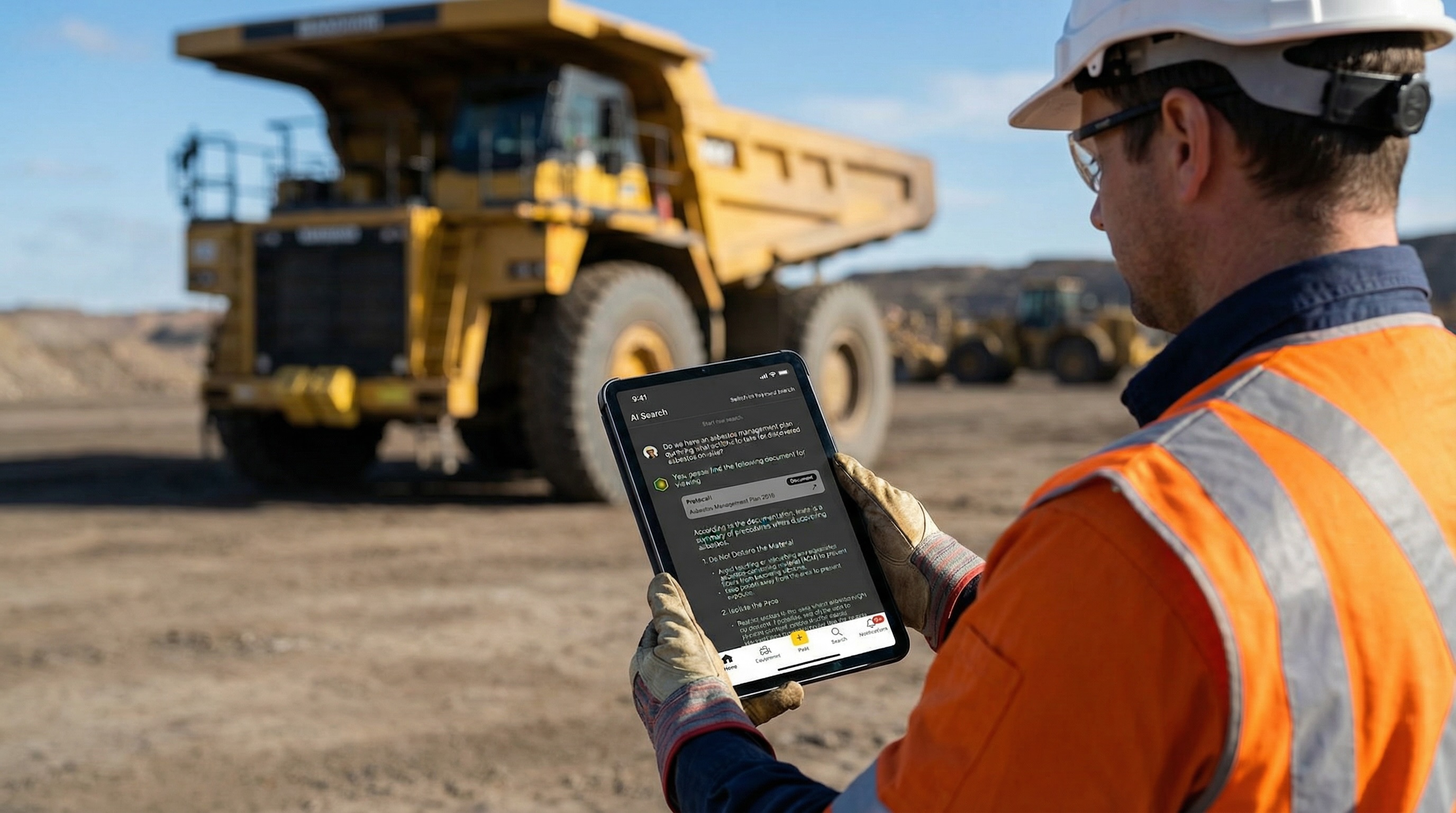
Imagine shaving 15–25 minutes off every frontline query. Imagine that procedure that’s buried in a 132-page PDF showing up instantly. Imagine a worker scanning a QR code and getting the exact step, part number, or diagram they need — no guessing, no searching, no wandering.
That’s not science fiction.
That’s just… logical.
Because here’s the punchline:
There’s no point optimising a machine by 2% if it takes an extra hour to find the damn manual.
This is Exactly Why We Built DocsAI
DocsAI wasn’t built for boardrooms. It wasn’t built for data scientists.
It was built for the person holding the spanner.
The idea is simple:
Every document. Every procedure. Every manual. Instantly findable and instantly answerable — right where the work happens.
No more:
- digging through folders
- searching ancient intranets
- relying on “who remembers where that thing is”
- waiting for coordinators to rescue you
Just ask a question and get the answer — clearly, correctly, immediately.
This is the kind of AI that actually changes a shift, a day, and eventually, an entire operation.
The Future Isn’t More Complex AI. It’s More Useful AI.
AI should help the people who turn wrenches, operate machinery, and keep sites running safely.
Not just the people who sit at desks.
The flashy stuff gets headlines, but the simple stuff moves the needle.
If you want a taste of how AI can make frontline work faster, safer, and far less frustrating, you can try DocsAI free for 7 days.
No hoops, no sales pitch, just see it work — and maybe show your manager what’s possible.